
Level 1 sweep and inspection to the NFPA 211 annual standard - flue, crown, cap, and flashing checked and photographed
Chimney sweep logs do not sweep chimneys. They loosen some creosote - which then falls where a brush and vacuum still have to collect it.
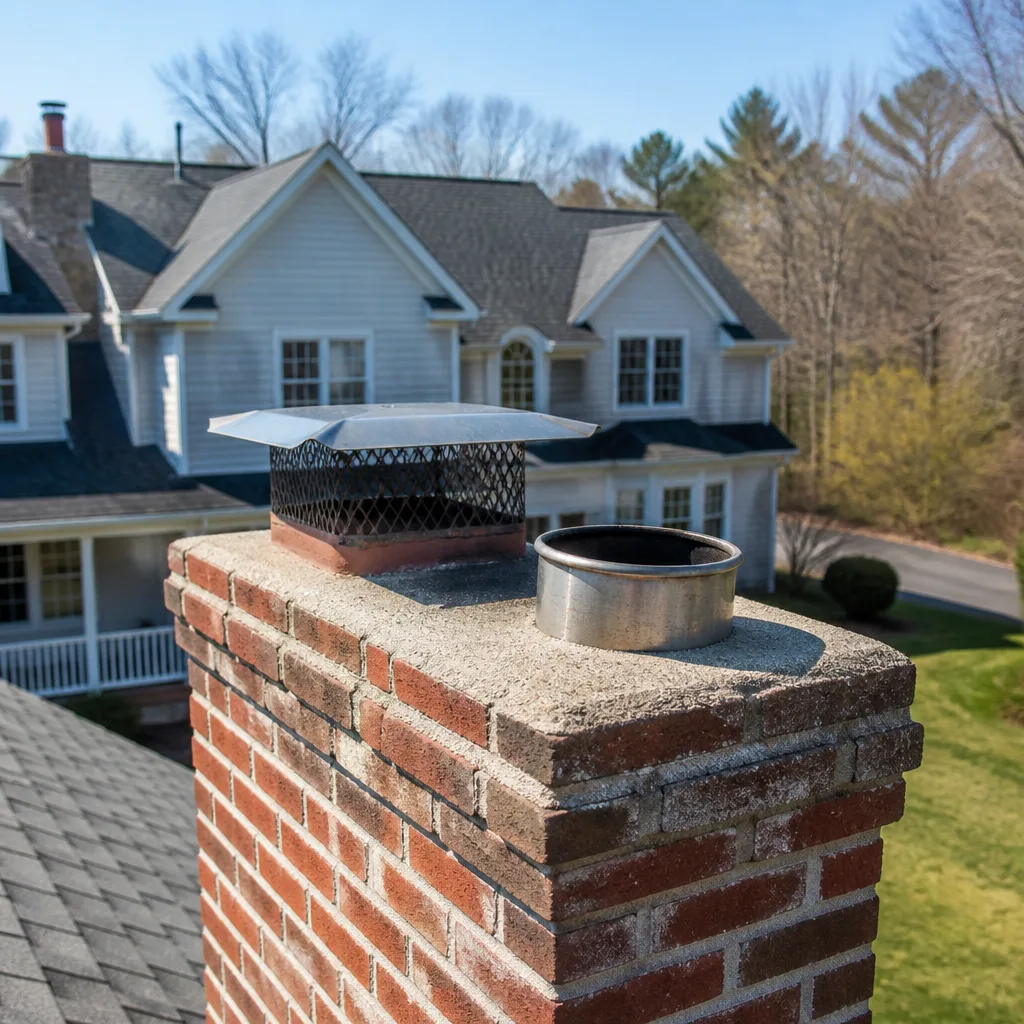
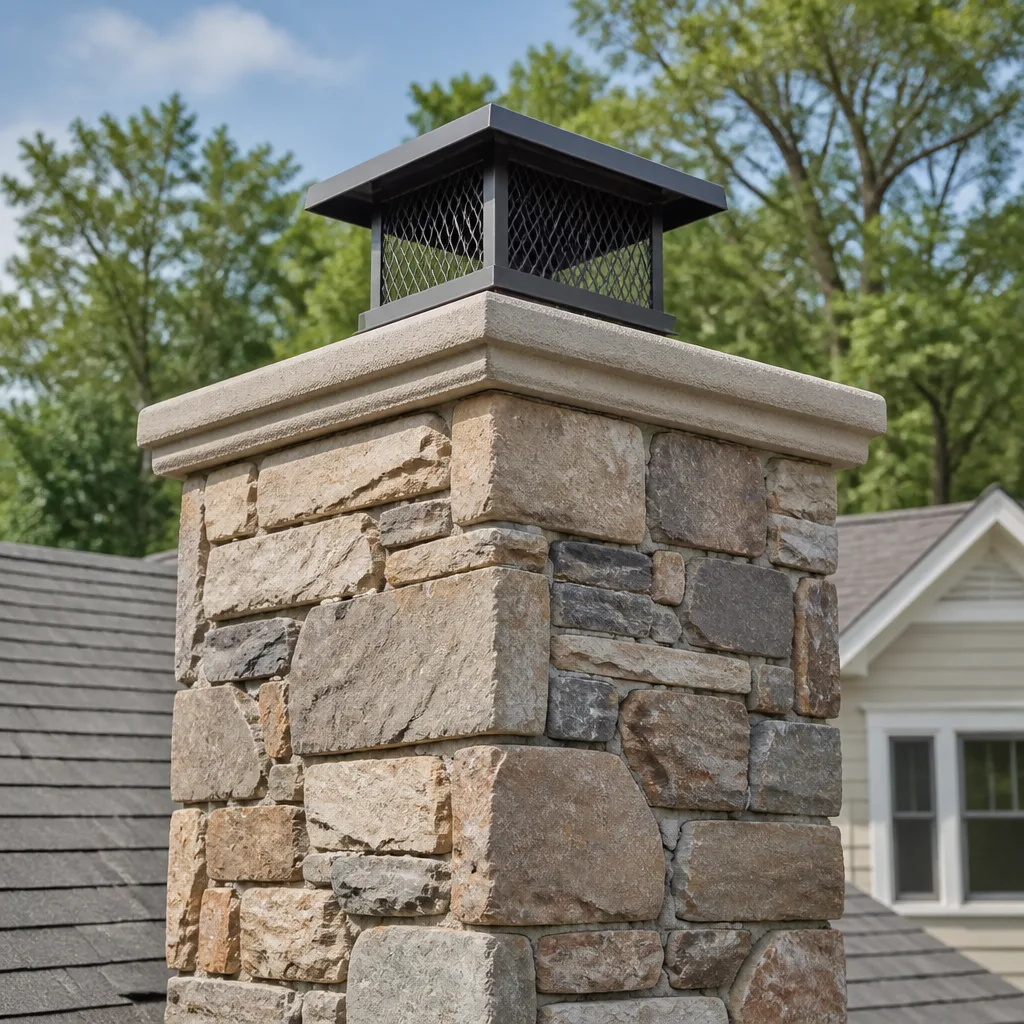
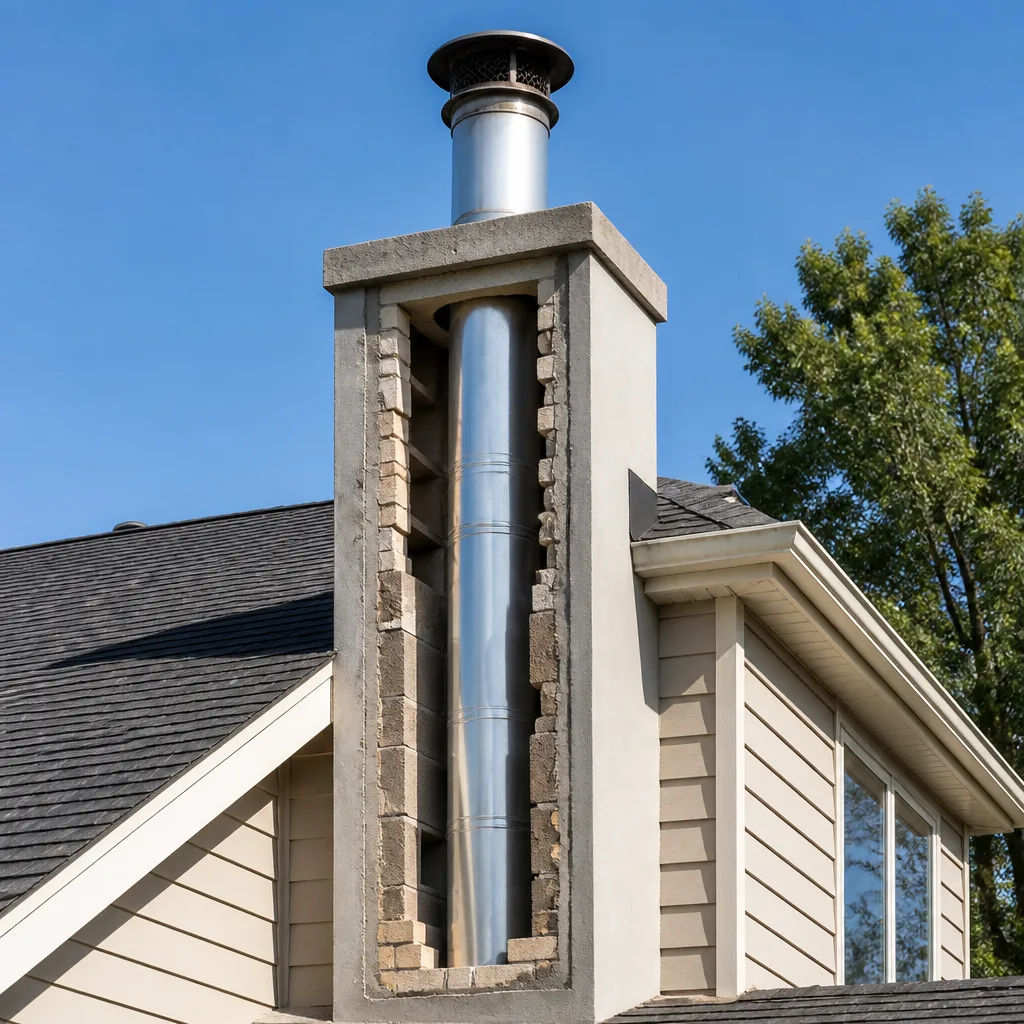
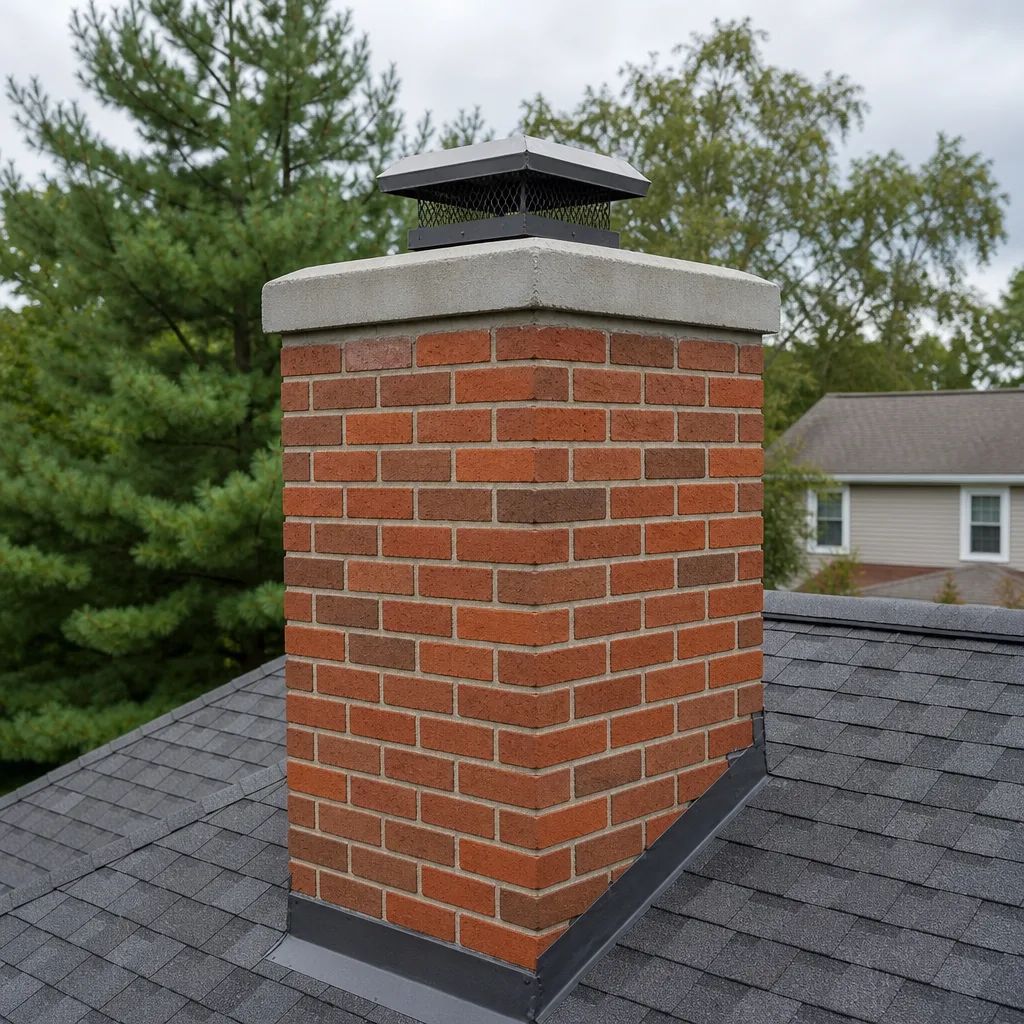
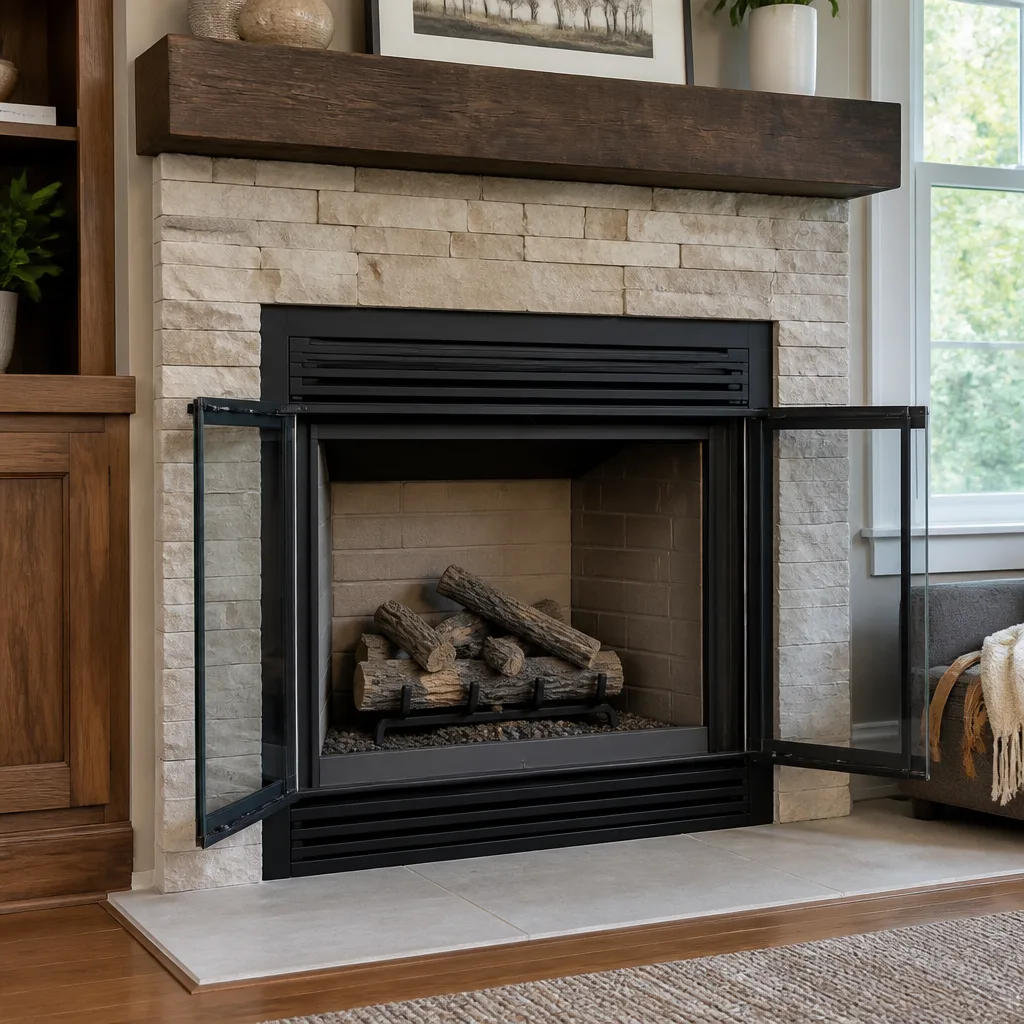
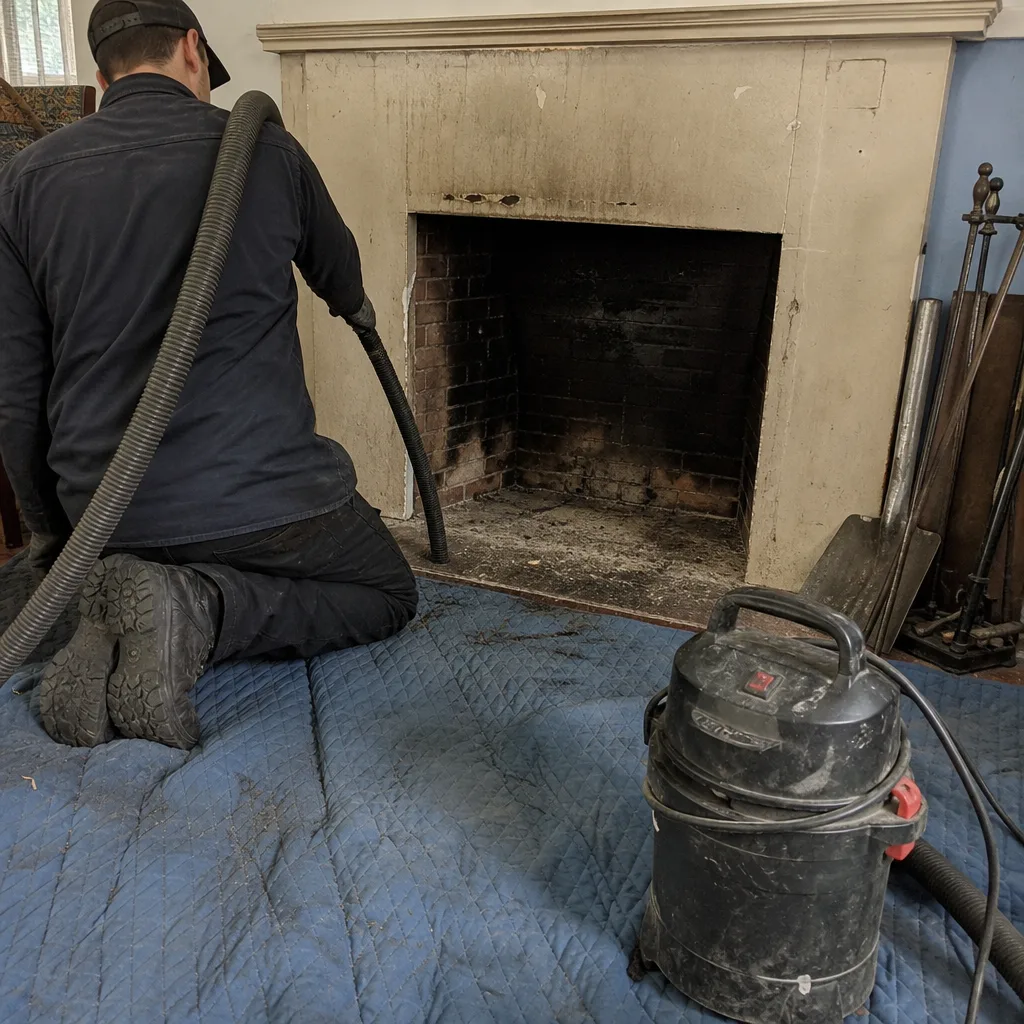 Before
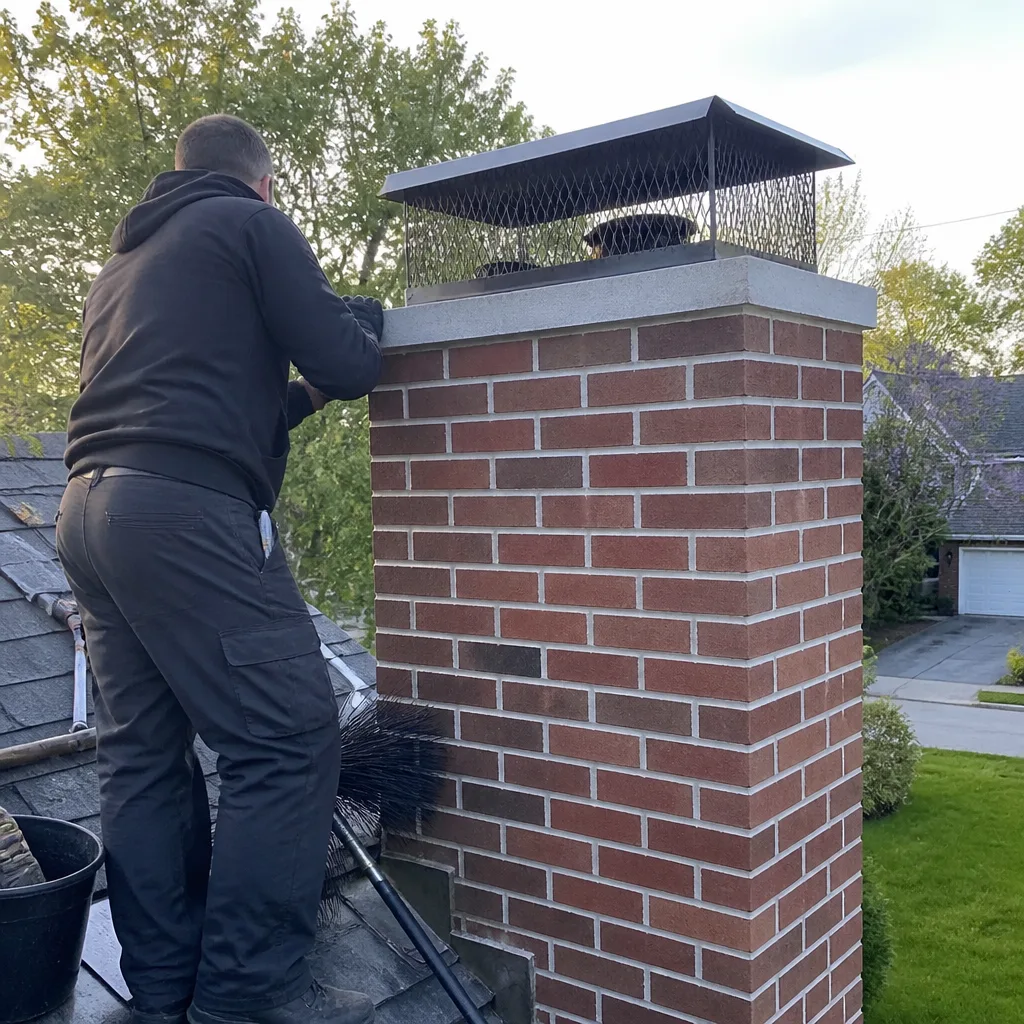 After
After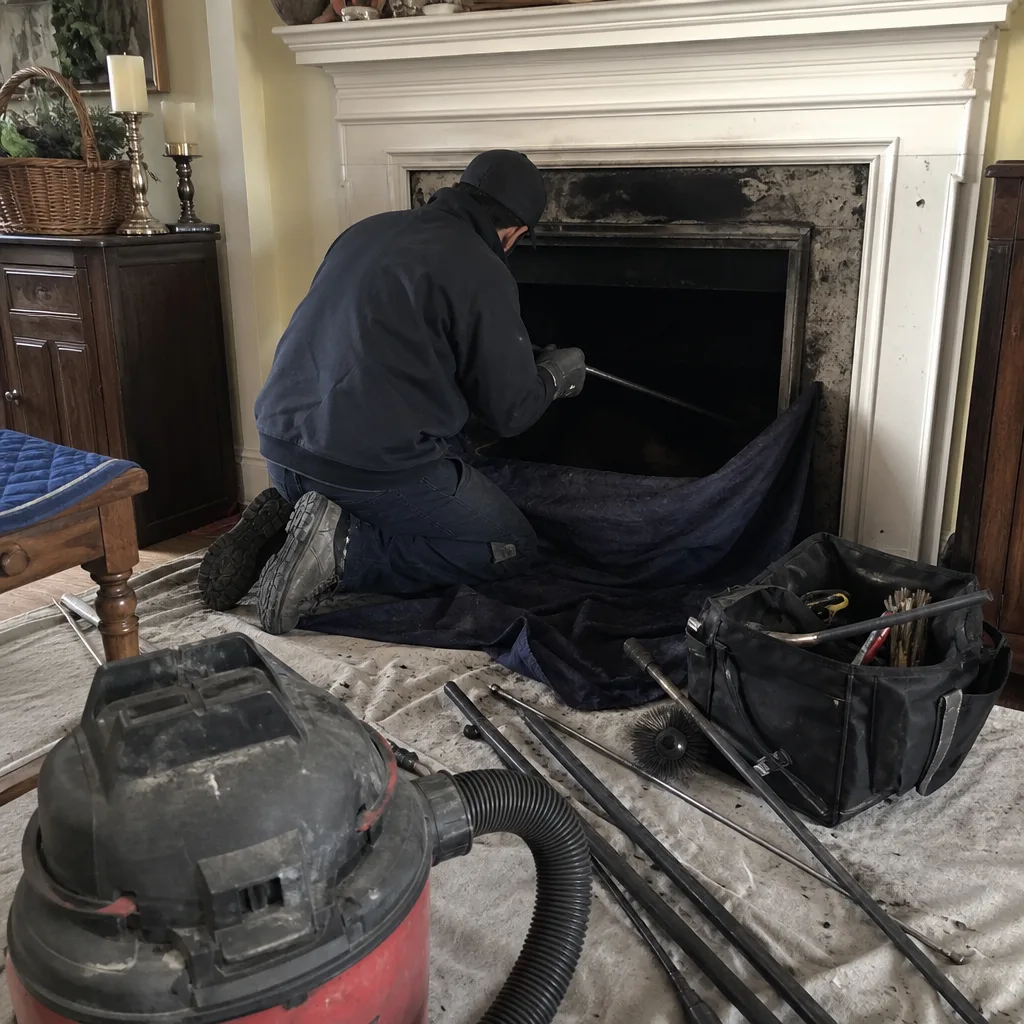 Before
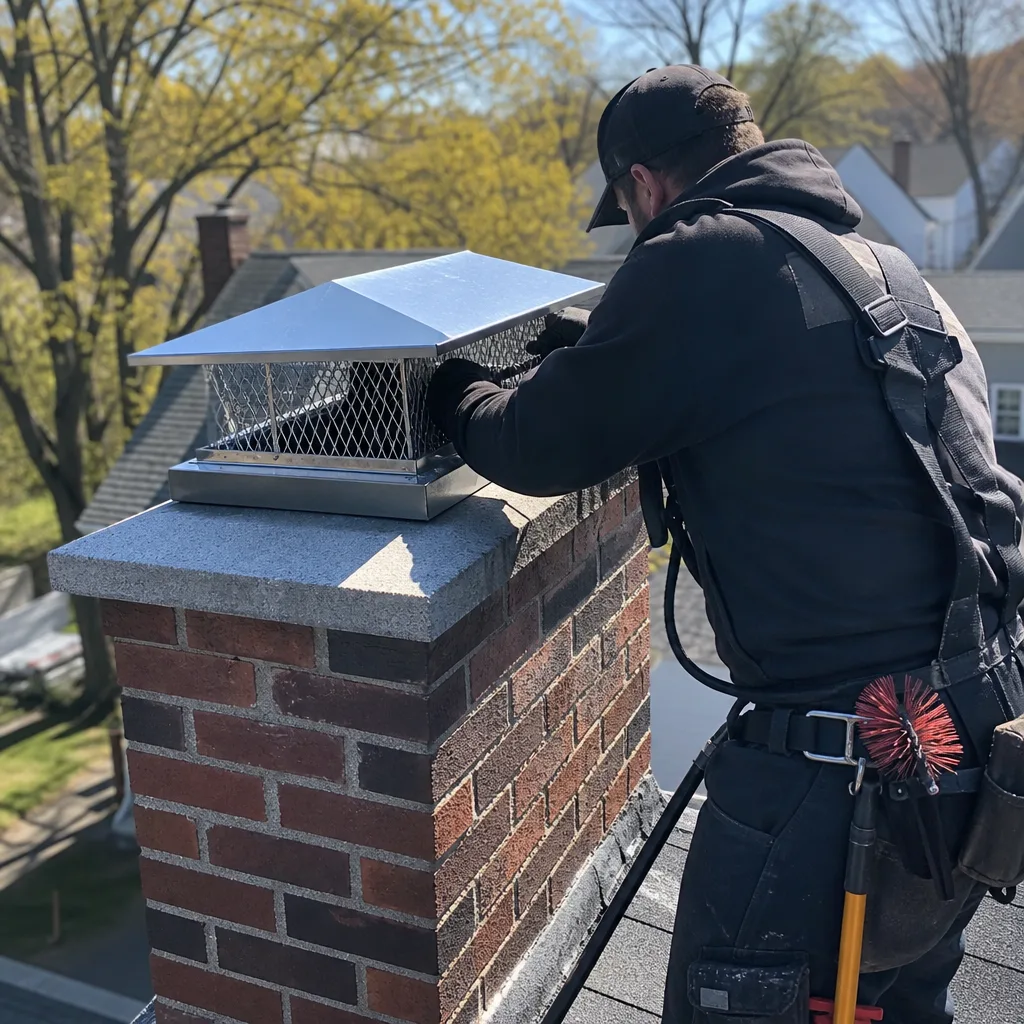 After
After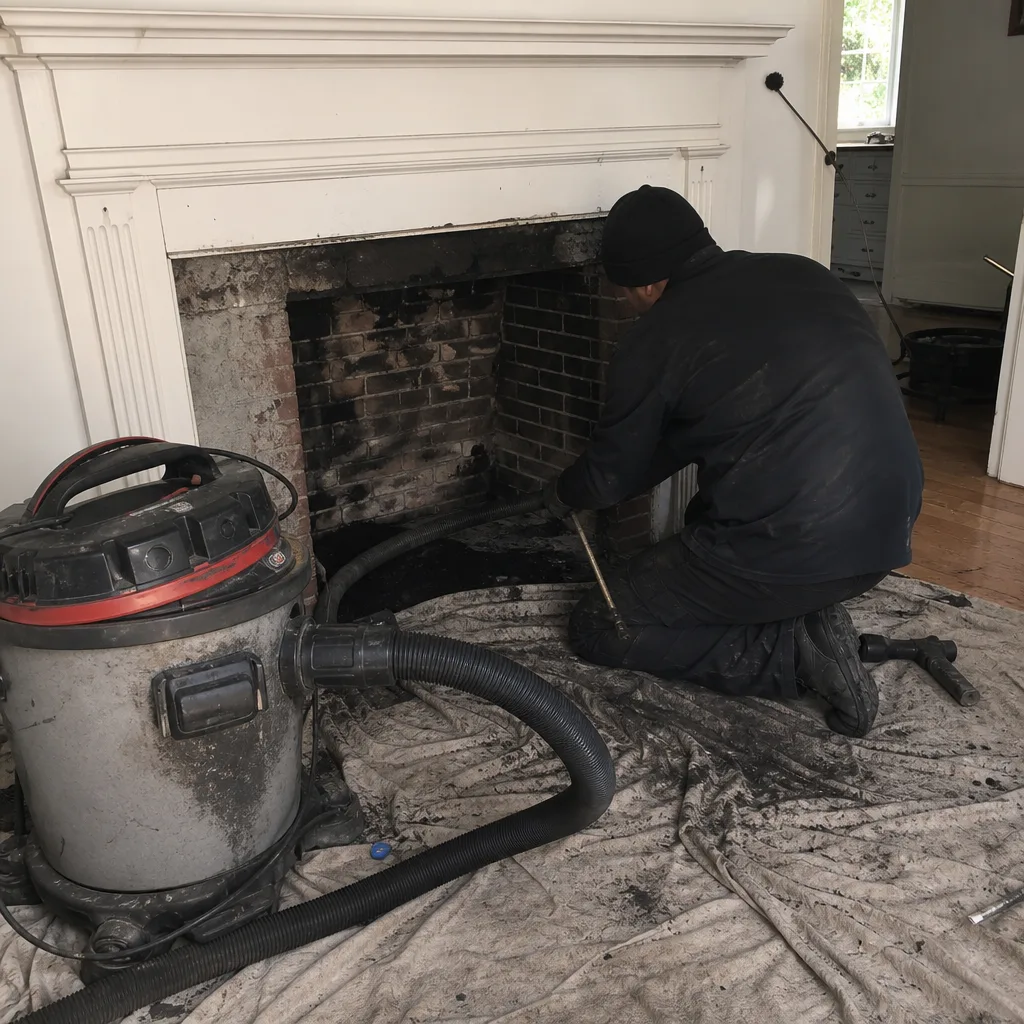 Before
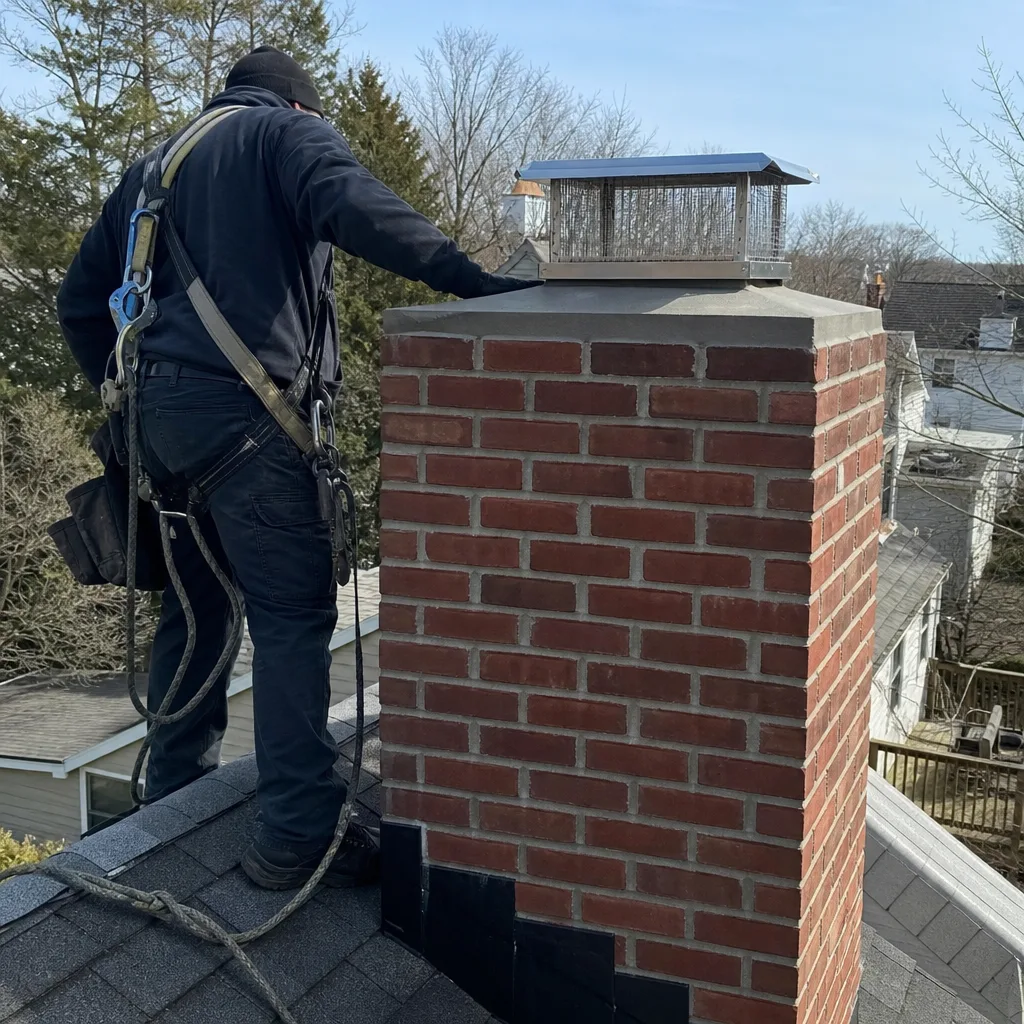 After
AfterDuraFlex Flue Liner Replacement: The Cambridge Owner’s Guide
We stock and install DuraFlex-compatible flue liner replacement in Cambridge, with most jobs running $1,800 to $3,400 installed depending on chimney height and diameter. DuraFlex’s 316Ti stainless and AL29-4C alloy liners are built for condensing appliances, but after 15 to 25 years of New England freeze-thaw cycles, the corrugated walls can crack at the flex points or corrode from acidic condensate. Cambridge owners usually discover the problem during a Level-2 inspection before a home sale, or when they notice water staining on the masonry, a sulfur smell in the firebox, or their high-efficiency furnace or gas appliance shutting down on safety lockout.
Which DuraFlex Models This Applies To
DuraFlex manufactures several liner families, and matching the right replacement matters. The DuraFlex SW (smooth wall) 316Ti series is the most common in Cambridge’s pre-war and mid-century housing stock, typically found in 3-inch to 8-inch diameters. The DuraFlex Pro, with its heavier 316Ti construction and tighter corrugation pattern, handles higher BTU appliances and is often spec’d for condensing boilers in the larger Victorians around Harvard Square and Porter Square.
To identify your liner, check the top termination for an embossed DuraFlex label with the series name and diameter. If the label is weathered, measure the inner diameter at the thimble or cleanout, not the outer corrugation. The wall thickness matters too: SW liners run .006 to .007 inch, while Pro runs .010 inch or heavier. Installing the wrong gauge voids appliance warranties and creates a drafting mismatch.
We carry both OEM DuraFlex and compatible aftermarket from Olympia Chimney and Copperfield. For most Cambridge replacements, we recommend staying with DuraFlex OEM at the flex points and transitions, where the corrugation geometry is proprietary, and using quality aftermarket for straight vertical runs where the spec is standard. Russell Haines makes the call on each job after camera inspection, not before.
Signs Your DuraFlex Flue Liner Replacement Is Failing
- White or green powder on the liner walls. This is acidic condensate eating the stainless alloy. DuraFlex 316Ti resists chlorides well, but sustained exposure to condensate below the dew point will pit the metal. We see this most in Cambridge homes where the liner was sized too large for the appliance, slowing draft and keeping walls wet.
- Corrugated sections that have flattened or lost their spring. The flex geometry is what lets DuraFlex navigate offsets in old chimneys. Once the corrugations collapse, the liner can sag into a belly that traps condensate and accelerates corrosion. This happens faster in taller chimneys, like the four-story stacks common near Central Square.
- Water stains on the basement cleanout or hearth. A compromised liner joint or cracked flex section lets exhaust gases condense inside the chimney instead of exiting the top. The moisture carries acids that stain masonry and, in winter, can freeze and expand inside the brick.
- Sulfur or rotten-egg odor when the appliance runs. This means flue gases are leaking through liner breaches into the chimney cavity. With natural gas or propane appliances, this also raises carbon monoxide risk in wall voids or adjacent rooms. Not a smell to troubleshoot slowly.
- Appliance shutdown on pressure switch or spillage fault. Modern furnaces and boilers monitor their own venting. A liner with internal blockage from collapsed corrugations or debris accumulation will trip safety controls. The appliance protects itself, but the underlying liner failure still needs addressing.
Replacement Cost & What’s Included
| Component | Typical Range (Cambridge) |
|---|---|
| DuraFlex liner material (per linear foot) | $28 - $55 |
| Top termination plate and storm collar | $180 - $340 |
| Bottom adapter / thimble connection | $120 - $220 |
| Labor: removal, installation, insulation wrap | $900 - $1,800 |
| Level-2 camera inspection and photo report | Included |
| Total installed replacement | $1,800 - $3,400 |
What drives the range: chimney height (a three-story Cambridge Victorian vs. a two-story ranch in North Cambridge), diameter (5-inch and 6-inch are standard; 4-inch and 7-inch are special-order), and whether the existing liner can be extracted intact or has to be demolished in place. Insulation wrap is required by Massachusetts code for solid-fuel liners and recommended for gas appliances in exterior chimneys, which describes half the housing stock in Cambridge.
Every replacement includes our Level-2 camera inspection with photos you can see and a plain-English verdict. The 90-Day Done Right Promise covers the installation in writing, no arguing. If it needs doing, we will tell you. If it does not, we will tell you that too.
DIY or Call Us?
There is no safe DIY path for flue liner replacement. This is not a judgment on your skills; it is physics. The old liner must be extracted from a confined masonry flue, often past sharp brick ledges and offset throats, without damaging the chimney structure. The new liner arrives coiled and must be fed down without kinking the corrugations, then connected to a listed termination assembly at proper height above the roofline. In Cambridge, that means working on slate or asphalt shingles at height, often with limited ridge access on tightly spaced lots.
What you can safely check: look at your cleanout door for debris or staining, note any odors when the appliance runs, and verify your carbon monoxide detectors are current. What you should not do: attempt to snake, brush, or remove a damaged liner yourself. A collapsed section can lodge in the flue and turn a straightforward replacement into a rebuild.
We are an independent service provider, not affiliated with DuraFlex. We carry replacement inventory on our trucks for the common diameters and can measure and order same-day for specials. Call (857) 392-4709 to schedule.
FAQs
A properly sized and installed DuraFlex 316Ti liner lasts 15 to 25 years in Cambridge’s climate, with AL29-4C alloy extending toward the upper end for condensing gas appliances. The freeze-thaw cycle and acidic condensate from high-efficiency equipment are the main wear factors. Annual inspection catches degradation before it becomes a safety issue. Call (857) 392-4709 to schedule yours.
Localized damage at the top termination or a single joint can sometimes be repaired with a DuraFlex-compatible section and proper connection methods. Cracks or corrosion in the flex body itself require full replacement, per manufacturer listing and Massachusetts fire code. We document the condition with camera photos and tell you which path applies. Call (857) 392-4709 for a free second opinion on any written estimate.
Most DuraFlex flue liner replacements in Cambridge are completed in a single day, assuming standard diameter and no extraction complications. Taller chimneys, special-order diameters, or liners that have to be demolished in place may extend to a second day. We give you a firm timeframe during the estimate, not a range that shifts later.
We stock the most common DuraFlex diameters, 5-inch through 8-inch, along with termination plates, storm collars, and thimble adapters on every service truck. Less common sizes and AL29-4C alloy for condensing applications are available same-day from our regional supplier. We do not start the job until the correct material is on site. Call (857) 392-4709 to confirm availability for your specific model.
Written by Russell Haines, Owner, Hearthstone Chimney Co. at Hearthstone Chimney Co., serving Cambridge and nearby areas.