
Last updated September 10, 2026
Level 1 sweep and inspection to the NFPA 211 annual standard - flue, crown, cap, and flashing checked and photographed
Chimney sweep logs do not sweep chimneys. They loosen some creosote - which then falls where a brush and vacuum still have to collect it.
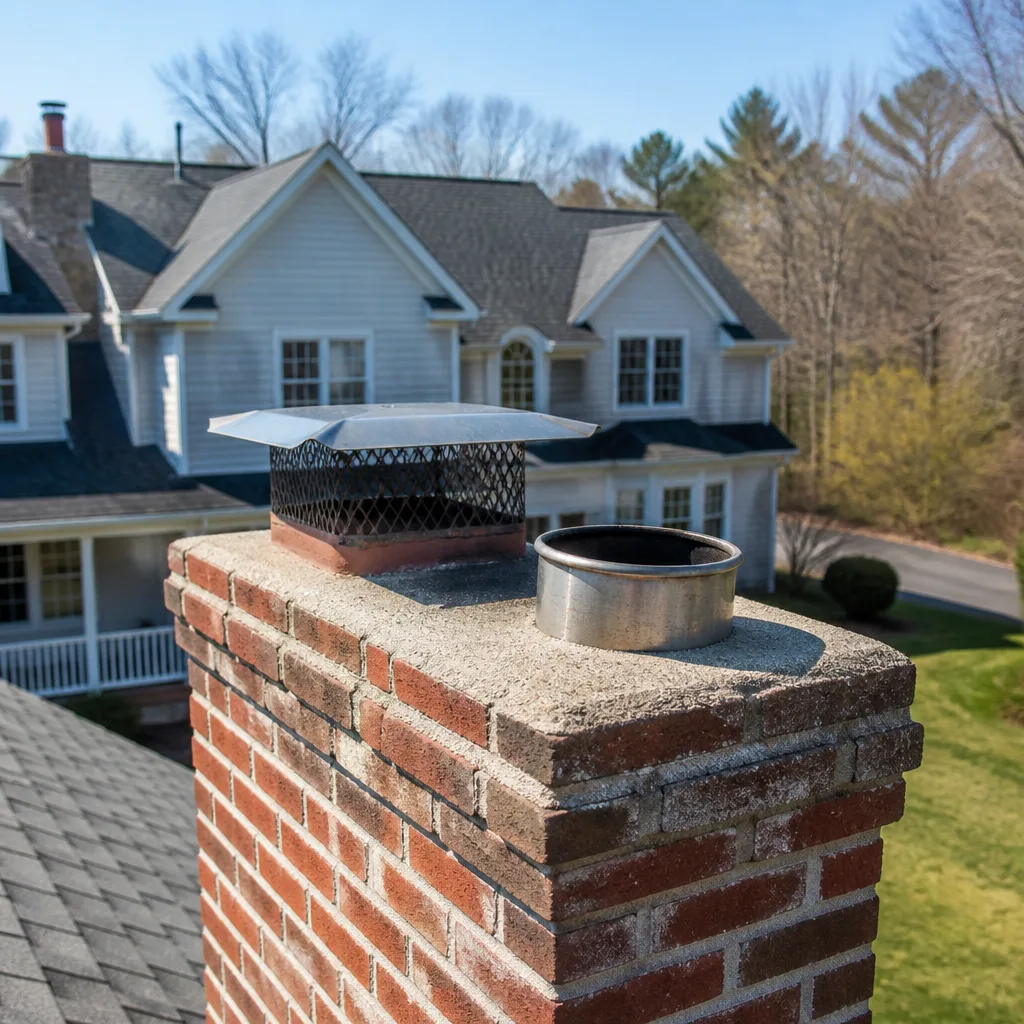
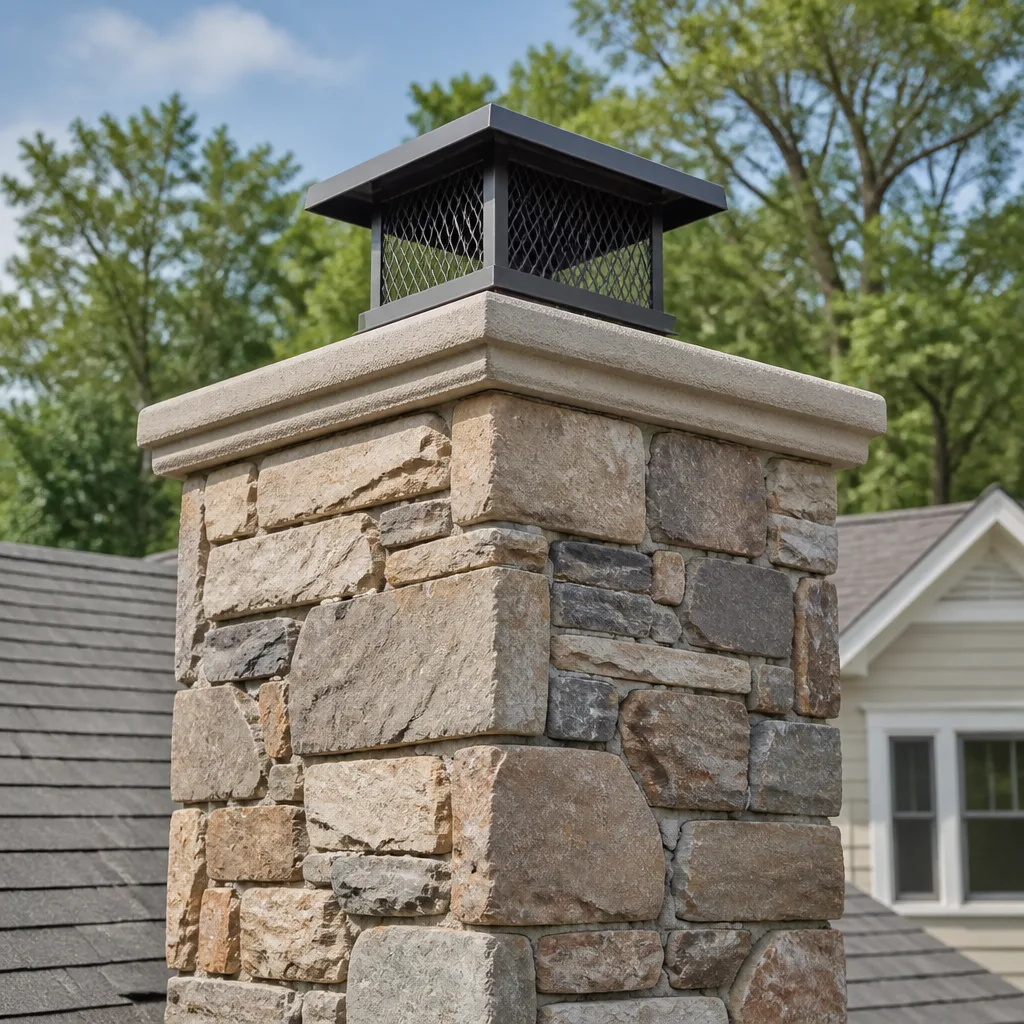
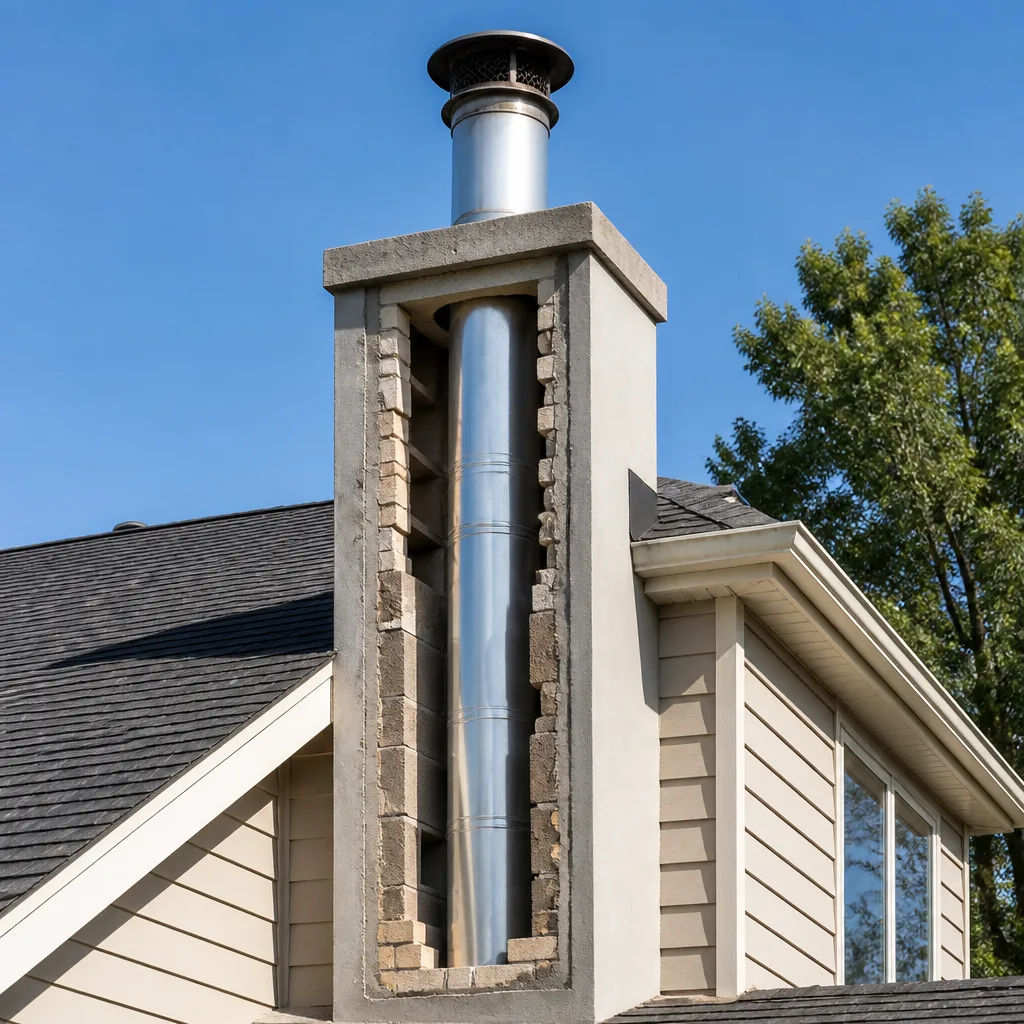
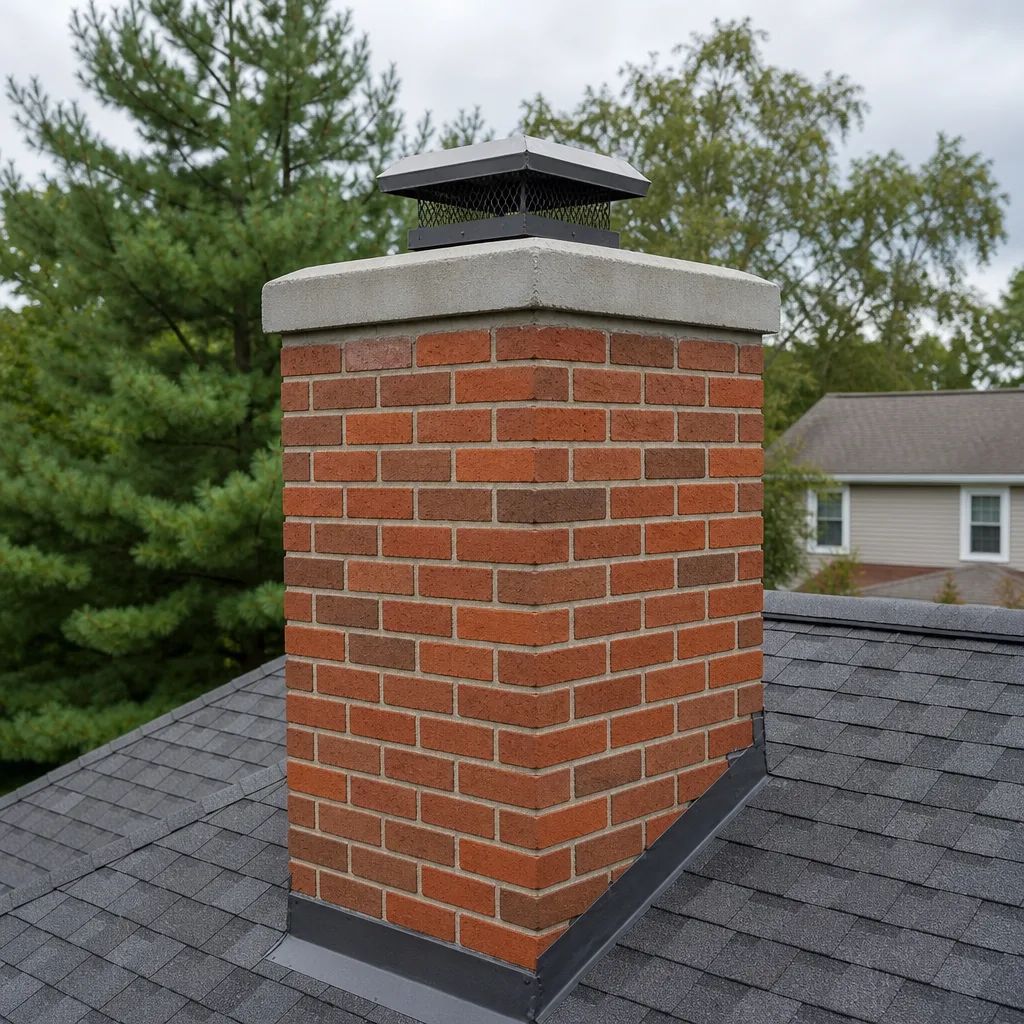
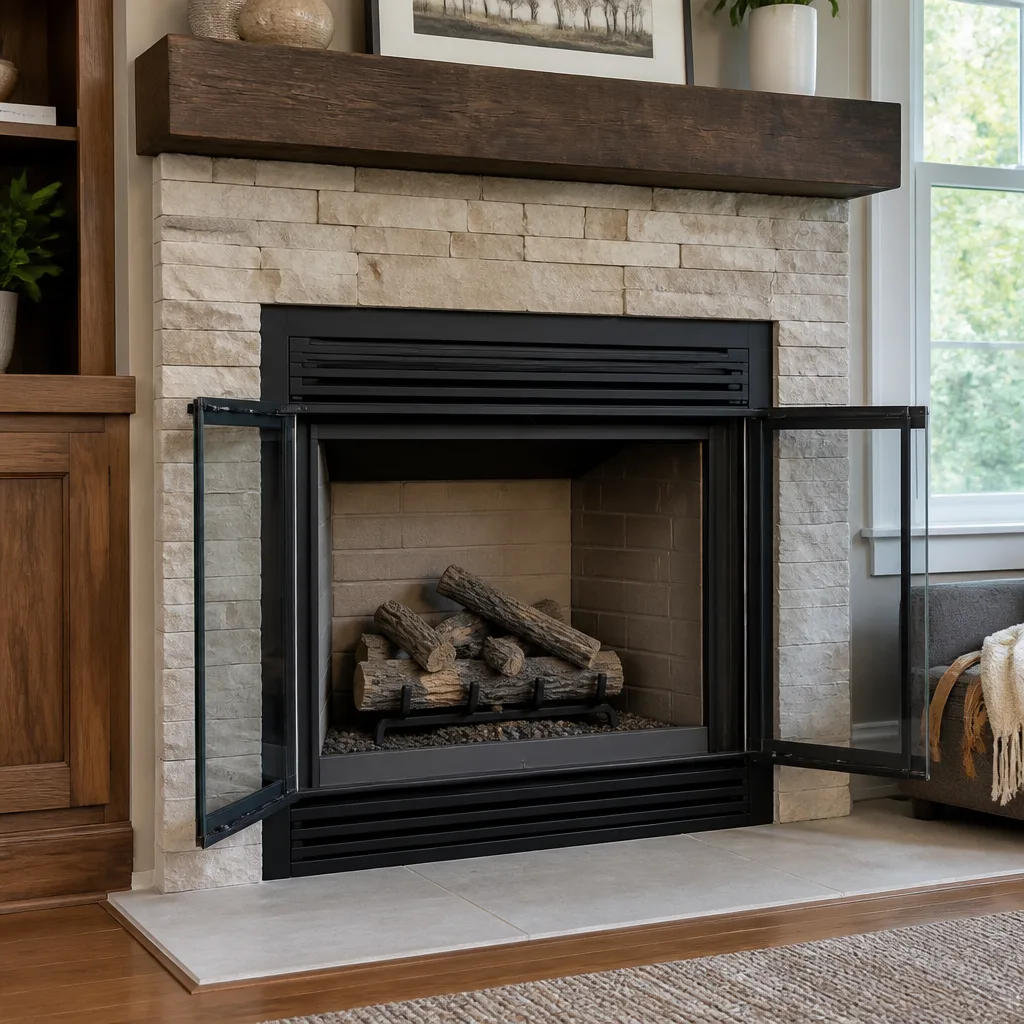
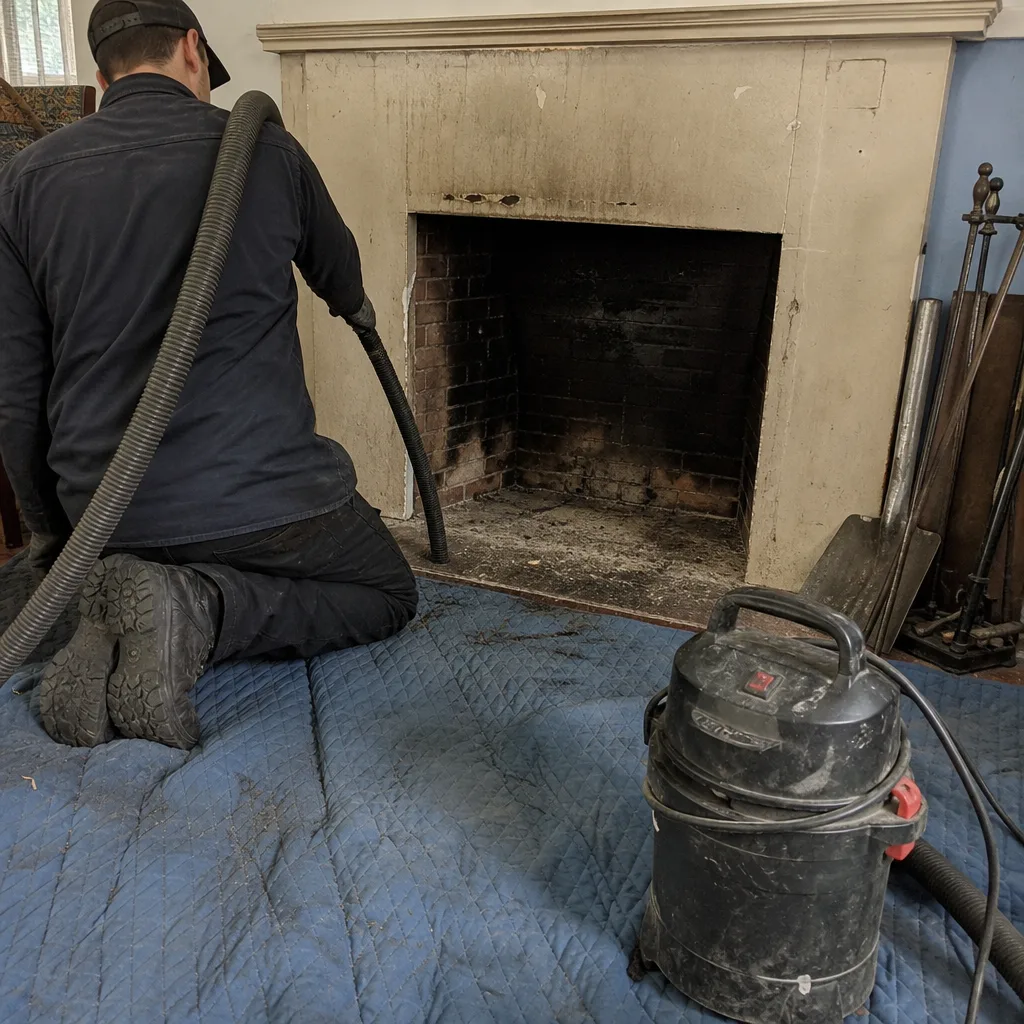 Before
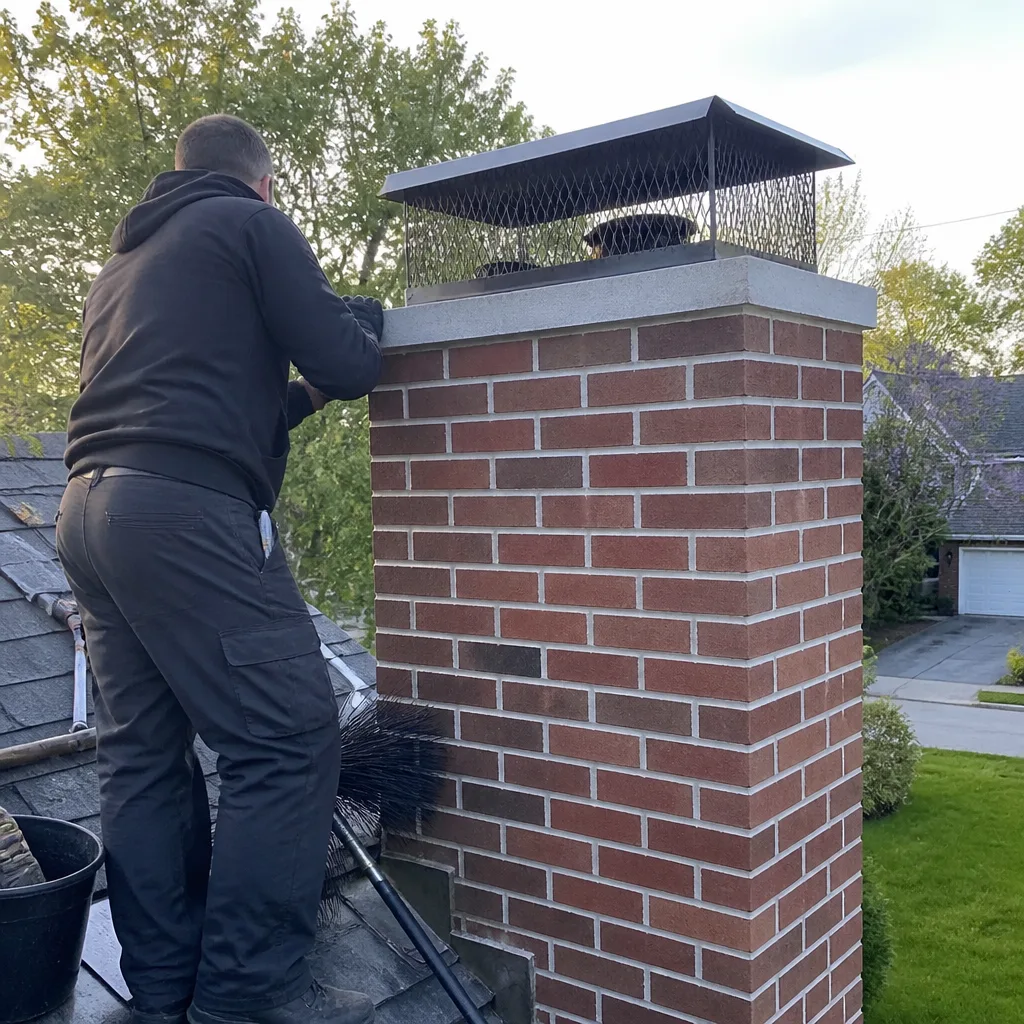 After
After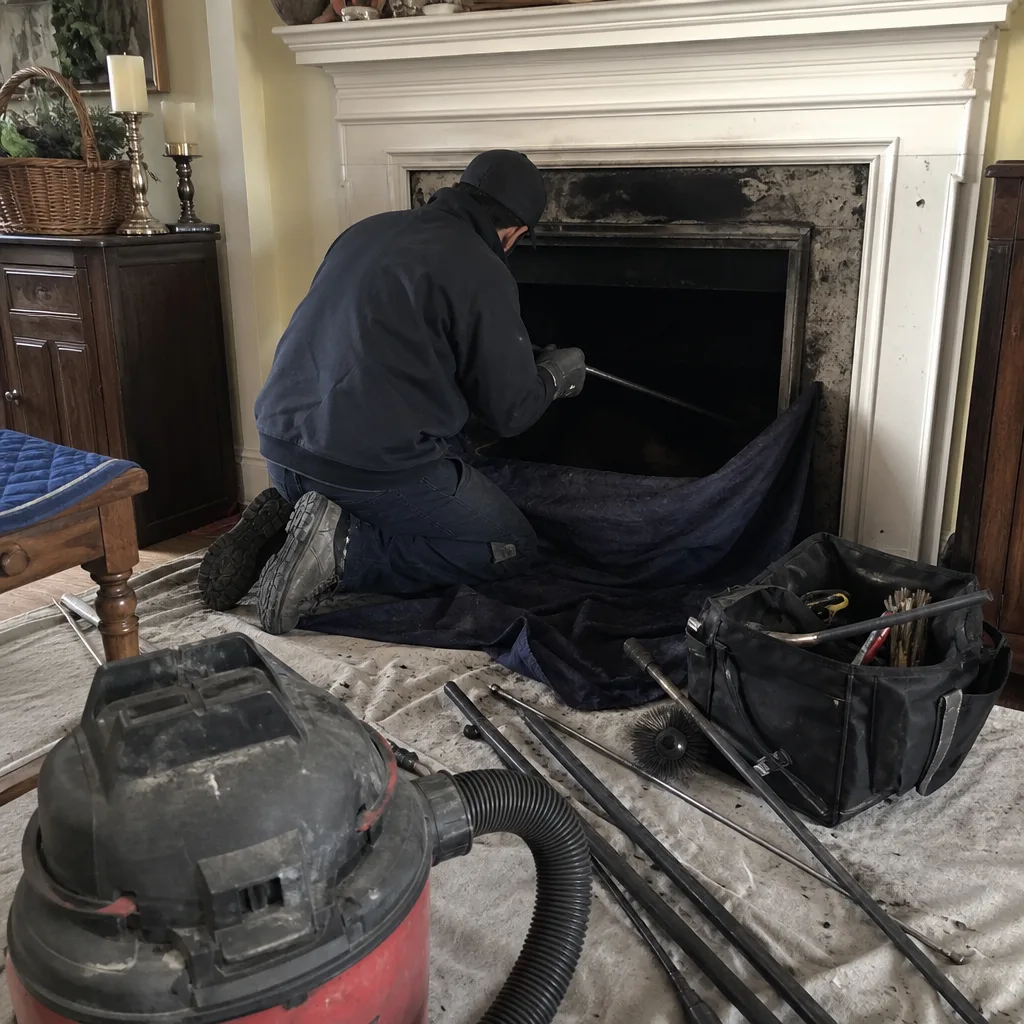 Before
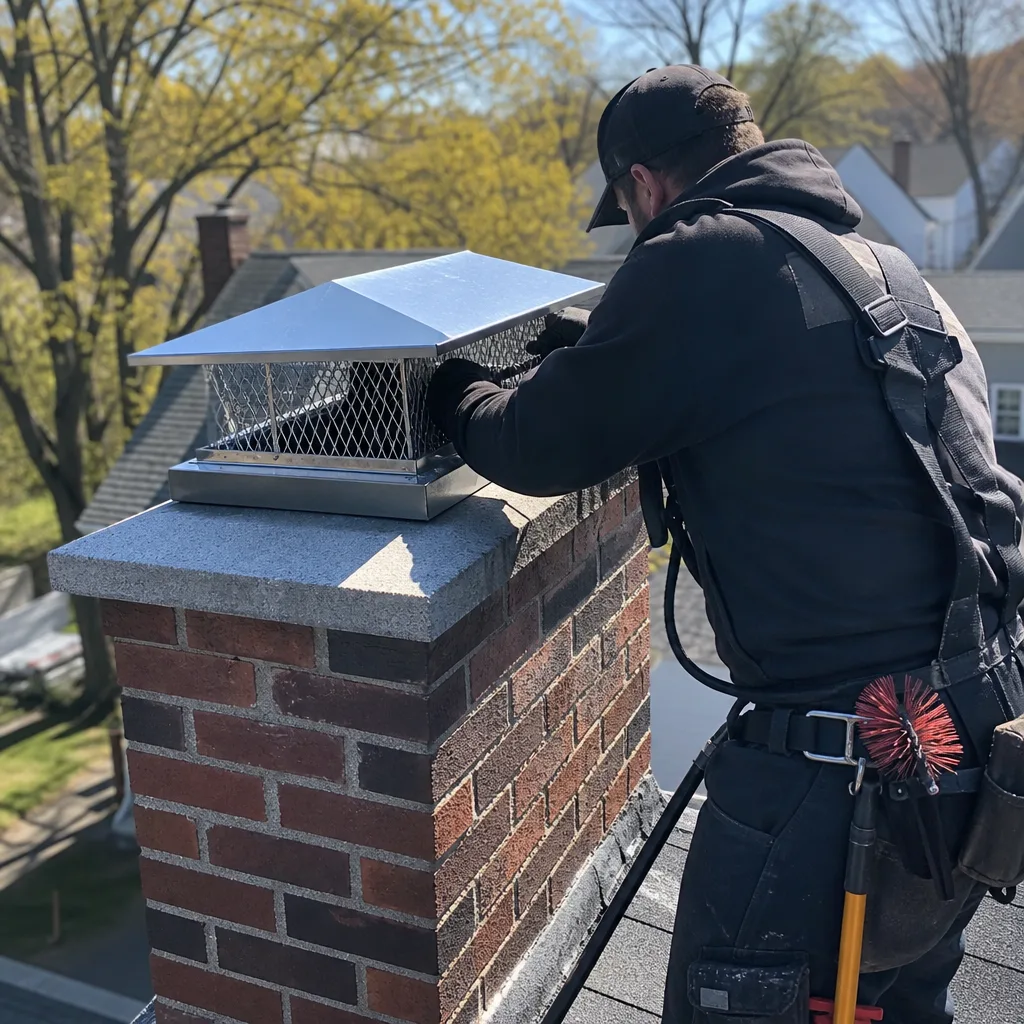 After
After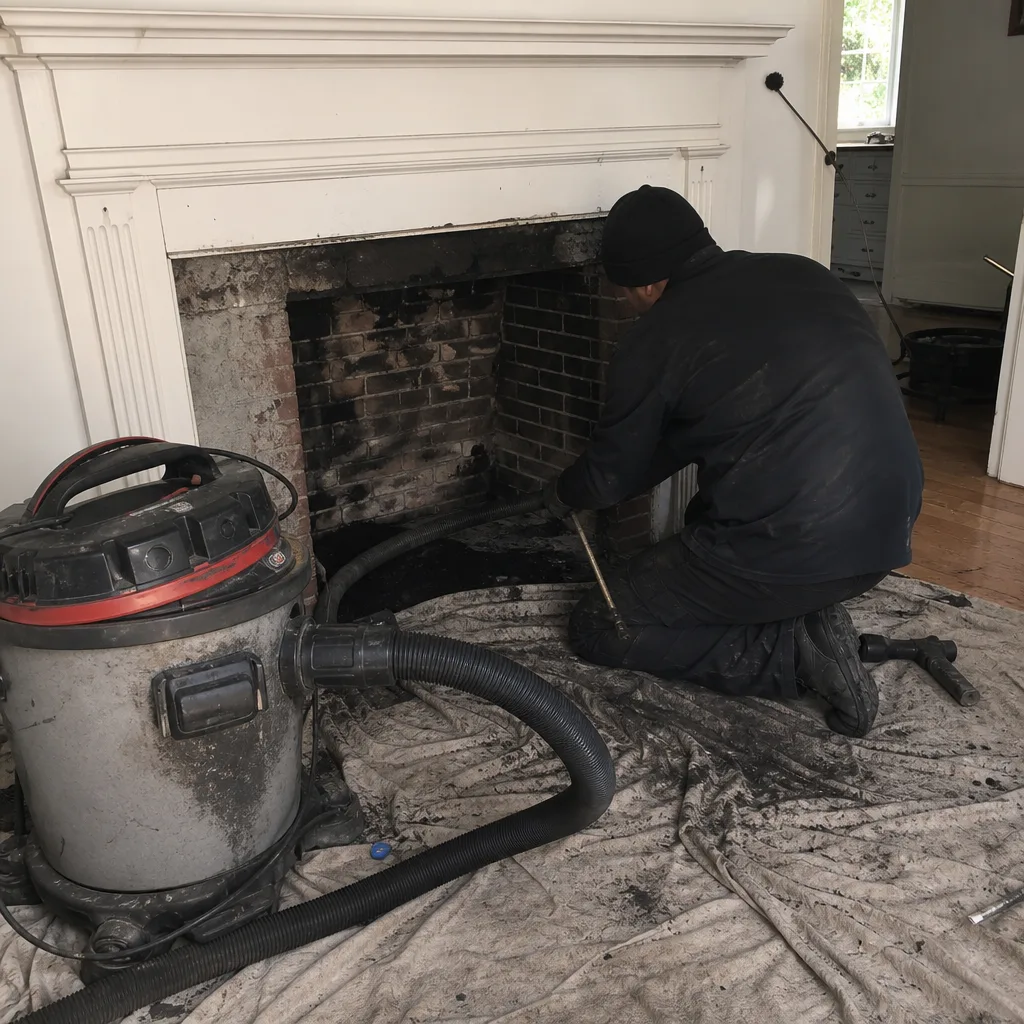 Before
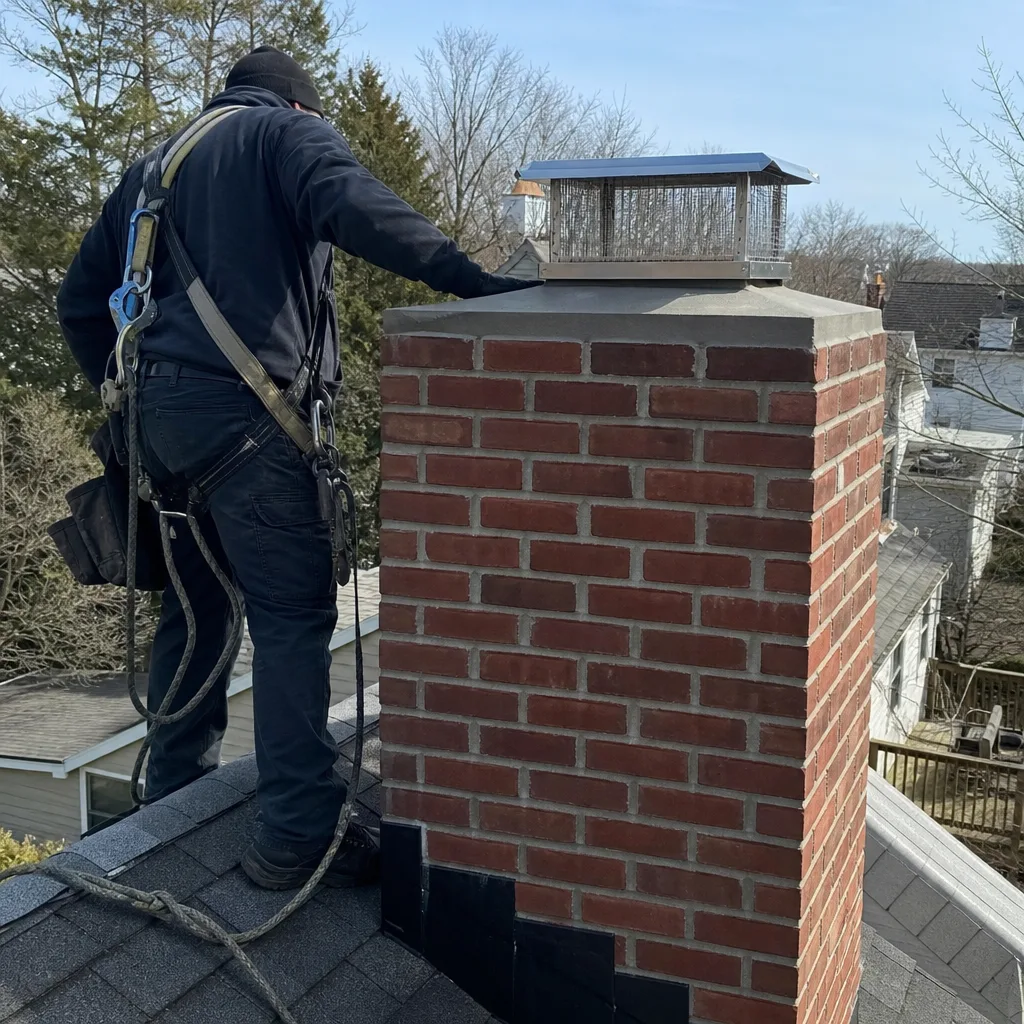 After
AfterChimney Cleaning Warning Signs: A Cambridge Homeowner’s Reference Guide
That campfire smell drifting from your fireplace in July - when it hasn’t been lit since March - isn’t a quirk of old Cambridge houses. It’s a specific diagnostic signal: your smoke shelf has debris accumulation, and the flue is drawing exterior air backward through the firebox. In our 42 years of sweeping chimneys across Cambridge, from the triple-deckers in Inman Square to the converted Victorians in Porter Square, we’ve learned that most chimney problems don’t announce themselves as emergencies. They arrive as small annoyances. A sticky damper. A faint sulfur odor on humid days. A white powder creeping across the back of the firebox. Homeowners file these away and forget them, until the annoyances compound into something far more serious. This guide names each warning sign plainly, explains what it indicates, and tells you how urgent it is - or see The Complete Guide to Chimney Cleaning in Cambridge for more detail on the process itself.
Quick Answer
The most common chimney warning signs Cambridge homeowners should watch for are: persistent odors (campfire smell, sulfur, or animal), visible staining or white efflorescence in the firebox, a damper that sticks or rattles, smoke failing to draft properly, and unexplained cold drafts or humidity near the fireplace. These symptoms indicate creosote buildup, moisture intrusion, structural deterioration, or flue obstruction - all conditions that worsen with use and can lead to chimney fires or carbon monoxide exposure. A Level-2 camera inspection confirms the diagnosis and documents what needs attention.
Table of Contents
- The Odor Index: What Your Chimney Smell Is Telling You
- Visual Signals at the Firebox: Staining Patterns Non-Experts Can Read
- Damper Failures: Sticking Versus Rattling, and What Each Costs
- Smoke and Draft Problems: When the Physics Go Wrong
- Carbon Monoxide Warning Signs in Cambridge’s Tighter Homes
- How to Triage: Stop Tonight Versus Schedule Before Next Season
- Common Mistakes to Avoid
- When to Call a Professional
- Frequently Asked Questions
The Odor Index: What Your Chimney Smell Is Telling You
Smell is the most reliable early warning system your chimney has, and Cambridge’s climate makes odor signals especially pronounced. Our freeze-thaw cycles, humid summers, and the tight construction of post-weatherization homes create conditions where smells concentrate rather than dissipate.
Campfire smell in warm weather. This is the signature odor of creosote and soot accumulation on the smoke shelf - the horizontal surface behind the damper where debris settles. When exterior air warms in summer, pressure differentials reverse: instead of rising up the flue, warm air sinks down, carrying the accumulated odor into your living space. In Cambridge’s densely packed neighborhoods, where houses sit close together and wind patterns channel between buildings, this backdrafting is common. The smell means your smoke shelf needs cleaning, and the flue may have significant creosote deposits.
Sulfur or rotten-egg odor. This indicates moisture mixing with creosote to form acids, or in some cases, a gas leak that requires immediate attention. In Cambridge’s older masonry chimneys, particularly those serving original coal-converted fireplaces in neighborhoods like Mid-Cambridge and the Area 4 Historic District, sulfur smells often point to deteriorating mortar joints where water has penetrated the flue liner. The acids accelerate liner deterioration. If you smell sulfur, do not use the fireplace until inspected.
Animal or nesting smell. Squirrels, raccoons, and chimney swifts find Cambridge’s mature tree canopy and abundant brick chimneys ideal habitat. A musty, ammonia-like smell suggests active or recent nesting. Chimney swifts are federally protected; their removal requires timing and expertise. A dry, dusty animal smell may indicate a deceased animal, which creates both odor and obstruction hazards.
Musty or mildew odor. This signals water intrusion, often through a cracked crown, deteriorated flashing, or missing cap. Cambridge’s driving rains from the northeast, combined with freeze-thaw damage to mortar, make this a frequent finding in pre-1940s construction. Water damage compounds exponentially: moisture weakens mortar, which admits more water, which accelerates deterioration.
Our chimney cleaning and sweep service in Cambridge includes smoke shelf cleaning and a full odor-source diagnosis. We document what we find with photos you can see and a plain-English verdict.
Visual Signals at the Firebox: Staining Patterns Non-Experts Can Read
The back and sides of your firebox tell a story if you know how to read it. These patterns develop gradually, which is why long-term Cambridge homeowners - the ones who’ve lived in their houses for twenty years or more - often don’t notice the progression.
White powder or crystalline deposits (efflorescence). That white, chalky substance on the back wall of the firebox is salt crystallization from moisture moving through the masonry. It appears when water dissolves mineral salts in the brick or mortar, then evaporates at the surface, leaving the salts behind. Location matters: efflorescence high on the back wall suggests crown or flue-top water entry. Efflorescence low and spreading across the floor of the firebox indicates water wicking up from a compromised foundation or deteriorated hearth seal. In Cambridge’s clay-heavy soils, particularly in the low-lying areas near the Charles River, groundwater pressure can drive moisture upward even without obvious roof leaks.
Smoke shadow marks. Dark staining that fans upward from the fireplace opening, especially on the mantel or surround, indicates smoke spillage into the room. This happens when the flue can’t handle the volume of smoke produced, or when competing air pressures force smoke backward. The pattern’s shape reveals the cause: a broad, diffuse shadow suggests insufficient flue capacity or excessive restriction from creosote buildup. A sharp, localized shadow points to a specific leak in the smoke chamber or a displaced damper. Cambridge’s older homes with original throat dampers - the cast-iron plates that rust and warp - frequently show this pattern.
Staining that follows mortar joints. Dark or discolored lines tracing the mortar between firebricks indicate water has found its way into the joints and is carrying soot or creosote with it. This is advanced deterioration. The mortar has become porous enough to wick liquid, which means the chimney’s structural integrity is compromised. In Cambridge’s freeze-thaw climate, this condition accelerates rapidly; water expands when it freezes, widening cracks and admitting more water.
Spalling or flaking brick faces. When the surface of a firebrick pops off in thin layers, exposing the softer interior, moisture has penetrated and frozen. This is not merely cosmetic. Spalling reduces the brick’s insulating capacity, which means higher temperatures reach surrounding combustible framing. Cambridge’s building stock includes many homes with original firebrick from the 1920s to 1950s; these bricks were never designed for the intense, sustained fires modern homeowners tend to build.
We complete most chimney repair work in Cambridge in a single visit, using professional-grade materials from HeatShield for smoke chamber parging and Gelco for liner restoration. Photos you can see, a plain-English verdict - documented like an engineer, explained like a craftsman.
Damper Failures: Sticking Versus Rattling, and What Each Costs
The damper is the most mechanically stressed component in your fireplace system, and its failure modes tell different stories. Cambridge homeowners often live with a compromised damper for years, adjusting their fire-building technique to compensate. This is a mistake.
Sticking or difficult operation. A damper that requires force to open or close, or that won’t seat fully in either position, typically indicates creosote buildup on the throat, warping of the metal plate from heat stress, or corrosion of the hinge and control mechanism. In Cambridge’s older homes with original cast-iron throat dampers - common in neighborhoods like Avon Hill and Brattle Street - we’ve seen dampers that haven’t closed fully in a decade. The cost of ignoring this is substantial: an open or partially open damper in summer draws conditioned air out of your house continuously. An incompletely closed damper in winter allows cold air infiltration. More critically, a damper that won’t open fully restricts draft, causing smoke spillage and incomplete combustion.
Rattling or vibration. A damper that rattles when the wind blows, or vibrates during flue draw, has a different problem: the frame has loosened in the masonry throat, or the plate has cracked and is moving independently of its control. This is structural. The damper frame is embedded in the masonry; if it’s loose, the surrounding brick and mortar have deteriorated. Rattling often precedes complete detachment, which can drop the damper plate into the firebox during use or block the flue entirely. In Cambridge’s triple-decker housing stock, where chimneys serve multiple flues in close proximity, vibration from adjacent flues can accelerate this failure.
The cost progression. A sticking damper addressed early requires cleaning and possible hinge replacement - straightforward maintenance you can learn more about in our DIY vs Professional Chimney Cleaning: The Cambridge Homeowner’s Decision Guide. A warped or corroded throat damper in an older Cambridge home often warrants conversion to a top-sealing damper, which seals at the chimney top rather than the throat, eliminating the heat-stress problem entirely. We install top-sealing dampers from Olympia Chimney and Famco, matched to the flue dimensions and venting requirements of your specific system. A rattling damper left until failure requires throat reconstruction, which involves opening the smoke chamber and rebuilding the masonry seat - a significant repair that could have been prevented.
No-hassle upfront pricing means the number on your estimate is the number on your invoice. We’ll tell you plainly whether your damper needs adjustment, replacement, or if the condition indicates deeper structural concerns.
Smoke and Draft Problems: When the Physics Go Wrong
Proper chimney draft depends on temperature differential, flue height, and unrestricted flow. Cambridge’s built environment creates unique challenges for all three.
Smoke spilling into the room on startup. This is the most common draft complaint we hear from Cambridge homeowners. Cold air sits in the flue, especially in chimneys on exterior walls or in unconditioned spaces. When you light a fire, the smoke encounters this cold plug and spills outward until the flue warms enough to establish upward flow. The fix is simple: prime the flue by holding a lit piece of newspaper at the damper for thirty seconds before lighting the main fire. If smoke continues to spill after five minutes of burning, you have a restriction or design problem, not a cold start.
Smoke spillage that worsens as the fire builds. This indicates a flue capacity problem. Your fireplace opening may be too large for the flue diameter, or the flue may be partially obstructed by creosote, debris, or structural damage. Cambridge’s older homes frequently have fireplaces with generous openings - designed for coal or large wood fires - served by flues that were adequate for the original fuel but marginal for modern use. A Level-2 camera inspection reveals the actual flue condition and whether the opening-to-flue ratio meets current standards.
Downdraft on windy days. Cambridge’s urban wind patterns, channeled by building density and the Charles River corridor, can create pressure zones that force air down chimneys. Tall trees, adjacent buildings, and the roofline geometry all influence this. A chimney cap with proper wind-directional design, like those from Copperfield, can mitigate this. In persistent cases, extending the flue height or installing a draft-inducing cap may be necessary.
Competing exhaust systems. Modern Cambridge homes - even vintage ones that have undergone weatherization - are tighter than ever. Kitchen range hoods, bathroom exhaust fans, and clothes dryers all compete for makeup air. When these systems run simultaneously with a fireplace, they can overpower the chimney’s natural draft, pulling smoke into the house. This is a building-science problem, not a chimney defect, but the solution often involves chimney modifications to strengthen draft or dedicated combustion air supply.
Our fireplace services in Cambridge include draft assessment and correction, from flue sizing verification to cap and termination upgrades. Most jobs complete in a single visit.
Carbon Monoxide Warning Signs in Cambridge’s Tighter Homes
Carbon monoxide is the most dangerous chimney hazard because it presents with symptoms that mimic common illness, and because Cambridge’s weatherization efforts - while excellent for energy efficiency - have created tighter homes where combustion byproducts concentrate rather than dissipate.
The symptoms that should prompt chimney inspection. Headache, nausea, fatigue, and dizziness that improve when you leave the house and return when you’re home - especially during heating season - warrant immediate investigation. The same symptoms affecting multiple household members simultaneously, or pets showing lethargy or disorientation, are particularly suggestive. Do not dismiss these as “just a virus” or “winter blahs.” Carbon monoxide binds to hemoglobin 240 times more readily than oxygen; low-level exposure over weeks causes cumulative harm.
Why Cambridge’s housing stock is elevated-risk. The city’s aggressive energy retrofit programs, combined with the prevalence of older heating equipment, create a specific hazard profile. A furnace or boiler venting into a deteriorated chimney, in a house that has been air-sealed and insulated, can produce CO that backdrafts into living spaces rather than escaping through incidental leaks. The chimney may have functioned adequately in the leaky house of 1985; in the tightened house of 2025, it may not.
Physical warning signs at the appliance. Soot accumulation around the furnace or boiler cabinet, moisture or corrosion at the vent connection, or a burner flame that has changed from blue to yellow all indicate incomplete combustion. A roaring or rumbling sound from the burner, or frequent pilot light failure, suggests venting problems. These are not ” quirks of old equipment.” They are active hazards.
The role of chimney inspection in CO prevention. A Level-2 camera inspection examines the flue liner serving your heating appliance for gaps, deterioration, or blockage. In Cambridge, where many chimneys serve both a fireplace and a furnace or water heater through separate flues, cross-contamination between flues is possible if the separating wythe has deteriorated. We document liner condition with photos you can see, and we explain plainly when a liner replacement with DuraFlex stainless steel is warranted versus when repair is adequate.
If you suspect active CO exposure, leave the house and call emergency services. For preventive assessment, our inspection includes combustion appliance zone testing and documentation of venting integrity.
How to Triage: Stop Tonight Versus Schedule Before Next Season
Not every warning sign demands immediate cessation of fireplace use, but some do. Here’s how to sort them.
Stop Using the Fireplace Tonight
- Visible smoke or flame entering the room. Any combustion product in living space is an active hazard. Extinguish the fire, open windows for ventilation, and do not use the fireplace until inspected.
- Sulfur or gas odor. This may indicate gas leak or advanced flue deterioration. Err on the side of caution.
- Loose or fallen brick in the firebox. Structural failure in progress. Heat can penetrate to combustible framing.
- Damper that has detached or is visibly broken. Risk of complete flue blockage or metal falling into active fire.
- Carbon monoxide symptoms correlated with fireplace or heating system use. Health hazard takes absolute priority.
Schedule Sweep or Inspection Before Next Burning Season
- Campfire smell in summer, with no other symptoms. Indicates cleaning needed, but not an active hazard when fireplace is not in use.
- Sticky damper that still operates. Maintenance issue; address before next season to prevent progression.
- Minor efflorescence without active water entry. Monitor and address before moisture penetration advances.
- Smoke shadow marks from past spillage. Indicates draft problem to correct; document whether pattern is stable or worsening.
- Animal presence confirmed but no active nesting. Install proper cap and screen before next season.
Cambridge’s burning season typically runs October through April, with peak demand in late September through November. Scheduling your inspection in late summer ensures availability and allows time for any needed repairs before you want that first fire. The 90-Day Done Right Promise covers all our work - in writing, no arguing. If it’s not right, we make it right.
Common Mistakes to Avoid
- Assuming a gas fireplace doesn’t need chimney attention. Gas appliances produce corrosive condensation and require liner inspection. Cambridge’s conversion from oil to gas heating has left many chimneys with liners inadequate for gas venting.
- Using chimney cleaning logs as a substitute for professional sweeping. These products loosen creosote but do not remove it. The loosened material often falls to the smoke shelf, where it can obstruct the flue or ignite.
- Hiring based on the lowest price without verifying what’s included. A “sweep” that doesn’t include a Level-2 inspection with camera documentation leaves you with a clean flue and undiagnosed structural problems. In Cambridge’s competitive market, verify exactly what you’re paying for.
- Ignoring a problem because “the house has always been this way.” Chimney deterioration is progressive. What was stable in 2010 may not be stable in 2025, especially after Cambridge’s harsh winters and the structural stress of freeze-thaw cycles.
- Waiting for visible damage before acting. By the time you see spalling brick or a detached damper, the underlying damage is extensive. Early intervention costs less and prevents secondary damage to surrounding structure.
- Attempting to repair a chimney fire damage yourself. The thermal shock of a chimney fire cracks liners and damages masonry in ways that require professional assessment. DIY patching conceals hazards without correcting them.
- Neglecting the chimney serving your heating appliance because “we only use the fireplace.” In Cambridge’s older housing, the same chimney often serves multiple appliances. A deteriorated flue serving your furnace is as dangerous as one serving your fireplace, and receives more annual use.
When to Call a Professional
Call when you observe any warning sign described in this guide, or if your chimney has not received a Level-2 inspection within the past twelve months. Cambridge’s climate, building age, and housing density create conditions where annual assessment is prudent maintenance, not excessive caution. For help choosing who to trust, read How to Hire a Chimney Cleaning Contractor in Cambridge: A Step-by-Step Guide.
Specifically: call if you smell persistent odors from the fireplace, see any staining or material change in the firebox, experience smoke spillage more than once, have a damper that doesn’t operate smoothly, or share a chimney between fireplace and heating appliance. Call if your home has been weatherized or tightened in the past five years, as this changes the pressure dynamics your chimney was designed for.
Hearthstone Chimney Co. offers free estimates in Cambridge. A live person answers every call, 24 hours a day, 7 days a week - not a voicemail, not a callback queue. Our background-checked, uniformed technicians complete most jobs in a single visit, with no-hassle upfront pricing so there are no surprises on the bill. Call (857) 392-4709 to schedule.
Frequently Asked Questions
A standard chimney sweep in Cambridge typically ranges from $200 to $350 for a single flue, with Level-2 camera inspection adding $150 to $250 depending on accessibility and chimney configuration. Factors that affect price include: number of flues, presence of a fireplace insert or stove requiring removal, and whether the sweep reveals conditions requiring immediate documentation. Our $89 Seasonal Tune-Up covers basic maintenance for qualifying systems; call (857) 392-4709 for an exact quote - estimates are free.
This depends on the liner material, the nature and extent of damage, and what appliances the chimney serves. Clay tile liners with isolated cracks or gaps can often be repaired with HeatShield cerfractory foam, a proven resurfacing system. Stainless steel liners from DuraFlex are warranted for life when properly installed and are the correct choice when clay tile has extensive damage or when converting to gas venting. We never recommend replacement without camera evidence you can see yourself, and we’ll tell you plainly when repair is adequate versus when replacement is the sound long-term choice. Call (857) 392-4709 for a free second opinion on any written estimate.
The National Fire Protection Association recommends annual inspection for all chimney systems, with sweeping frequency determined by use and fuel. For wood-burning fireplaces in regular Cambridge use (more than three times weekly during season), annual sweeping is standard. Occasional users may extend to every two years if inspection shows minimal creosote accumulation. Gas and oil appliances require annual inspection of the venting system, though “sweeping” per se is less relevant. The specific answer for your system comes from a Level-2 inspection that measures actual creosote depth and liner condition.
Skipped maintenance leads to progressive creosote accumulation, which restricts draft and increases chimney fire risk. In Cambridge’s older masonry chimneys, moisture intrusion accelerates liner and mortar deterioration, eventually requiring rebuild rather than repair. Carbon monoxide hazards develop silently as liners crack and venting integrity fails. The cost difference between annual maintenance ($200-$400) and deferred repair ($3,000-$15,000 for liner replacement or rebuild) is substantial. More critically, the hazards that develop are not visible to homeowners until they become emergencies. Call (857) 392-4709 to schedule before next burning season.
This specific odor indicates creosote and soot accumulation on the smoke shelf, combined with summer pressure differentials that draw air downward through the flue. Cambridge’s humid summers and tightly built housing stock concentrate the smell rather than allowing it to dissipate. The condition is fixable with thorough smoke shelf cleaning and flue sweeping. It’s not a quirk of your house; it’s a diagnostic signal with a specific cause and cure. Schedule a sweep and the smell will not return.
Chimney swifts are federally protected migratory birds that nest in chimneys during summer months. Active nests cannot be disturbed without federal permit. If you hear chattering or fluttering in summer, the swifts are likely present. Wait until the young have fledged (typically late August in Cambridge), then install a proper chimney cap with screening to prevent reoccupation. We use caps from Famco and Copperfield designed to exclude wildlife while maintaining proper draft. Call us in early fall for cap installation; we’ll confirm the flue is clear and protected before burning season.
The Bottom Line
Chimney warning signs are not mysteries. They are specific physical phenomena with specific causes, and they progress on predictable timelines if ignored. The campfire smell in July, the white powder on the firebox brick, the damper that sticks a little - each is your chimney’s way of asking for attention before a small problem becomes a large one. In Cambridge’s climate and housing stock, annual inspection is the baseline that lets you address conditions on your schedule, not in response to an emergency. Document what you observe, match it to the patterns in this guide, and call for professional assessment when the sign is new, worsening, or unclear. For more guides & resources, visit our blog. Done right - and we stand behind it.
Written by Russell Haines, Owner at Hearthstone Chimney Co., serving Cambridge since 2014.