
Last updated September 10, 2026
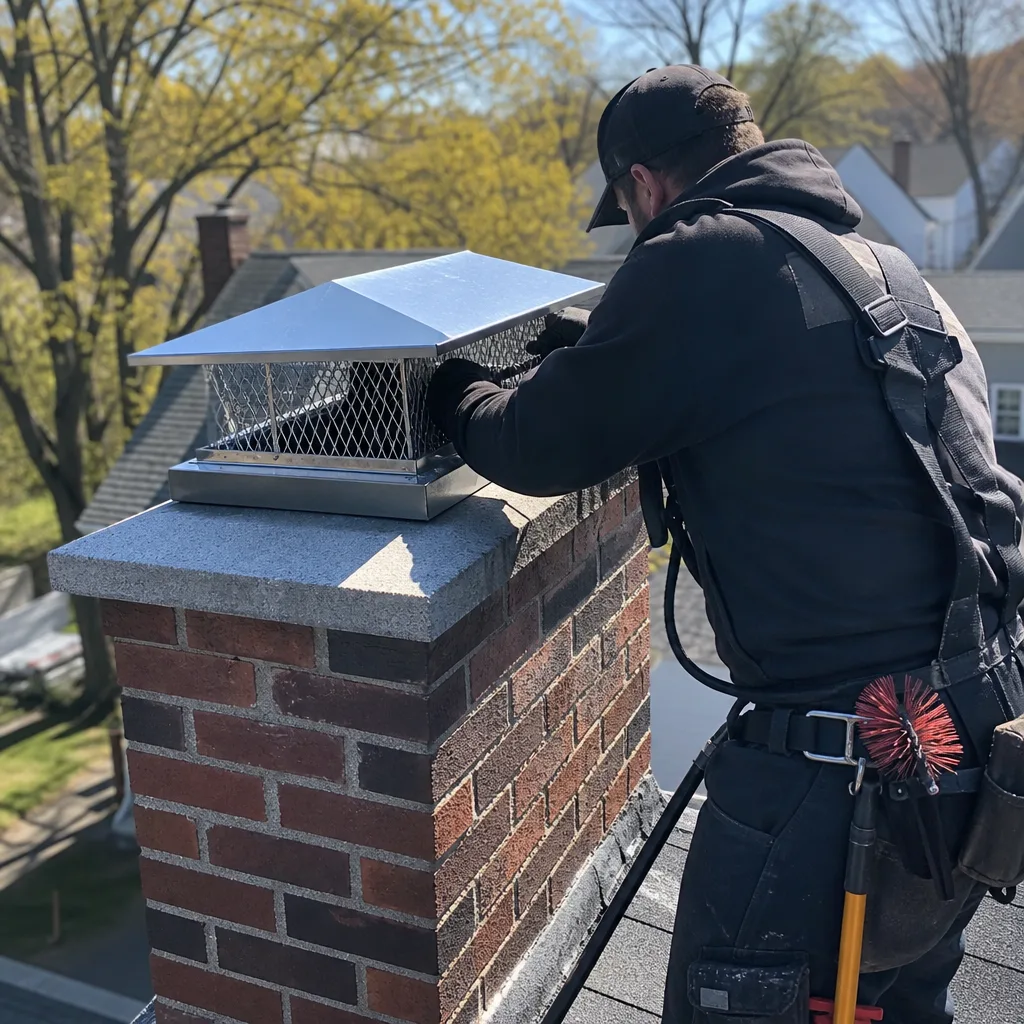
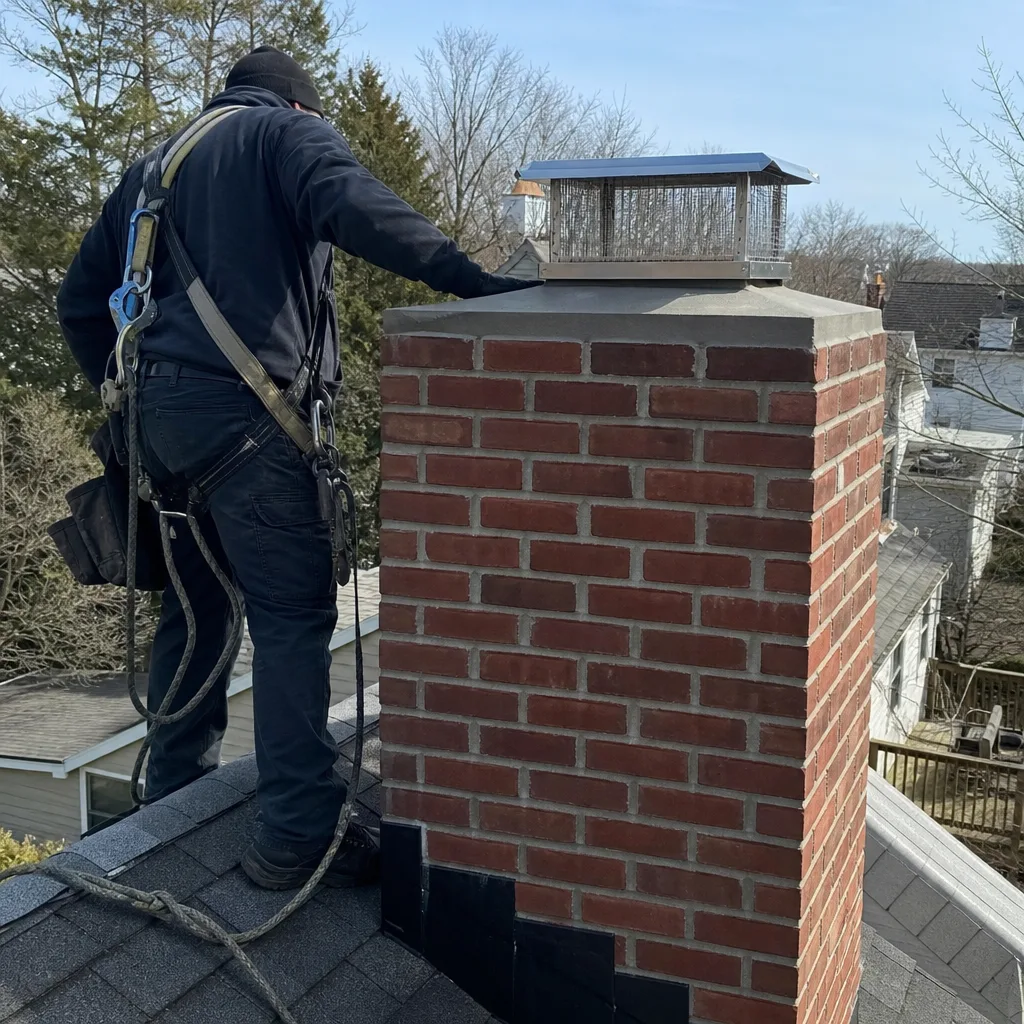
Level 1 sweep and inspection to the NFPA 211 annual standard - flue, crown, cap, and flashing checked and photographed
Chimney sweep logs do not sweep chimneys. They loosen some creosote - which then falls where a brush and vacuum still have to collect it.
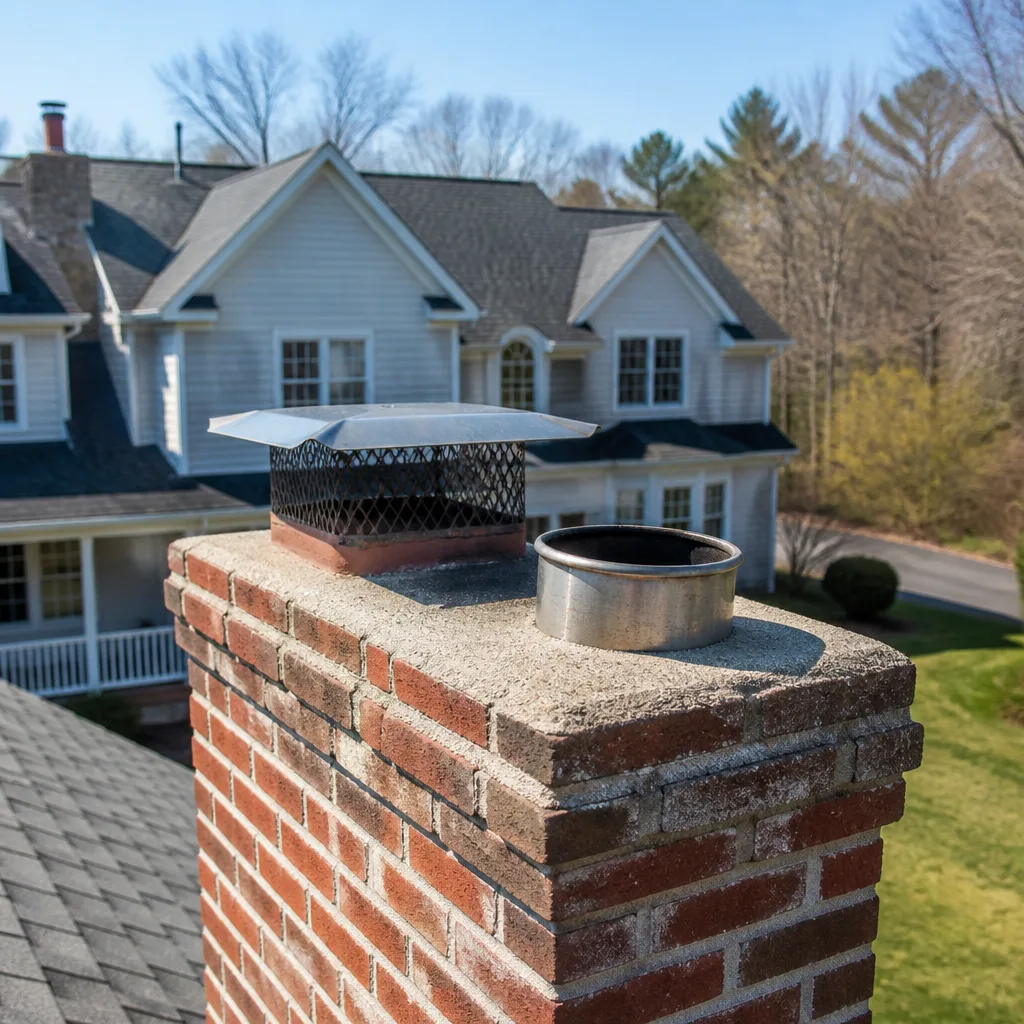
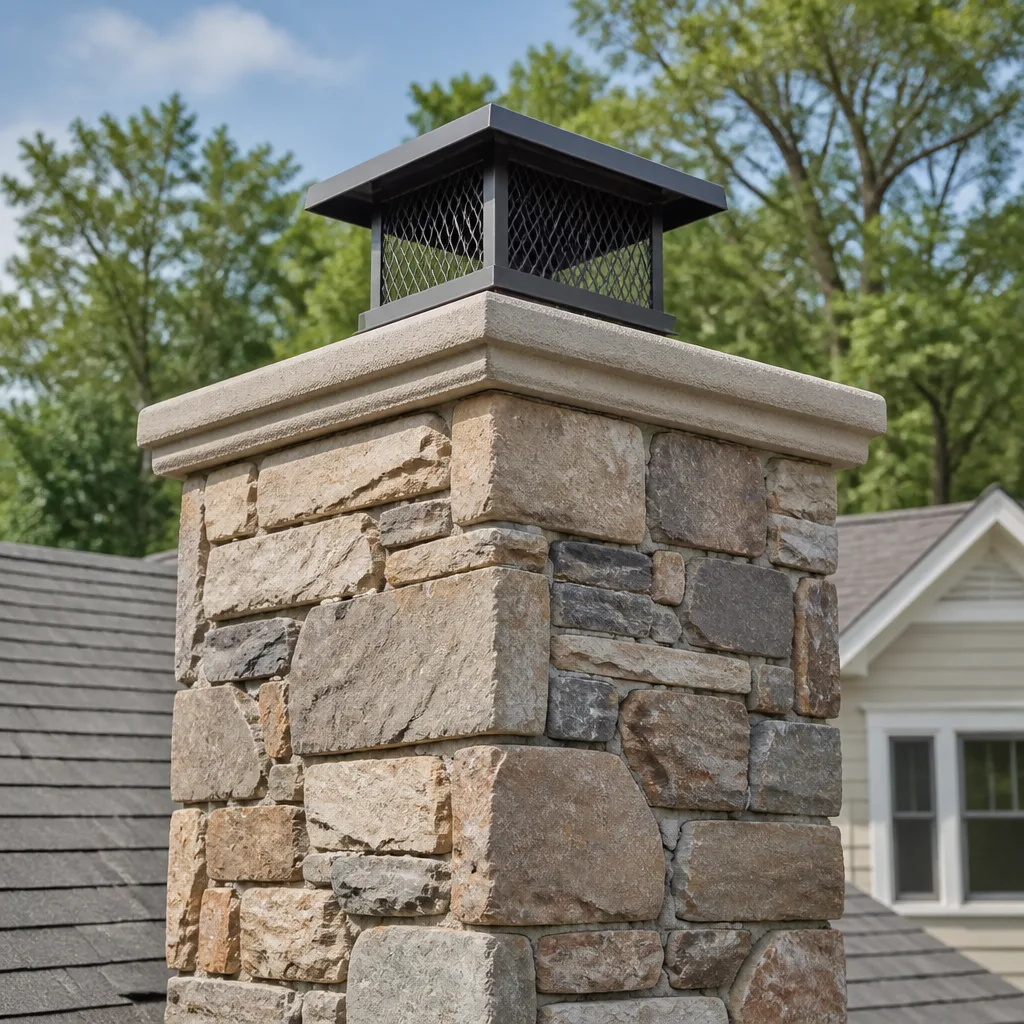
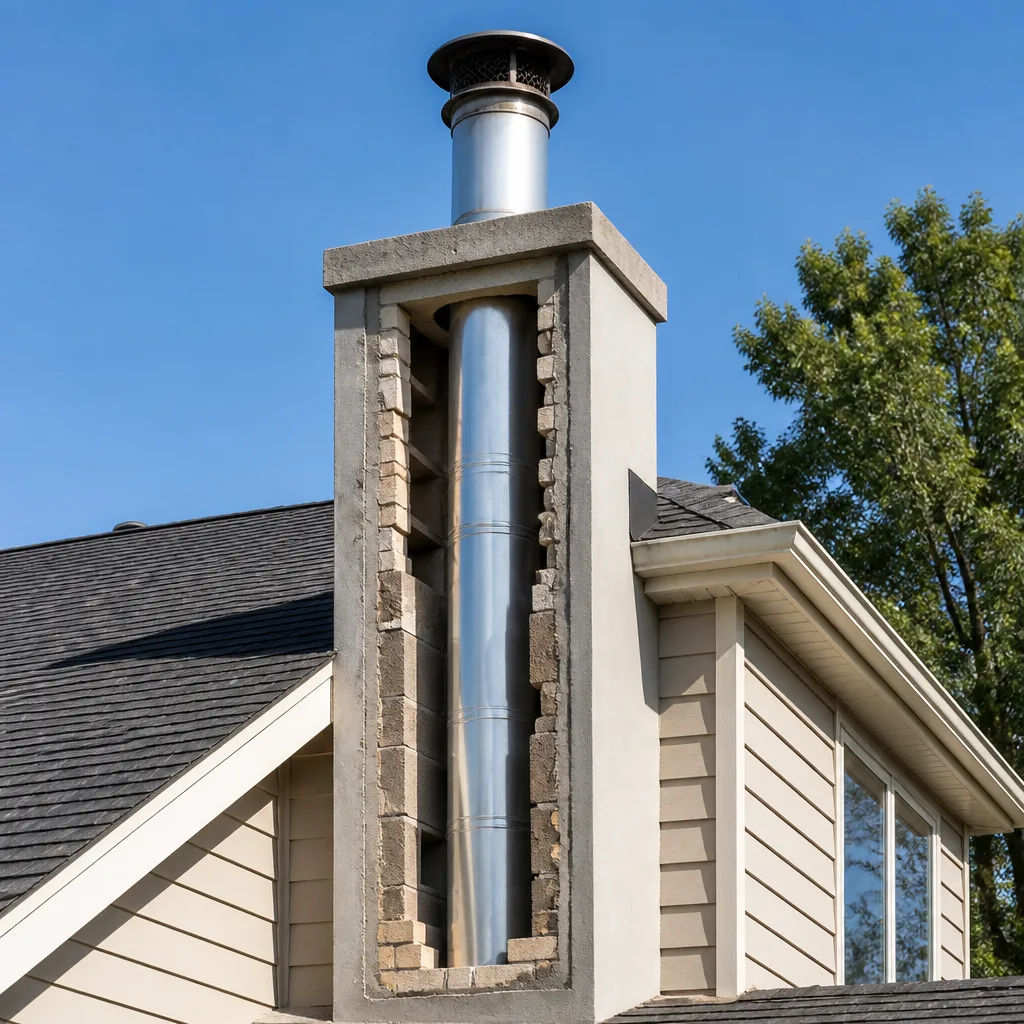
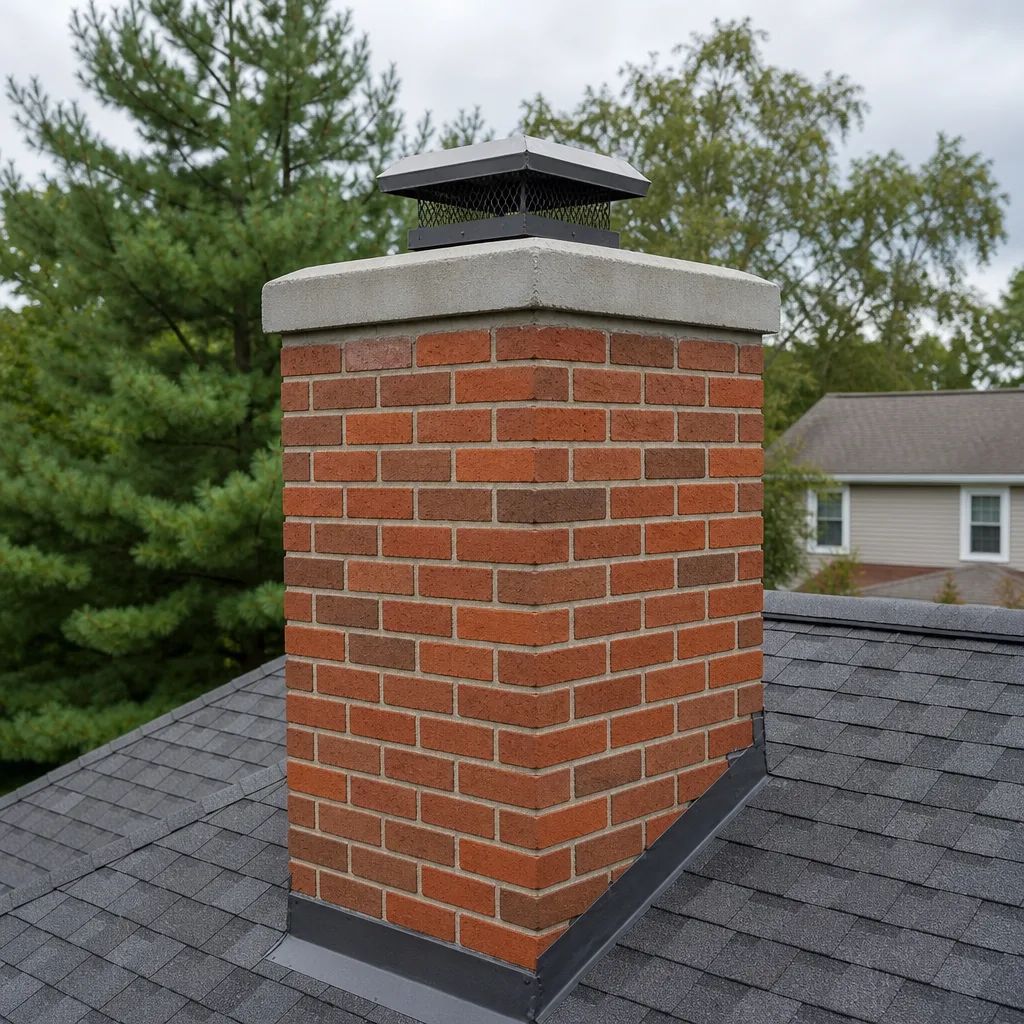
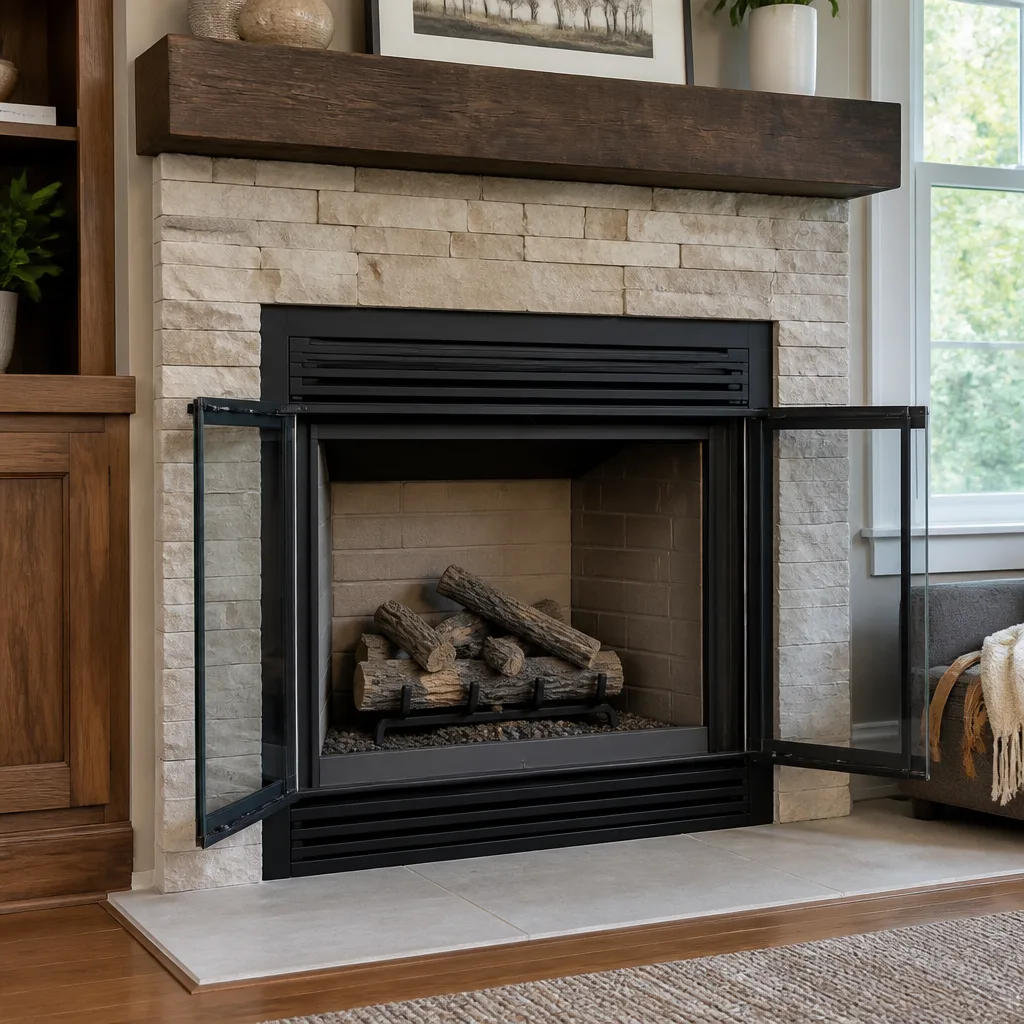
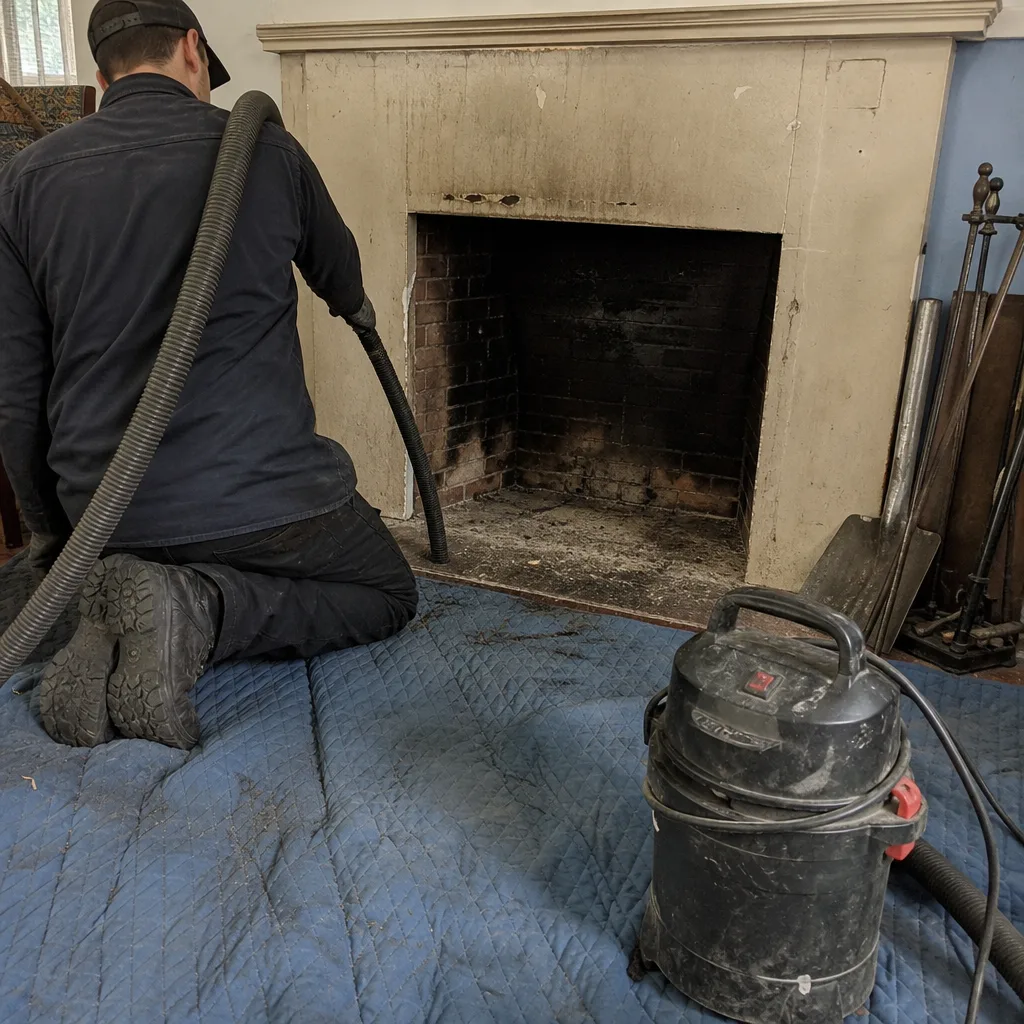 Before
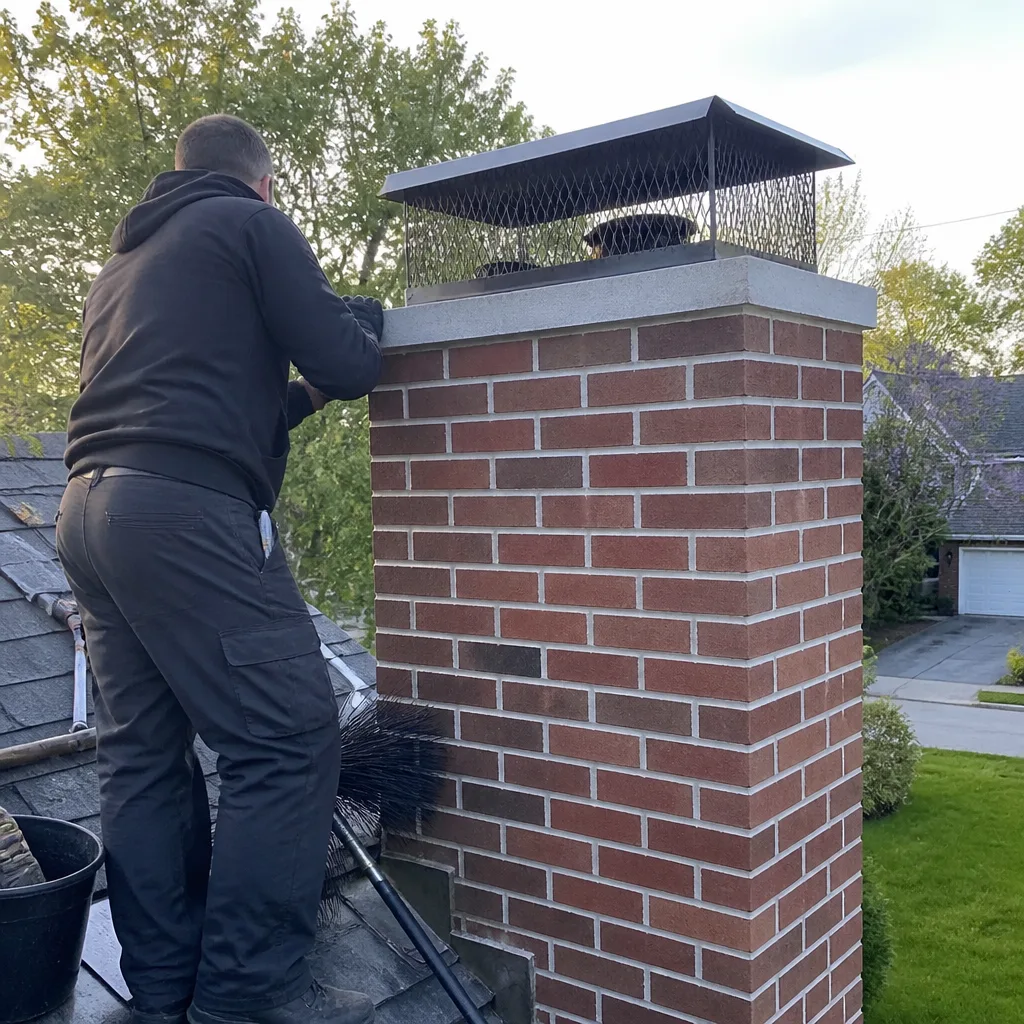 After
After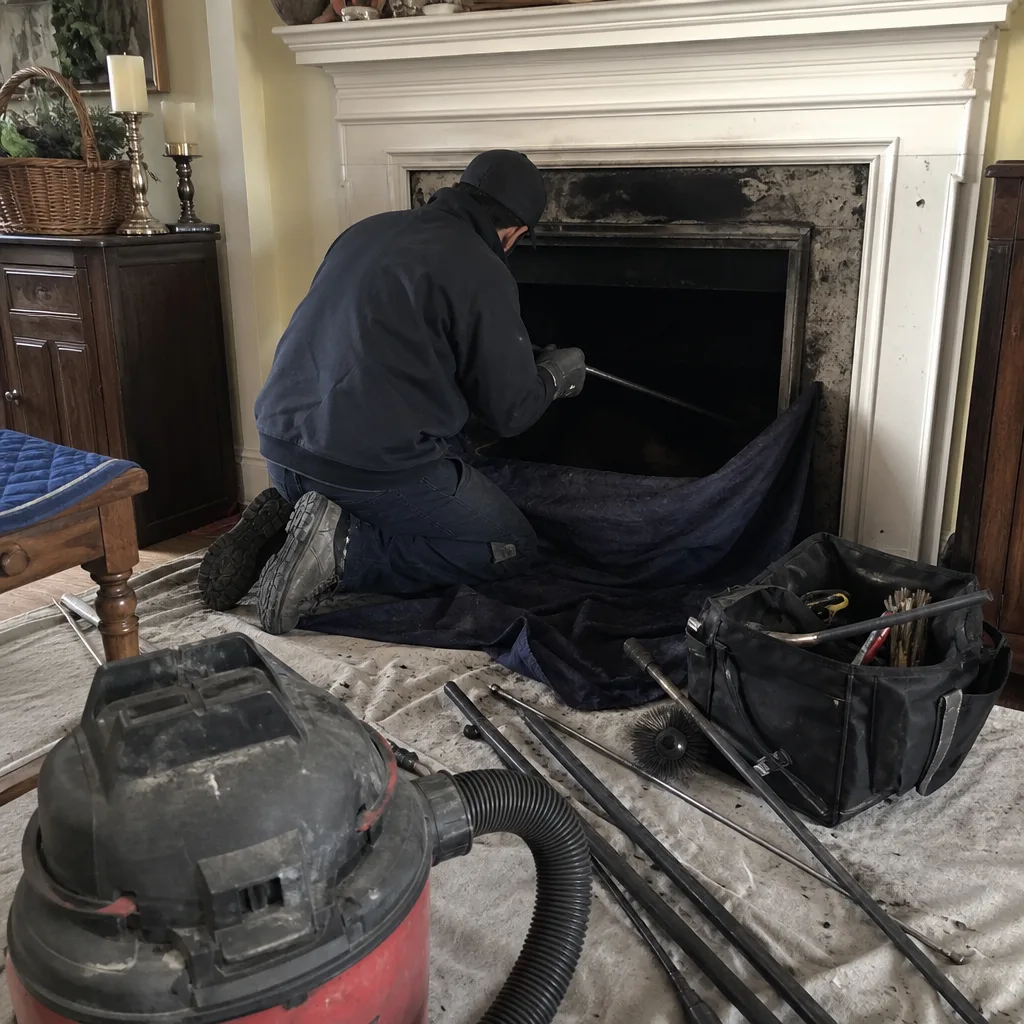 Before
 After
After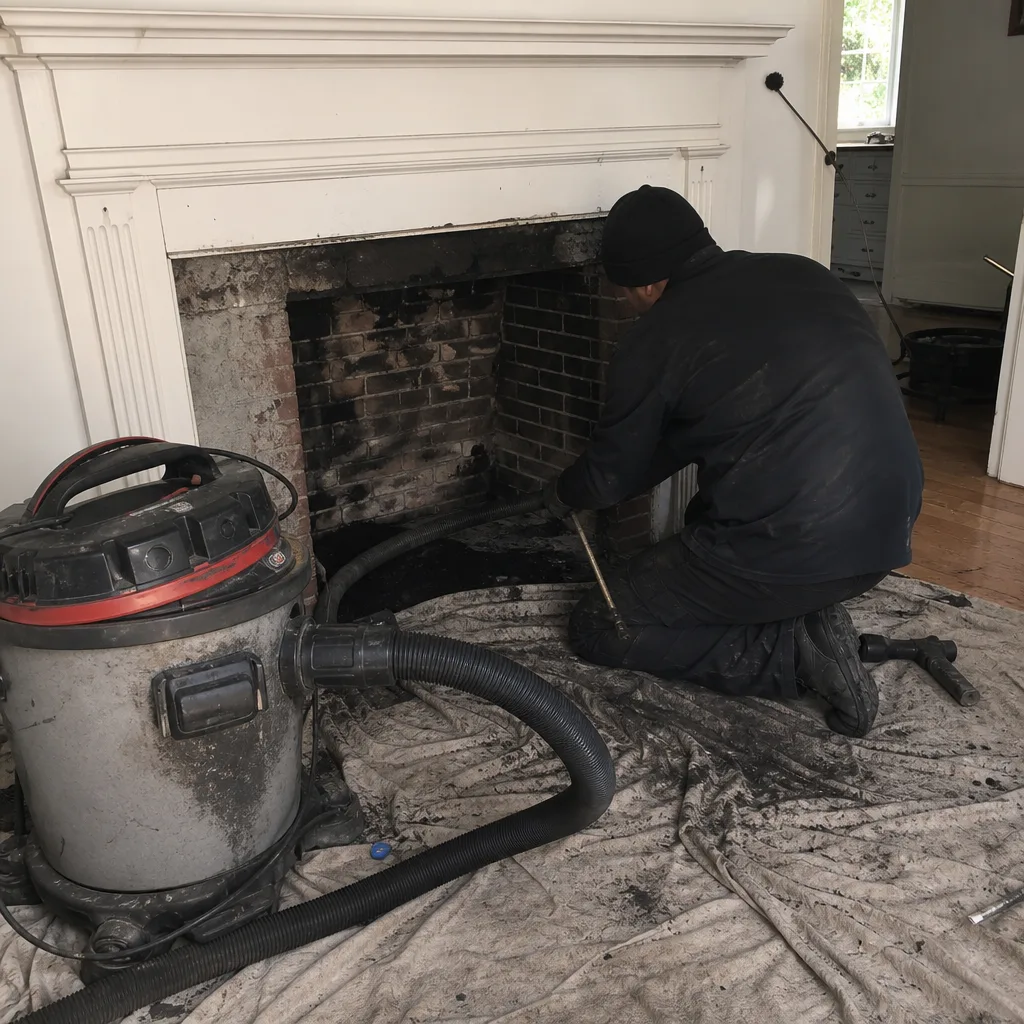 Before
 After
AfterSeasonal Chimney Cleaning Care for Cambridge: Year-Round Homeowner’s Guide
The worst time to discover your damper seal failed is the first cold night in October. The best time to have caught it was May - when a Cambridge chimney sweep can still get on the roof before the summer moss sets in on the flashing and the inspection backlog fills up. Most homeowners in Cambridge treat chimney care as a single autumn appointment, something to check off between leaf-raking and furnace startup. That approach misses three distinct windows of risk that our climate creates. Cambridge’s freeze-thaw cycles, urban heat island effect, and dense tree canopy mean your chimney faces different stresses in March than it does in August. This guide maps what to do, when to do it, and what to watch for - season by season - so nothing becomes a repair that could have been prevented.
Quick Answer
Seasonal chimney care in Cambridge means four distinct maintenance windows: spring inspection for freeze-thaw damage, summer cap and screen checks before nesting season peaks, fall cleaning and sweeping before the October rush, and winter monitoring for smoke rollback and odor changes. A properly maintained chimney in Cambridge’s climate needs at least one professional inspection annually, with sweeping frequency determined by use - typically once per cord of wood burned, or every 1-2 years for occasional fires. See our Chimney Cleaning & Sweep Maintenance Checklist for Cambridge Homeowners for a complete seasonal breakdown.
Table of Contents
- Spring: Assessing Freeze-Thaw Damage in Cambridge’s Clay Soils
- Summer: Cap, Screen, and Flue Protection Before Nesting Season
- Fall: The Critical Cleaning Window Before Cambridge’s Heating Season
- Winter: Safe Monitoring Between Fires
- Cambridge’s Urban Heat Island and Creosote Timing
- Building Your Annual Chimney Maintenance Schedule
- What Seasonal Chimney Care Costs in Cambridge
- Common Mistakes to Avoid
- When to Call a Professional
- Frequently Asked Questions
Spring: Assessing Freeze-Thaw Damage in Cambridge’s Clay Soils
Cambridge sits on the Boston Basin’s marine clay deposits, and these soils expand and contract with moisture more aggressively than sandy or rocky substrates. That movement transfers stress to your chimney’s foundation and, by extension, to the masonry above the roofline. We’ve seen it for over 42 years: the chimneys that need crown rebuilds in September were often fine in October, but something shifted during the February freeze-thaw cycle that the homeowner never noticed.
Spring inspection targets three specific failure modes:
- Spalling brick at the crown. Water enters micro-cracks in the mortar, freezes overnight in January or February, and expands with enough force to flake the brick face. By April, the damage is visible as a chalky residue on the roof or, worse, missing brick faces that expose the interior structure to direct rainfall. In neighborhoods like North Cambridge and the Agassiz area, where many homes date to the 1920s and 1930s, we’ve found crown deterioration in roughly one of every three inspections after a hard winter.
- Mortar joint failure at the roofline. This is the most expensive spring discovery to ignore. The intersection between chimney and roof is a thermal stress point - hot flue gases rise, cold air sits in the attic, and the differential movement grinds at the mortar. Cambridge’s clay soils amplify this by allowing subtle foundation shifts that a granite-based town like Quincy might not experience. Failed roofline joints admit water directly into the wall cavity, and by the time you see a water stain on the ceiling, the repair has moved from tuckpointing to structural remediation.
- Flashing separation. The metal flashing where chimney meets roof is designed to flex. Cambridge’s temperature swings - from single digits to fifty degrees within a February week - test that flexibility harder than more stable climates. Spring is when separated flashing becomes obvious: you’ll see lifted edges, gaps filled with last autumn’s leaves, or rust streaks on the shingles below.
What to do in March and April:
- Schedule a Level-2 camera inspection that includes the exterior masonry and crown. The photos you receive should show every course of brick above the roofline, not just the flue interior.
- Walk the perimeter after a rain and look for new efflorescence - white mineral deposits - on the chimney’s exterior. This signals water migration through the masonry.
- Check the attic for moisture stains near the chimney penetration, but do not climb on the roof yourself. The moss and algae that grow on Cambridge’s shaded north-facing roofs in spring make footing treacherous.
Spring repairs completed by May avoid the summer scheduling crunch and the premium pricing that arrives with fall demand. We’ve found that homeowners who address crown cracks in April spend roughly 40% less than those who wait until October, when water intrusion has deepened the damage and the contractor’s calendar is compressed.
Summer: Cap, Screen, and Flue Protection Before Nesting Season
By mid-June, Cambridge’s tree canopy - among the densest in Massachusetts - is fully leafed, and the wildlife that inhabits it is actively seeking nesting sites. A chimney without a functional cap and screen is a hollow tree: attractive to squirrels, raccoons, and the starlings that arrive in flocks from the Fresh Pond reservation area.
Nesting material in a flue is not a nuisance. It is a fire hazard and a carbon monoxide risk. Partial blockages create backdraft conditions that push combustion gases into living spaces. We’ve responded to calls in July from Cambridge homeowners who noticed a “funny smell” in the upstairs bedroom - the smell was exhaust from a water heater venting into a flue partially blocked by a squirrel’s summer store of insulation material.
The June inspection window matters because:
- Nesting season peaks in July and August. A cap missing its screen in June becomes occupied by July.
- Summer storms - particularly the fast-moving cells that cross the Charles River basin - test cap integrity with wind-driven rain. A cap that survived winter may have loosened.
- Moss and algae on the crown, accelerated by Cambridge’s humidity and shade from mature oaks and maples, accelerate mortar deterioration when left through another winter.
What the summer inspection should cover:
- Cap and screen condition. The mesh should be intact with openings no larger than 3/4 inch - small enough to exclude starlings and squirrels, large enough to allow proper draft. We install caps from Gelco and Olympia Chimney with stainless-steel construction that withstands Cambridge’s salt-air winters without the rust-through we see on galvanized hardware-store units.
- Crown seal integrity. A proper crown slopes away from the flue tile and overhangs the brick by at least two inches. Summer heat opens hairline cracks that winter freeze will exploit. HeatShield crown seal applications, when needed, cure best in the temperature range Cambridge sees in June and early July.
- Flashing re-examination. The spring inspection may have found separation; summer is when to complete the repair before fall rains return.
One practical note for Cambridge’s older housing stock: many homes in the Riverside and Mid-Cambridge neighborhoods have multiple flues serving original coal-era fireplaces, later converted to gas or wood. Each flue needs its own cap. We’ve found uncapped secondary flues in perhaps one of five inspections in these neighborhoods, usually because a prior owner capped only the actively used flue and the second was forgotten.
Fall: The Critical Cleaning Window Before Cambridge’s Heating Season
There is a specific, narrow scheduling window for chimney cleaning in Cambridge: late September through mid-October. Miss it, and you join the backlog that stretches from late October through Thanksgiving - the period when every sweep in Middlesex County is booked two weeks out and emergency rates apply.
The urgency is real but not manufactured. Cambridge’s first sustained heating demand typically arrives in mid-October, when overnight lows drop into the forties and stay there. A chimney that has accumulated creosote through the previous winter needs to be clean before that first sustained cold snap, because:
- Creosote ignites at approximately 451°F - a temperature easily reached in a flue with significant buildup during the first hard firing of the season, when homeowners tend to over-stove to chase the chill from the house.
- The 90-Day Done Right Promise we offer applies to work we perform; it cannot protect against a chimney fire in a flue we have not yet serviced.
- Carbon monoxide risk increases with partial blockages from creosote, bird nests, or collapsed flue tile - all conditions we find in pre-season inspections.
What fall service should include:
- NFPA 211-compliant sweeping. The National Fire Protection Association standard requires removal of combustible deposits from the flue, smoke chamber, and firebox. We document this with before-and-after photos from the camera inspection.
- Level-2 inspection with camera. This examines the full flue interior for cracks, gaps, or deterioration that sweeping alone would miss. In Cambridge’s older housing stock, we find unlined flues or deteriorated terra cotta liners in approximately 30% of pre-1950 homes - a condition that requires addressing before safe use.
- Functional testing of dampers and combustion air systems. A damper that sealed adequately in April may have warped or corroded over a humid Cambridge summer. The first cold night is the wrong time to discover it won’t close fully.
- Clearance verification. Cambridge’s dense neighborhoods mean close-set houses with limited yard space. We’ve seen cases where a neighbor’s summer tree growth has reduced clearance to combustible structures below safe margins.
The scheduling reality: our calendar at Chimney Cleaning & Sweep in Cambridge typically fills for October by the third week of September. Homeowners who book in August or early September choose their preferred date. Those who wait until the first cold morning often take the first available slot, which may not align with their schedule.
Cost expectation for fall service in the Cambridge market: a standard sweep and Level-2 inspection runs $250-$350 for a single-flue system, with multi-flue homes or those requiring rotary cleaning for glazed creosote at the higher end. For detailed pricing factors, see our Chimney Cleaning Cost Breakdown: The Cambridge Homeowner’s Reference for 2026. Our $89 Seasonal Tune-Up, available during early booking windows, includes basic inspection and maintenance for systems without significant buildup.
Winter: Safe Monitoring Between Fires
Once the heating season is underway, the homeowner’s role shifts from prevention to observation. There is limited value in attempting mid-winter maintenance - the roof is hazardous, materials don’t cure properly in cold, and the chimney is in active use. But there are specific warning signs that demand immediate professional attention, and others that can be logged for spring service.
Signs that require stopping use and calling for service:
- Smoke rollback into the room. This indicates either a blocked flue, negative pressure in the house, or damper malfunction. Do not attempt to “burn through it.” Extinguish the fire and call.
- Visible flame or sparking from the chimney top. This is a chimney fire in progress. Evacuate and call emergency services, then contact a sweep for post-fire inspection before resuming use.
- Sudden odor of hot metal or burning tar. Creosote ignition often produces this smell before visible flame. Treat it as an active fire risk.
Conditions to monitor and record for spring service:
- Damper operation stiffness. If the damper becomes progressively harder to open or close through the winter, corrosion or creosote buildup is accelerating. Note the progression.
- Exterior masonry discoloration. White efflorescence or darkening of the brick face signals moisture issues that will worsen with spring rains.
- Changes in draft performance. A chimney that drew well in November but smokes slightly in January may have developed a partial blockage from creosote shedding or freeze-thaw damage to the flue liner.
Cambridge’s winter brings a specific local factor: the urban heat island effect keeps core city temperatures slightly warmer than suburban and rural areas, which can alter draft behavior. A chimney that performed adequately in a Belmont or Arlington location may underdraft in Cambridge’s warmer ambient air, particularly on still, mild winter days when temperature differential - the engine of natural draft - is reduced. This is not a defect; it is a condition to understand and manage with proper fire-starting technique and, in some cases, a chimney fan or improved combustion air supply.
Cambridge’s Urban Heat Island and Creosote Timing
Cambridge’s dense development, extensive pavement, and reduced tree cover in commercial corridors create an urban heat island that elevates temperatures 2-4°F compared to surrounding towns. This has a direct, underappreciated effect on chimney performance and maintenance timing.
Creosote forms in three stages, and temperature governs the progression:
- Stage 1 (soot): Easily brushed away, forms at flue temperatures above 250°F with proper combustion.
- Stage 2 (granular): Requires rotary cleaning, forms when flue temperatures drop below 250°F due to smoldering fires or insufficient draft.
- Stage 3 (glazed): Hard, tar-like, highly combustible, requires mechanical removal - forms with chronic low-temperature operation.
Cambridge’s warmer ambient air reduces natural draft strength, particularly in shoulder seasons when outdoor temperatures are 40-55°F. Homeowners who start occasional fires in October or maintain low fires for “atmosphere” in November create the exact conditions for Stage 2 and 3 creosote formation: flue gases that cool too quickly before exiting, depositing incompletely combusted material on the flue walls.
The practical implication: Cambridge chimneys used for occasional or decorative fires often accumulate creosote faster than identical systems in cooler surrounding towns. This is why we recommend fall cleaning even for “light use” systems, and why we ask specifically about fire-starting habits during inspection - not to judge, but to calibrate maintenance frequency accurately.
The extended shoulder seasons also mean that Cambridge homeowners may use fireplaces into April or start in October, widening the active-use window and increasing annual creosote accumulation compared to more sharply seasonal climates. A system that might need sweeping every two years in a colder climate often needs annual service here.
Building Your Annual Chimney Maintenance Schedule
A sustainable schedule distributes tasks across the year and avoids the October rush. Here is the framework we recommend to Cambridge homeowners, based on what we’ve seen work across four decades of local service:
| Timing | Task | Why This Window |
|---|---|---|
| March-April | Post-winter Level-2 inspection; crown and flashing assessment | Freeze-thaw damage is fresh and visible; roof conditions permit safe access; repairs complete before summer |
| June | Cap, screen, and crown seal check | Before peak nesting season; optimal curing conditions for sealants |
| Late September-mid-October | Sweeping and pre-season inspection | Before first sustained cold; avoids scheduling backlog; materials tested before heating demand |
| December-February | Ongoing observation; no maintenance except emergency | Roof access hazardous; materials won’t cure; system in active use |
For homes with gas fireplaces or inserts, the schedule compresses slightly: annual inspection remains essential, but sweeping frequency drops to every 2-3 years unless venting issues develop. For wood-burning systems used as primary heat, consider a mid-season inspection in January if more than two cords have been burned.
Documentation matters. We provide photos and a plain-English verdict after every inspection, and we encourage homeowners to keep these records. When you sell - and Cambridge’s real estate market turns over regularly, even among long-term owners - a documented maintenance history from a recognized local company supports value and smooths inspection contingencies.
What Seasonal Chimney Care Costs in Cambridge
Pricing in the Cambridge market reflects labor costs, insurance requirements, and the technical complexity of working on historic and densely set housing. These are the ranges we see for properly performed work in 2024-2025:
| Service | Typical Range | Notes |
|---|---|---|
| Standard sweep + Level-2 inspection (single flue) | $250-$350 | Includes camera inspection, photo report, functional test |
| Multi-flue or rotary cleaning (glazed creosote) | $350-$550 | Additional time and equipment; before-and-after photos included |
| Crown seal/repair (HeatShield or equivalent) | $400-$800 | Depends on crown size and access; 5-year warranty with proper application |
| Cap and screen replacement (stainless steel) | $250-$450 | Gelco and Olympia Chimney brands; custom sizing for non-standard flues at higher end |
| Flashing repair | $300-$600 | Partial rebuild vs. full replacement; includes matching to existing roof material |
| Full liner installation (stainless steel) | $2,500-$4,500 | DuraFlex or equivalent; required for unlined or deteriorated terra cotta flues |
Our standing offers apply: $50 off any repair over $250, free second opinion on any written estimate, the $89 Seasonal Tune-Up for qualifying systems, and a permanent 5% senior and veteran discount. No-hassle upfront pricing means the estimate figure is the invoice figure - we do not encounter “surprises” that require additional authorization after work begins.
Compared to the cost of a chimney fire - which typically runs $3,000-$5,000 in structural damage, plus potential injury - scheduled maintenance is not an expense. It is a controlled, predictable cost that prevents uncontrolled, unpredictable ones.
Common Mistakes to Avoid
- Waiting for “the fall feeling” to book. By the time Cambridge’s maple canopy turns in late October, every reputable sweep is booked through Thanksgiving. The homeowner who calls on the first cold morning joins a queue or pays premium rates for emergency scheduling.
- Assuming gas systems need no inspection. Gas burns cleaner than wood, but corrosive condensation, deteriorated vent connectors, and blocked termination caps create identical carbon monoxide risks. Annual inspection is non-negotiable for any fuel type.
- Ignoring the crown because “it’s just the top.” The crown is the chimney’s roof. Water entering through crown cracks migrates down the flue, destroys liners, rusts dampers, and rots adjacent framing. Crown repair is preventive maintenance with the highest return on investment in chimney care.
- Hiring based on lowest price without verifying scope. A “chimney sweep” who spends 20 minutes with a brush and no camera has not performed an inspection. The NFPA 211 Level-2 standard requires visual and camera examination of accessible portions. Low prices often mean omitted steps.
- DIY cap installation with hardware-store products. Galvanized steel caps rust through in 2-3 Cambridge winters. Proper stainless caps from Famco or equivalent manufacturers cost more initially and last 15-20 years. The false economy is obvious in hindsight.
- Failing to document conditions year to year. Without photos and written reports, progressive deterioration is invisible. The crack that was “small” three years ago is now a structural issue, but memory is unreliable. Insist on documentation.
- Using the fireplace when draft seems “a little off.” Slight smoke smell, harder starting, or visible smoke in the room are not quirks. They are warnings. Using a system with compromised draft risks carbon monoxide exposure and chimney fire.
When to Call a Professional
Call a certified chimney professional when you observe any of the warning signs described in this guide, when your last inspection exceeds 12 months, or when you’ve purchased a home with unknown chimney history. In Cambridge’s market, where pre-purchase inspections often flag chimneys conditionally, a Level-2 inspection by a CSIA-certified sweep provides the documentation buyers and insurers require.
Hearthstone Chimney Co. offers free estimates in Cambridge - call (857) 392-4709. A live person answers every call, 24 hours a day, every day. We’ll schedule a time that works, arrive when we say, and leave you with photos you can see and a plain-English verdict you can act on. Most inspections and standard sweeps are completed in a single visit. The 90-Day Done Right Promise covers everything we do: if it’s not right, we make it right, in writing, with no arguing.
Frequently Asked Questions
A standard chimney sweep with Level-2 camera inspection for a single-flue system in Cambridge typically costs $250-$350. Multi-flue homes or systems with glazed creosote requiring rotary cleaning run $350-$550. Our $89 Seasonal Tune-Up covers basic inspection and maintenance for qualifying systems booked during early scheduling windows. Call (857) 392-4709 for an exact quote - estimates are free.
Wood-burning systems in Cambridge should be swept after every cord of wood burned, or at minimum annually, due to the urban heat island effect that promotes creosote formation. Gas systems require annual inspection but typically need sweeping only every 2-3 years unless venting issues develop. Oil and pellet systems follow manufacturer guidelines, generally annual inspection with sweeping as indicated by deposit accumulation.
You need a new liner if inspection reveals cracks, gaps, or deterioration in an existing terra cotta liner, or if your chimney is unlined - a common condition in Cambridge homes built before 1940. We do not recommend liner replacement without camera evidence you can see yourself. In many cases, a damaged liner can be repaired with HeatShield cerfractory foam for less than full replacement. Call (857) 392-4709 for a camera inspection and honest assessment of whether replacement can be deferred safely.
Skipped maintenance leads to creosote accumulation that increases chimney fire risk, moisture intrusion that destroys masonry from the inside, and deteriorated components that allow carbon monoxide into living spaces. In Cambridge’s freeze-thaw climate, minor crown cracks become major rebuilds within two to three winters. The cost of deferred maintenance typically exceeds scheduled maintenance by 3-5x when finally addressed. Call (857) 392-4709 to schedule before small problems become large ones.
Homeowners can safely monitor for the warning signs described in this guide - smoke rollback, odor changes, exterior discoloration - but roof inspection, flue camera examination, and combustion testing require training and equipment. Cambridge’s steep roofs, mature tree cover, and dense neighborhood setbacks make DIY roof access particularly hazardous. We document every inspection with photos and a written verdict so you understand your system’s condition without taking risks.
Late September through mid-October is the optimal window for pre-season cleaning, but the best overall schedule distributes tasks: spring for post-winter damage assessment, summer for cap and screen checks, fall for sweeping, and winter for observation only. Booking fall service by early September secures preferred dates before the October rush fills calendars across Middlesex County.
The Bottom Line
Cambridge’s four-season climate demands four-season chimney attention. The freeze-thaw cycles of spring reveal damage that summer repairs can prevent from deepening. Summer cap inspections exclude wildlife before nesting season peaks. Fall cleaning prepares the system for heating demand before the scheduling backlog compresses your options. Winter observation catches problems before they become emergencies. Treating chimney care as a single annual event means three windows of preventable risk go unaddressed. The homeowners we’ve served longest - some for thirty years or more - follow a distributed schedule, document conditions year to year, and address small issues before they require large solutions. Explore our more guides & resources to build your own maintenance system. That approach costs less, stresses less, and keeps the hearth safe for use whenever the weather turns.
Hearthstone Chimney Co. home | Chimney Repair in Cambridge | Fireplace Services in Cambridge
Written by Russell Haines, Owner at Hearthstone Chimney Co., serving Cambridge since 2014.