
Level 1 sweep and inspection to the NFPA 211 annual standard - flue, crown, cap, and flashing checked and photographed
Chimney sweep logs do not sweep chimneys. They loosen some creosote - which then falls where a brush and vacuum still have to collect it.
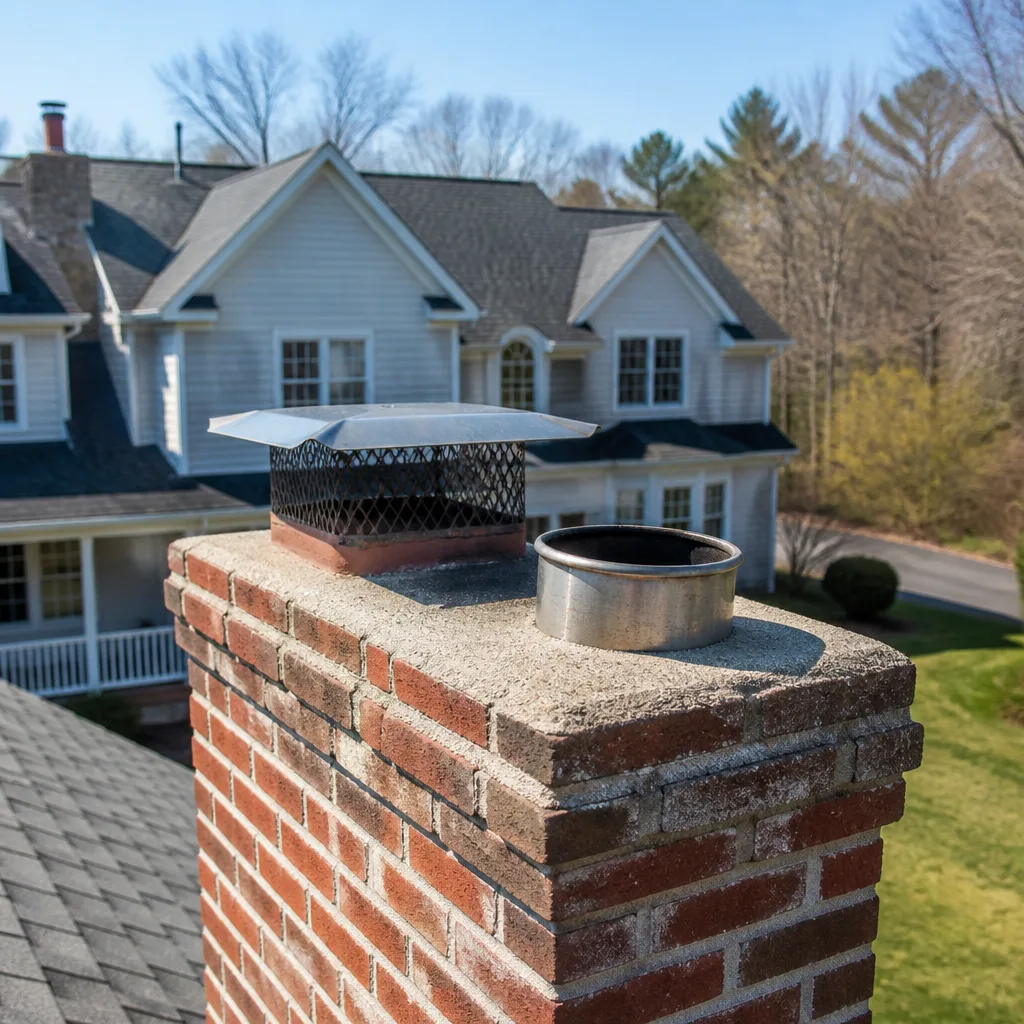
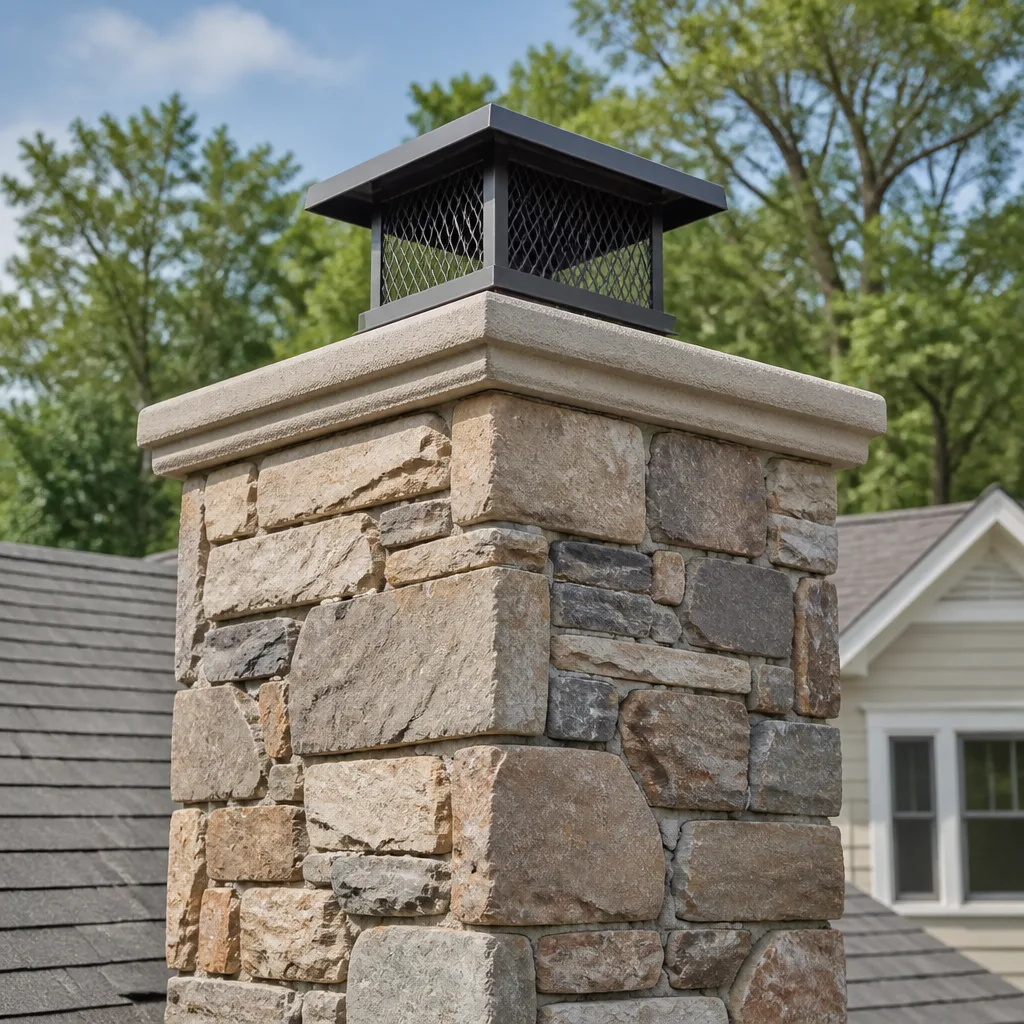
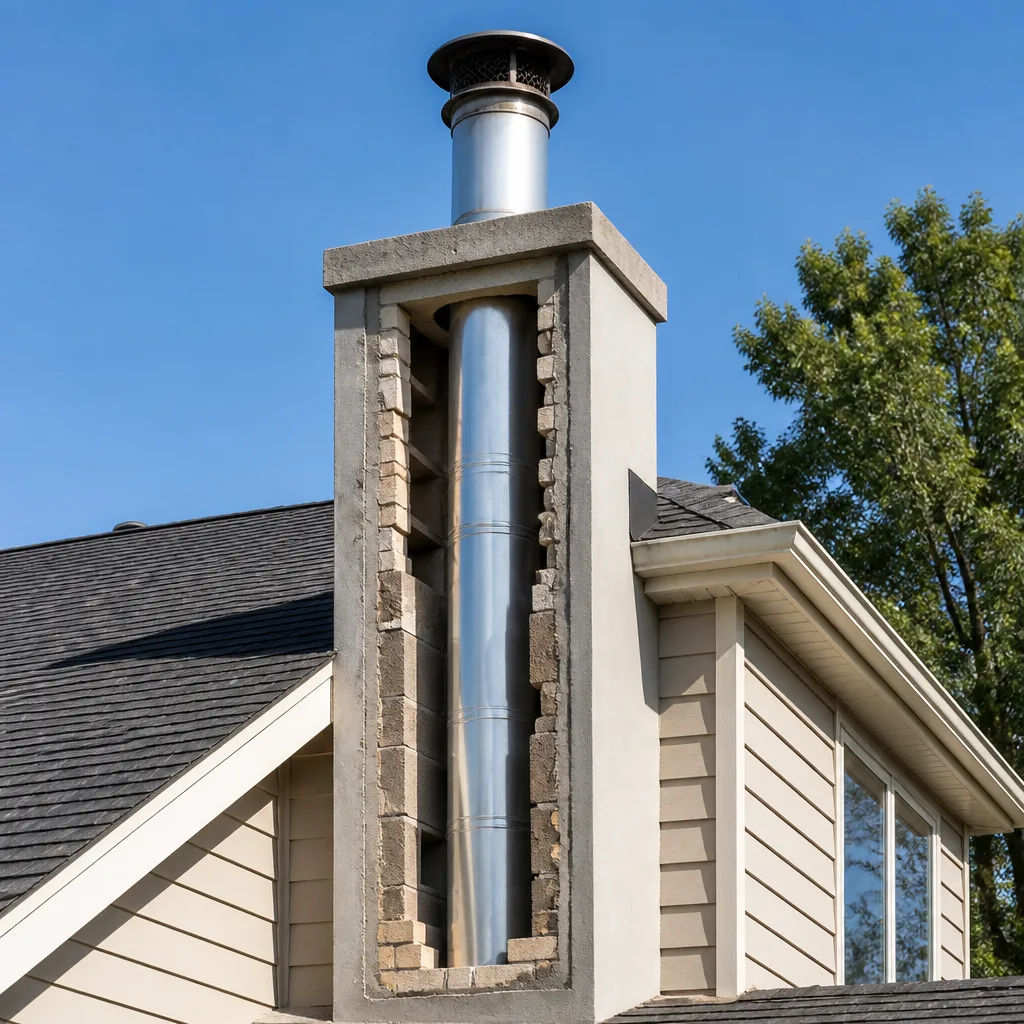
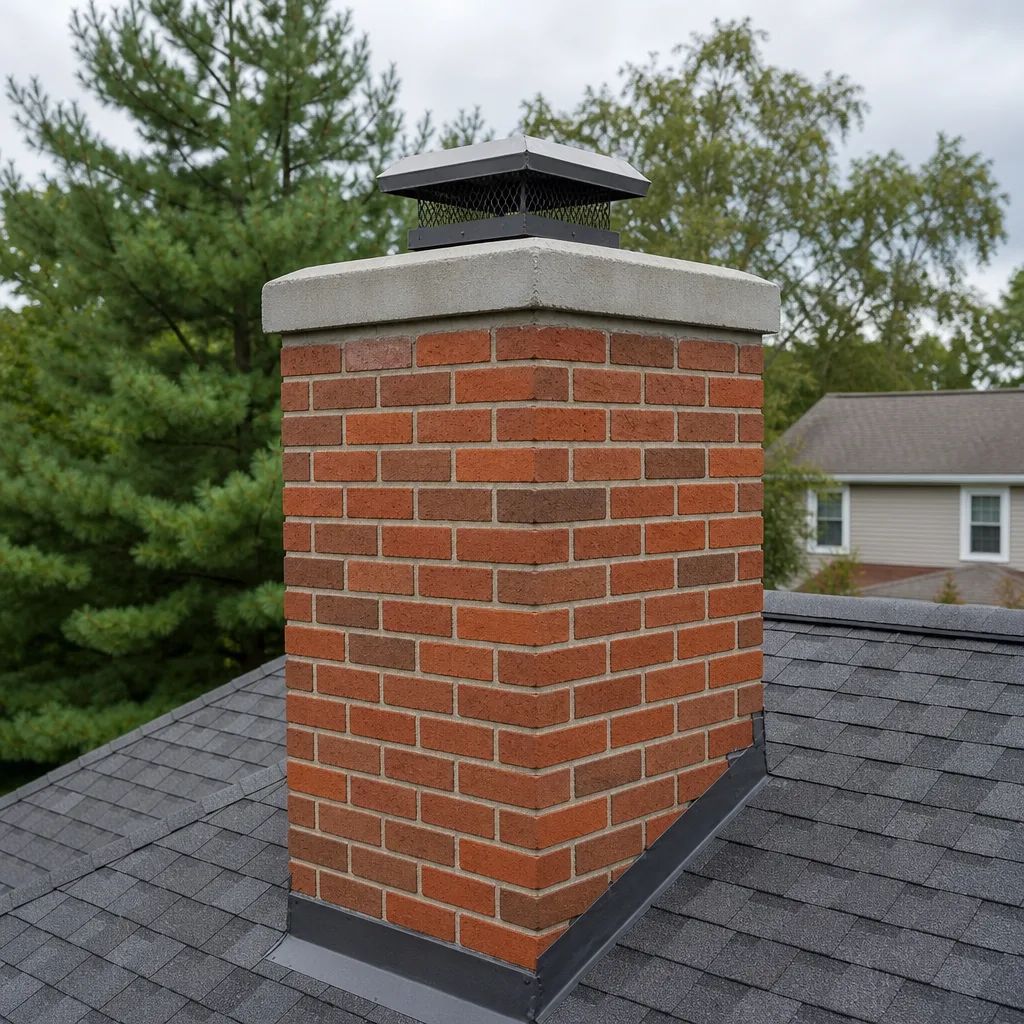
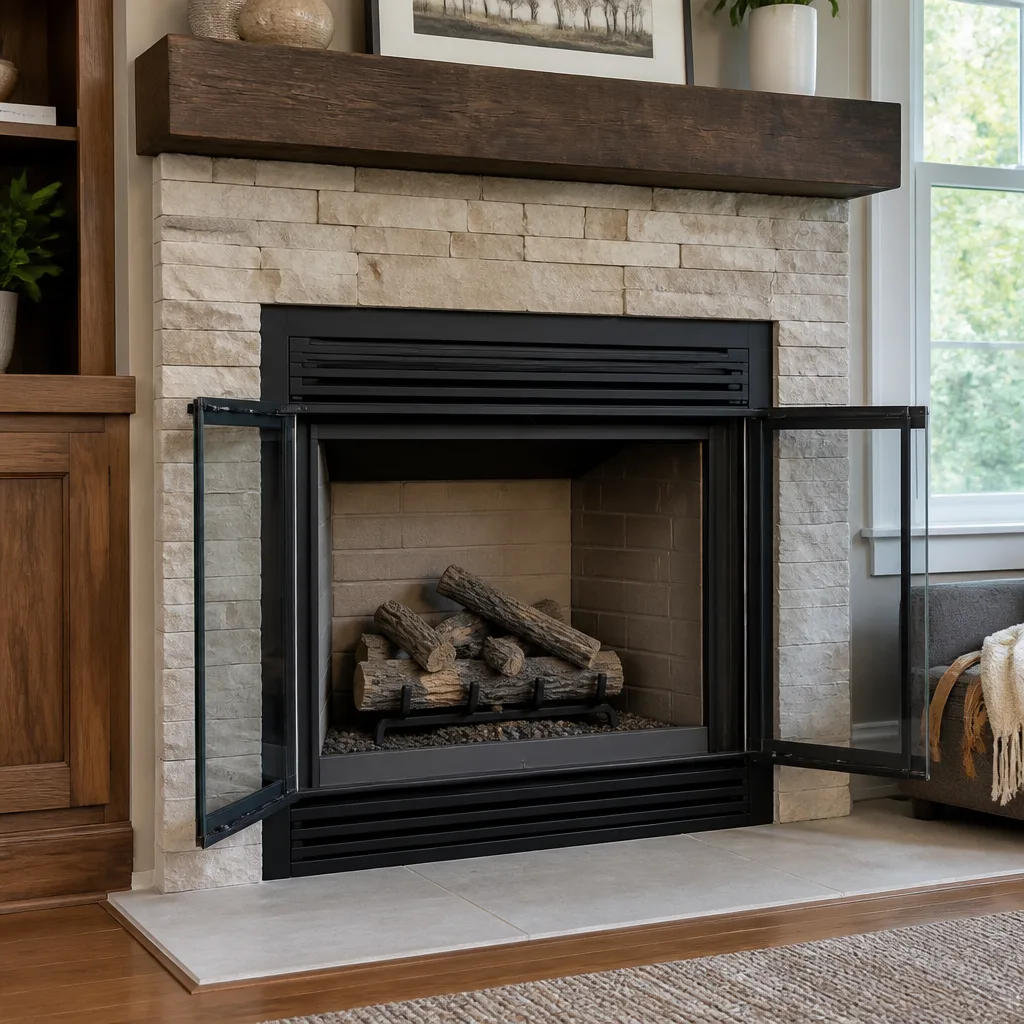
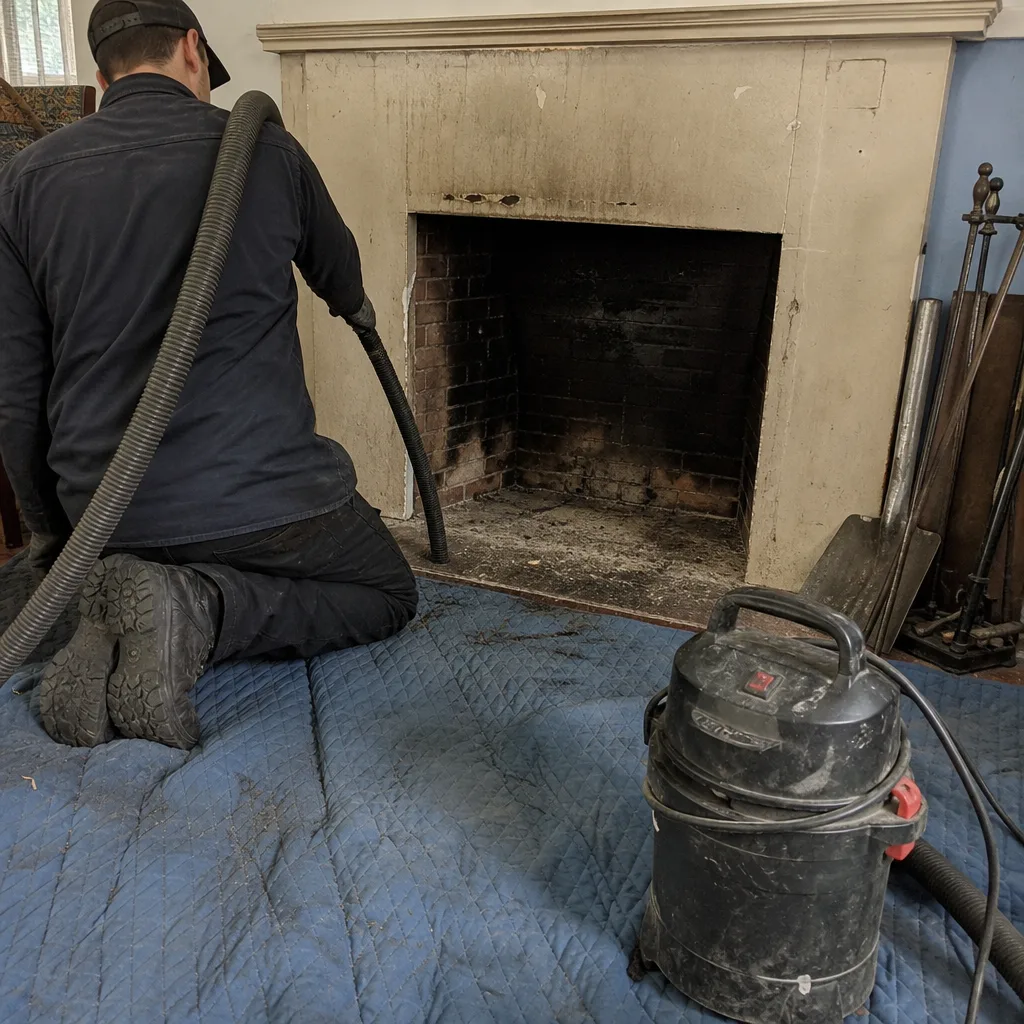 Before
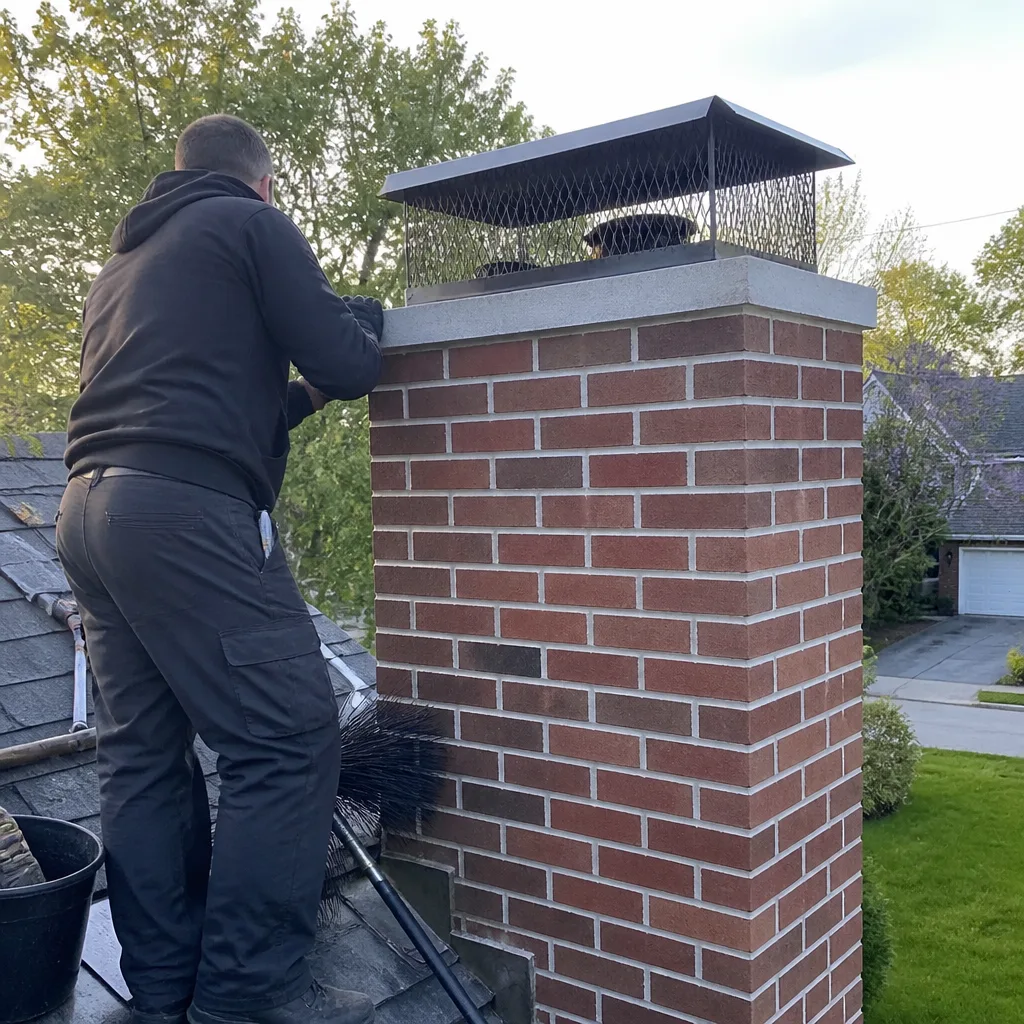 After
After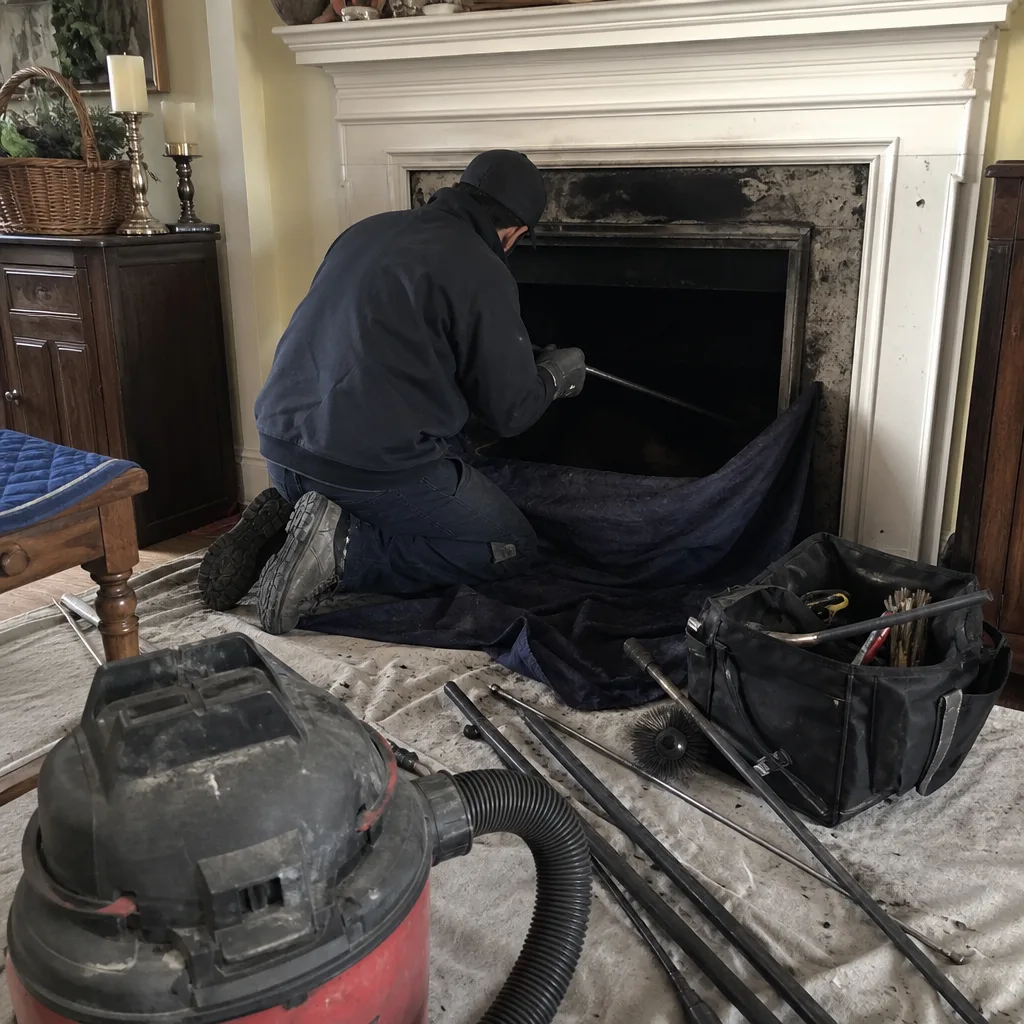 Before
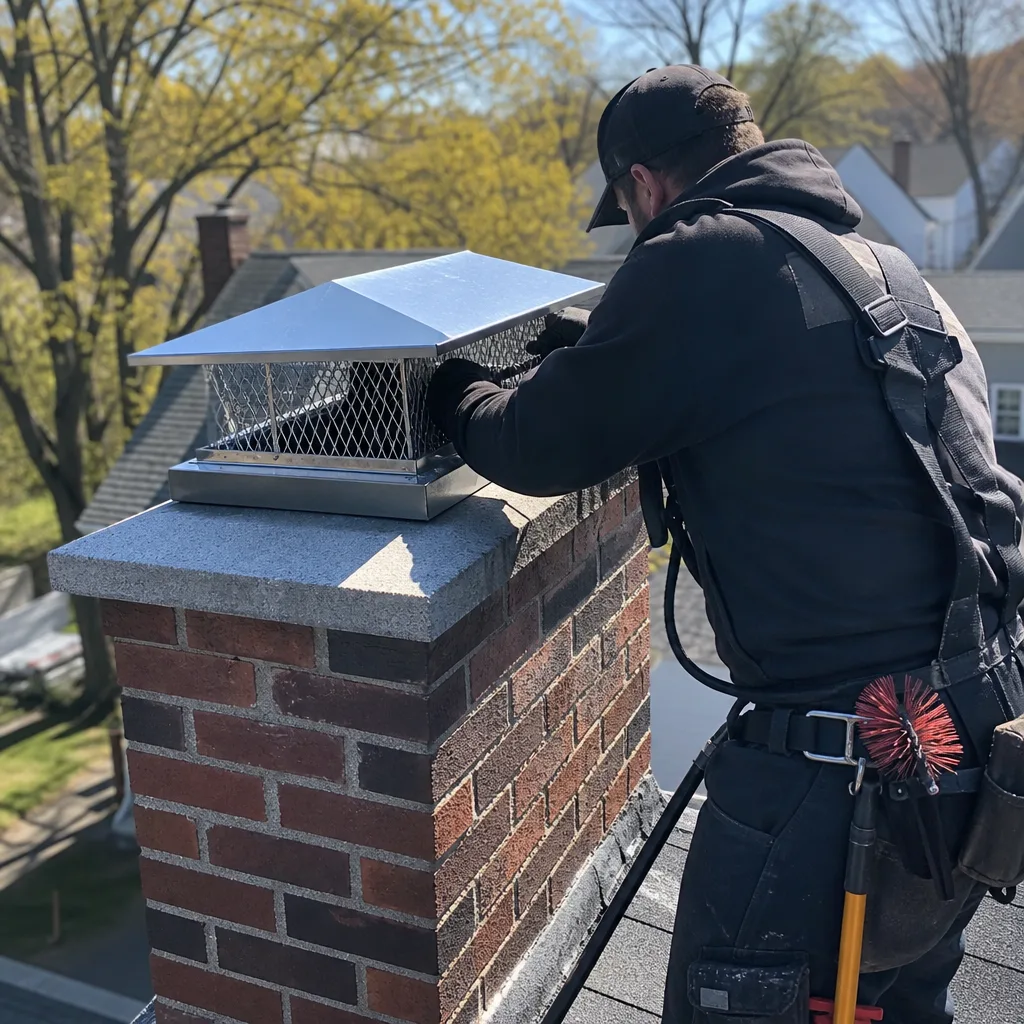 After
After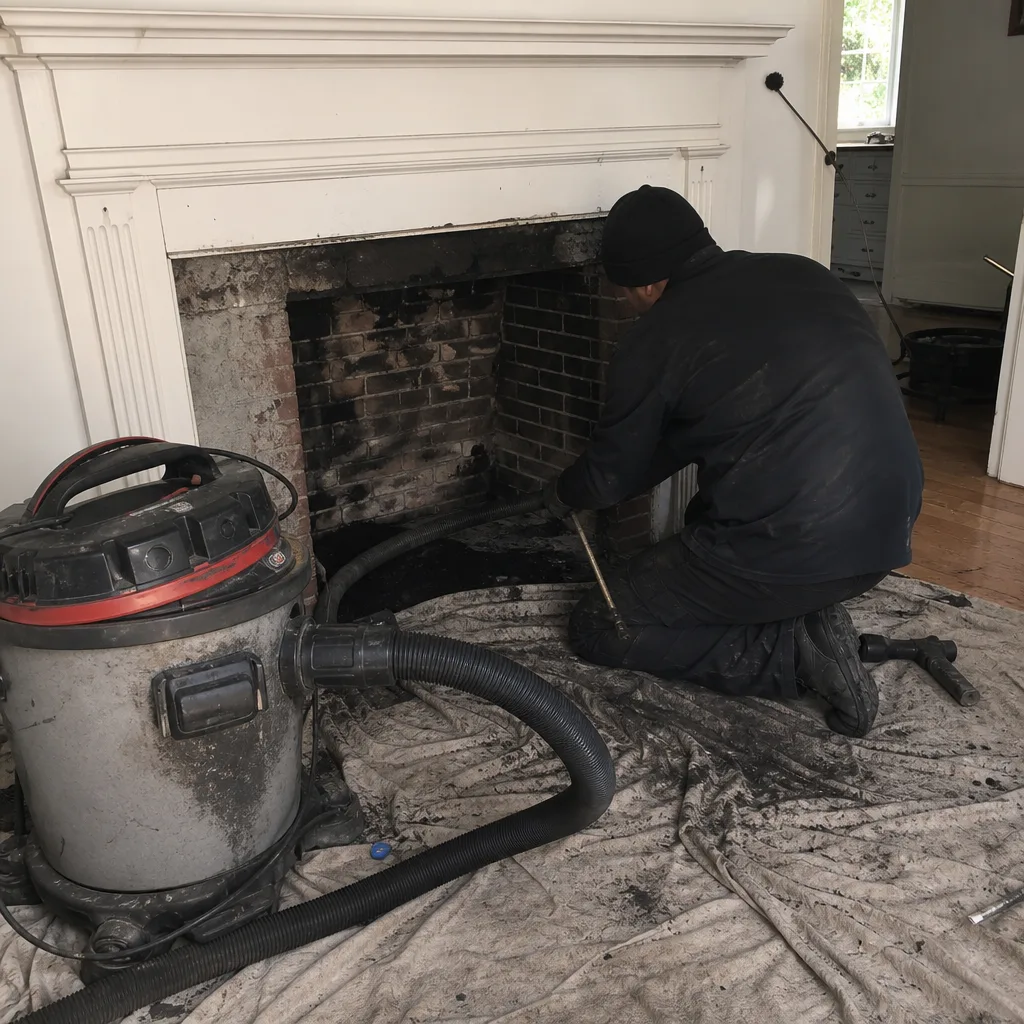 Before
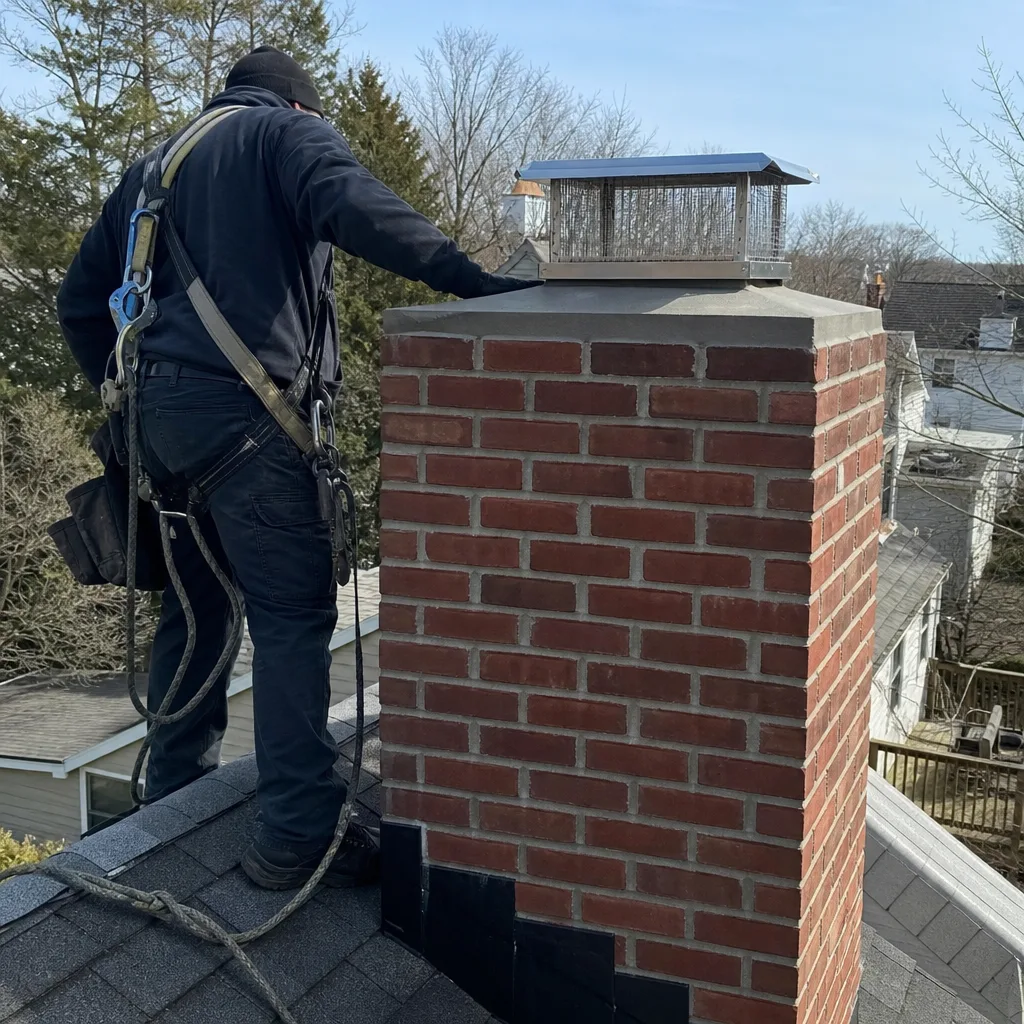 After
AfterWhy Cambridge Homeowners Choose HeatShield Chimney Cleaning
We provide independent Heatshield repair in Cambridge, Massachusetts, specializing in Cerfractory liner resurfacing, crack repair, and moisture-related failure restoration for the city’s aging masonry chimneys. Our Level 2 camera inspections document every flue condition with photos you can see, and we use only genuine HeatShield materials, never aftermarket substitutes that can’t handle Cambridge’s freeze-thaw cycles. As an independent HeatShield service provider, we’re not affiliated with or authorized by the manufacturer, which means our recommendations are based on what your chimney actually needs, not a corporate protocol. Call us at (857) 392-4709 for a free estimate.
Cambridge’s housing stock is overwhelmingly pre-1930, dominated by three-decker multifamily buildings, Federal-style brick rowhouses, and late-Victorian wood-frames, most fitted with original multi-flue masonry chimneys that are now well over 100 years old. Repeated conversions from coal to oil to gas have left many of these chimneys with mismatched or improperly sized clay tile liners, abandoned flues, and crumbling refractory mortar that a standard cleaning will expose. When we find a HeatShield lining in these conditions, we’re working with flues that were never designed for modern appliances and have been patched through decades of partial repairs.
Cambridge’s dense stock of pre-1920 triple-deckers and brick Victorian row houses, heavily concentrated in neighborhoods like Cambridgeport, East Cambridge, and Malden, means a single original masonry chimney routinely contains multiple flues serving separate rental units, each relined or modified piecemeal as the building converted from coal to oil to gas over decades. Because over 60% of Cambridge’s housing is rental, often with absentee landlords or institutional owners tied to Harvard and MIT, these multi-flue chimneys frequently go uninspected for years despite the city’s aggressive rental housing enforcement, making Cambridge a market where chimney sweeps must be as much code-compliance educators as cleaners. We’ve opened cleanouts in East Cambridge triple-deckers and found four flues in one chase, each relined at a different decade with a different material, a configuration that requires a Level 2 camera inspection per flue before any sweep can confirm what is actually venting where.
Why Trust Hearthstone Chimney Co. for Your HeatShield Chimney Cleaning?
We’ve been applying, inspecting, and repairing HeatShield Cerfractory systems in Cambridge for years. Russell Haines, our owner, learned the trade at Los Angeles Trade-Technical College before making his way east, and he and his crew have spent years servicing chimneys across Cambridge, including the older brick-stack homes along Brattle Street that have a way of humbling even an experienced sweep. He keeps a short, handwritten list of every chimney his team has serviced, not because he has to, but because it matters to him that the work is remembered. That same attention carries into how we handle HeatShield repairs: we photograph the flue before we touch it, document what we find, and explain it in plain English before we quote any work.
Our technicians are background-checked, uniformed, and trained specifically on our Chimney Cleaning & Sweep services and HeatShield’s application requirements. The Cerfractory compound demands precise surface prep, controlled moisture conditions during cure, and proper keying at tile joints. Skip any of that and the coating delaminates. We’ve seen enough failed DIY and cut-rate applications to know the difference. We stock genuine HeatShield 2000 and HeatShield 3000 compounds, plus HeatShield Insulation Mix for parging repairs, so most jobs are completed in a single visit. If it needs doing, we will tell you. If it does not, we will tell you that too.
We’re not authorized by HeatShield. That independence is the point. Manufacturer-authorized shops sometimes follow a playbook that favors replacement over repair. We look at the actual flue, the actual damage pattern, and the actual conditions in your Cambridge chimney, then recommend what will last. Our 90-Day Done Right Promise covers every job in writing with no arguing. The number on your estimate is the number on your invoice.
Common HeatShield Chimney Cleaning Problems We Fix in Cambridge
- Cerfractory coating delamination from thermal shock or improper cure. HeatShield 2000 and 3000 compounds must cure under specific temperature and humidity conditions. In Cambridge’s older chimneys with poor draft or oversized flues, the original application sometimes never cured properly, or a chimney fire shocked the lining into separation. We find sections of coating hanging like wallpaper, exposing raw flue tile and creating hazardous gaps. Our repair involves removing the failed material, re-prepping the surface with proper etching and bonding agents, and reapplying the correct HeatShield compound under conditions that ensure full cure.
- Surface cracking from repeated over-firing or chimney fires. Cambridge’s long heating season pushes wood-burning systems hard. When a HeatShield lining has been subjected to temperatures beyond its rated threshold, spiderweb cracking appears across the surface. These cracks compromise the barrier and allow creosote to seep behind the coating, where it degrades the bond and creates a hidden fire risk. We map the crack pattern with our camera, determine whether the damage is superficial or structural, and either patch with HeatShield 2000 or recommend full relining if the tile substrate is compromised.
- Adhesion failure at flue tile joints where material was not keyed properly. HeatShield must be worked into the mortar joints between tiles to create a mechanical lock. In hasty applications, the compound bridges across the joint instead of keying into it. Thermal expansion does the rest, and a section peels away, sometimes blocking the flue. We see this most often in Cambridge’s rental properties where previous owners chose the cheapest bid. Our repair opens the joint, removes loose material, and re-applies with proper keying technique.
- Moisture infiltration from failed crowns or flashing. Cambridge’s 30-40 freeze-thaw cycles per winter destroy exposed lime-mortar joints and brick crowns. Water enters behind the HeatShield layer, freezes, spalls the underlying masonry, and breaks the Cerfractory bond. The tight urban lot spacing limits solar drying after rain and snowmelt, so the masonry stays wet longer. We were called to a 1920s Cambridgeport colonial where the homeowner complained of a persistent smoky odor from the fireplace even when not in use. Our Level 2 inspection revealed that the HeatShield Cerfractory lining had cracked along the rear flue wall, and creosote had migrated behind the coating and was leaching through the brick. We removed the failed section, cleaned and prepped the flue, and reapplied HeatShield 2000 to restore a smooth, sealed surface, then waterproofed the crown and replaced the flashing to stop the moisture that caused the initial failure.
- Efflorescence and salt degradation under the HeatShield layer. Cambridge’s older brick, fired from local clays with high soluble salt content, produces efflorescence that migrates through porous mortar. When this occurs beneath a HeatShield lining, the salt crystals pressure the bond from behind. We identify this during camera inspection by the characteristic white bloom pattern, address the moisture source, and determine whether the existing lining can be salvaged or must be stripped and restarted.
HeatShield Parts & Our Repair-vs-Replace Approach
We use only genuine HeatShield Cerfractory materials for repairs and resurfacing. Aftermarket substitutes don’t match the thermal expansion properties of the original compound and can fail prematurely, especially in Cambridge’s climate where the temperature swing from a cold start to full burn is extreme. We stock HeatShield 2000 for residential resurfacing, HeatShield 3000 for commercial-grade applications, and HeatShield Insulation Mix for parging and localized repair, all on our trucks.
Our repair-vs-replace decision is straightforward. If the existing HeatShield lining is less than 30% delaminated and the flue tiles beneath are structurally sound, we patch and resurface. If the delamination is extensive, if multiple tiles are cracked or missing, or if the flue is improperly sized for the appliance it serves, we’ll honestly recommend a full relining with a stainless system or a complete rebuild. A patch that won’t last is money thrown away. We’ll show you the camera footage and explain which category you’re in. Call (857) 392-4709 and we’ll come look.
Our HeatShield Service Process - Step by Step
- 1
Diagnosis with Level 2 camera inspection. We run a high-resolution camera the full length of every flue, photographing the HeatShield surface condition, tile joints, mortar integrity, and any signs of moisture infiltration or creosote migration. You see the photos. We explain what they mean. The inspection includes your flue’s dimensions and appliance connection points, which determine whether HeatShield resurfacing is even appropriate.
- 2
Surface prep and repair. For resurfacing jobs, we mechanically remove all loose or delaminated HeatShield material, etch the remaining surface to create profile for bonding, and repair any tile or mortar defects with HeatShield Insulation Mix. Moisture content in the flue is tested before application. Cambridge’s humid summers and freeze-thaw winters make this step critical. A damp flue guarantees failure.
- 3
HeatShield application and cure. We apply HeatShield 2000 or 3000 with proper thickness per the product specification, keyed into all mortar joints, and control the cure environment. In winter, this sometimes means temporary heating of the flue chamber. We don’t rush it.
- 4
Post-application testing and documentation. We re-run the camera to verify a continuous, smooth surface with no holidays or thin spots. We pressure-test where appropriate. You receive photos, a plain-English verdict, and written documentation of the work for your records.
HeatShield Products We Service & Install in Cambridge
We work with the full HeatShield Cerfractory system line: HeatShield Cerfractory Flue Sealant for complete resurfacing of sound clay tile flues; HeatShield 2000, the standard residential resurfacing compound for fireplaces and wood stoves; HeatShield 3000, the commercial-grade formulation for higher-duty applications; and HeatShield Insulation Mix for parging smoke chambers, repairing tile joints, and localized structural reinforcement. We do not install HeatShield in flues that are structurally unsound, improperly sized, or venting appliances the product is not rated for. That restriction protects you and keeps our work covered under our 90-Day Done Right Promise.
We Also Service These Brands
We’re not a single-brand shop. Hearthstone Chimney Co. services and installs DuraFlex stainless liner systems, Gelco chimney caps and accessories, plus products from Olympia Chimney, Famco, and Copperfield. Our technicians carry the training and inventory to diagnose across brands and recommend what fits your chimney’s condition, not what fits a dealer agreement. If your Cambridge chimney needs a solution beyond HeatShield, we’ll tell you directly and handle the alternative in-house.
FAQs - HeatShield Chimney Cleaning Service in Cambridge
No. We are an independent HeatShield service provider, not affiliated with or authorized by the manufacturer. We use genuine HeatShield materials and follow proper application methods, but we make our own recommendations based on your chimney’s actual condition rather than a corporate service protocol. Our independence means we can recommend repair when a manufacturer-authorized shop might push replacement, or suggest a non-HeatShield solution when that’s the better long-term fix.
Yes, in most cases. Peeling or cracking HeatShield can often be repaired by removing the failed sections, re-prepping the flue surface, and reapplying the correct Cerfractory compound. If the underlying flue tiles are structurally sound and the damage covers less than about 30% of the surface, repair is usually the right call. We’ll confirm with a Level 2 camera inspection. Call (857) 392-4709 to schedule.
You don’t, not without looking. A HeatShield lining can appear intact from the firebox while hiding delamination, cracking, or creosote infiltration behind the surface. The only reliable method is a Level 2 camera inspection that runs the full flue length. We document what we find with photos you can see and give you a plain-English verdict on whether the lining is sound, repairable, or needs replacement. If you’re unsure when your HeatShield was last inspected, it’s worth checking.
HeatShield Cerfractory systems are rated for open fireplaces and certain wood-burning appliances, but compatibility depends on the insert’s venting requirements, flue diameter, and the condition of the existing tile liner. Some inserts require a listed stainless liner system instead. We verify this during our Level 2 inspection by measuring the flue and checking the appliance installation manual. We won’t apply HeatShield where the product specification doesn’t support it.
Cambridge’s 30-40 annual freeze-thaw cycles attack the masonry behind the HeatShield layer, especially when crowns or flashing have failed. Moisture enters, freezes, expands, and breaks the Cerfractory bond from behind. The city’s tight lot spacing also keeps masonry damp longer by limiting sun exposure. Combined with century-old chimneys that have seen multiple fuel conversions and patchwork repairs, these conditions make moisture management, not just surface coating, the key to lasting HeatShield performance. We address both.
Yes. We use only genuine HeatShield Cerfractory compounds, including HeatShield 2000, HeatShield 3000, and HeatShield Insulation Mix. Aftermarket substitutes with mismatched thermal expansion coefficients have no place in our work. We stock these materials locally and complete most repairs in a single visit. Call (857) 392-4709 for a free estimate.
A Level 2 inspection with camera documentation typically runs $250-$350 for a standard Cambridge single-family flue. HeatShield resurfacing repair ranges from $800-$1,800 depending on flue height, accessibility, and the extent of surface prep required. Full Cerfractory resurfacing of a multi-flue triple-decker chimney can run higher due to the additional flues and common chase configuration. We provide no-hassle upfront pricing before any work begins. The number on the estimate is the number on the invoice. Call (857) 392-4709 for an exact quote, estimates are free.
Book Your HeatShield Service in Cambridge, MA
Call (857) 392-4709 any time, day or night. A live person answers every call, 24 hours a day, 7 days a week. We’ll schedule your Level 2 inspection, show you exactly what your HeatShield flue looks like, and quote honest repair or replacement options with our 90-Day Done Right Promise in writing. We’ve served Cambridge and surrounding communities like Somerville for over 42 years, and we plan to be here when your chimney needs us next.
Written by Russell Haines, Owner at Hearthstone Chimney Co., serving Cambridge since 1984.