
Level 1 sweep and inspection to the NFPA 211 annual standard - flue, crown, cap, and flashing checked and photographed
Chimney sweep logs do not sweep chimneys. They loosen some creosote - which then falls where a brush and vacuum still have to collect it.
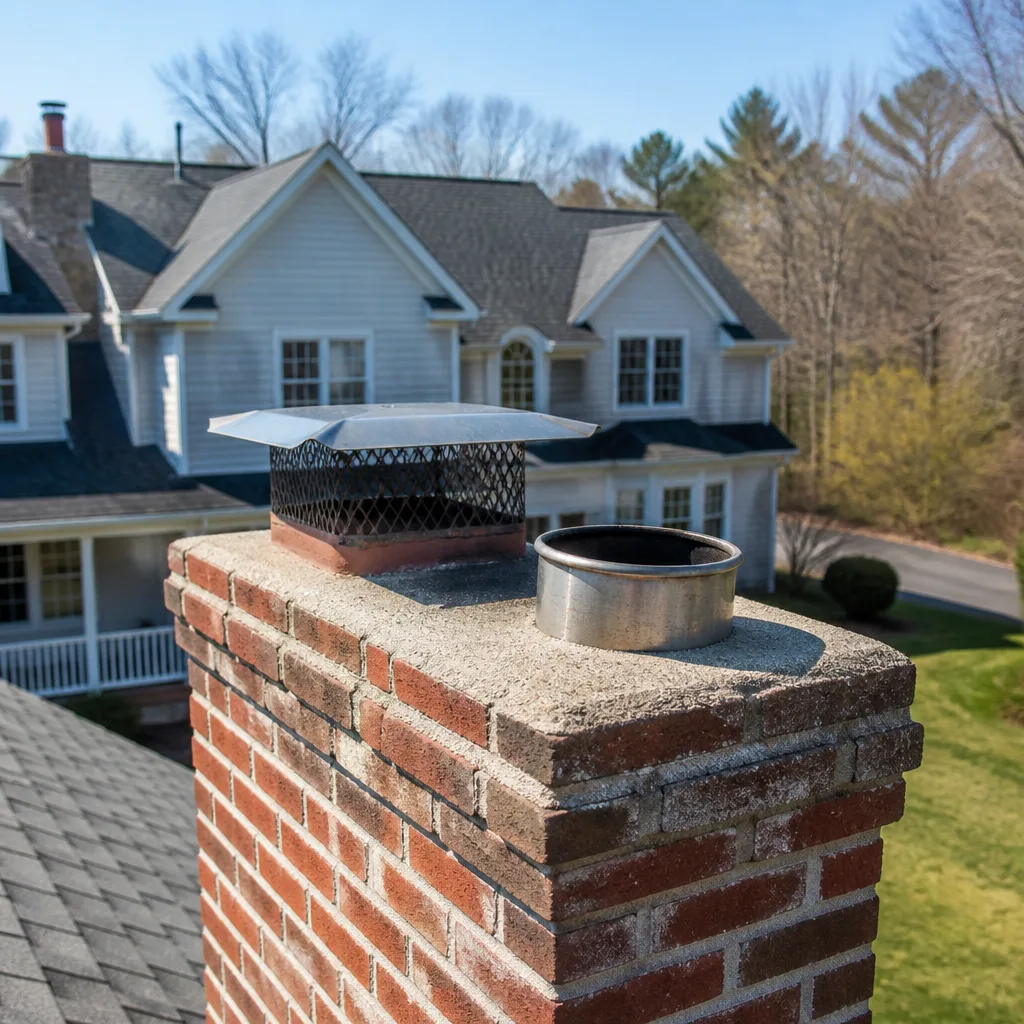
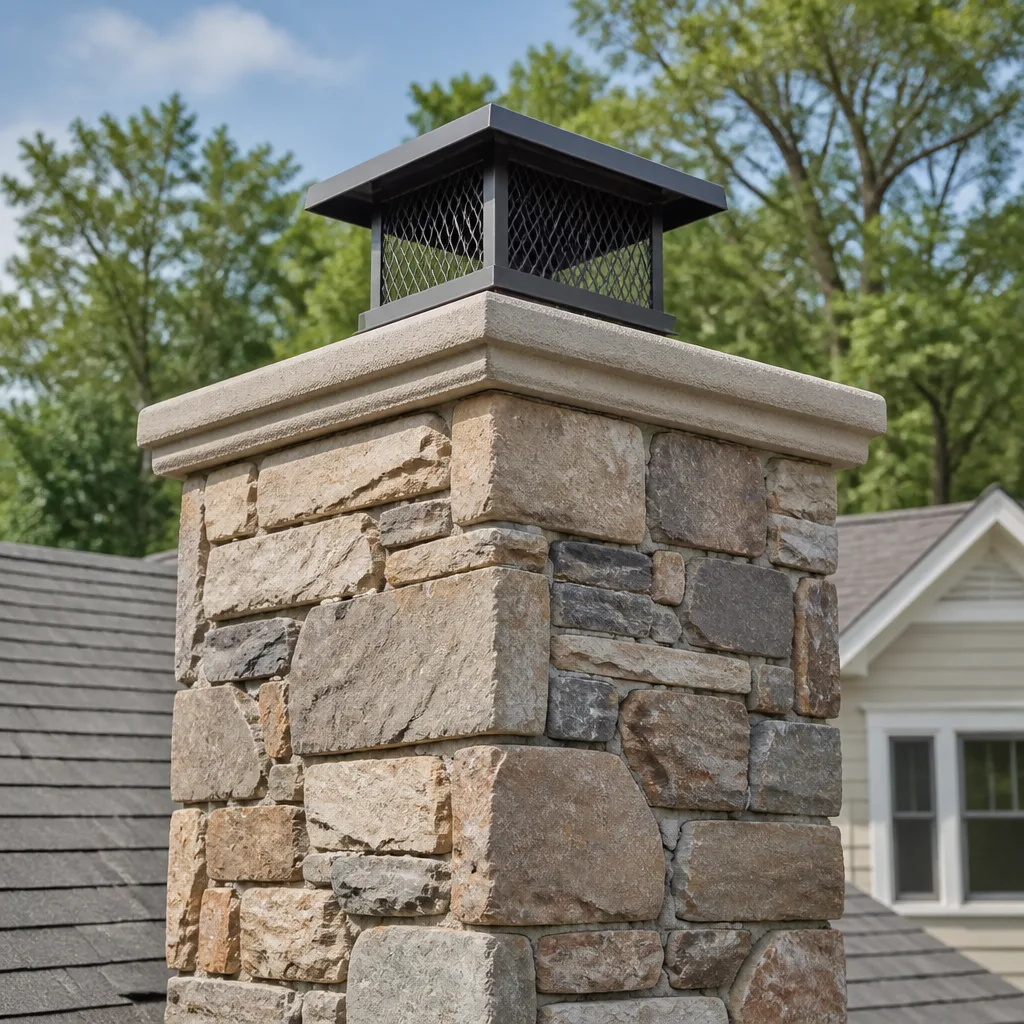
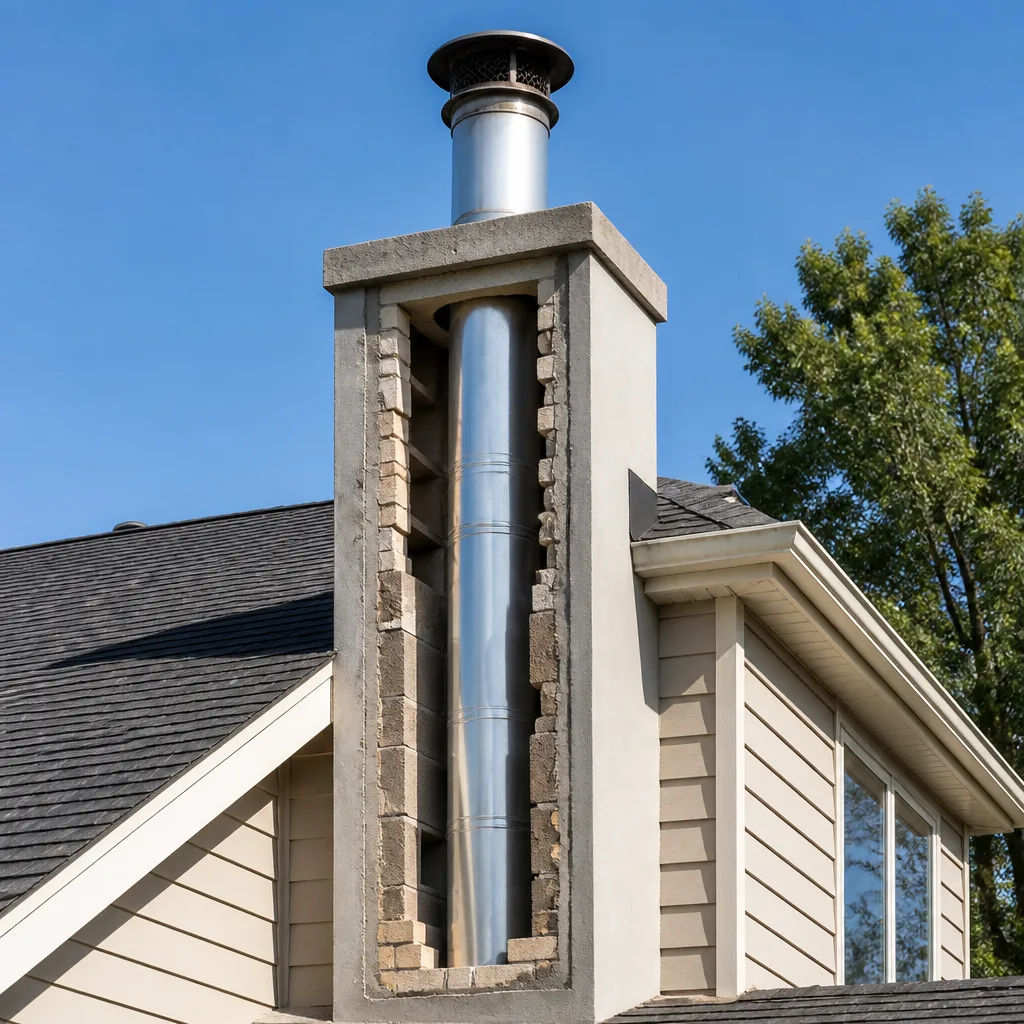
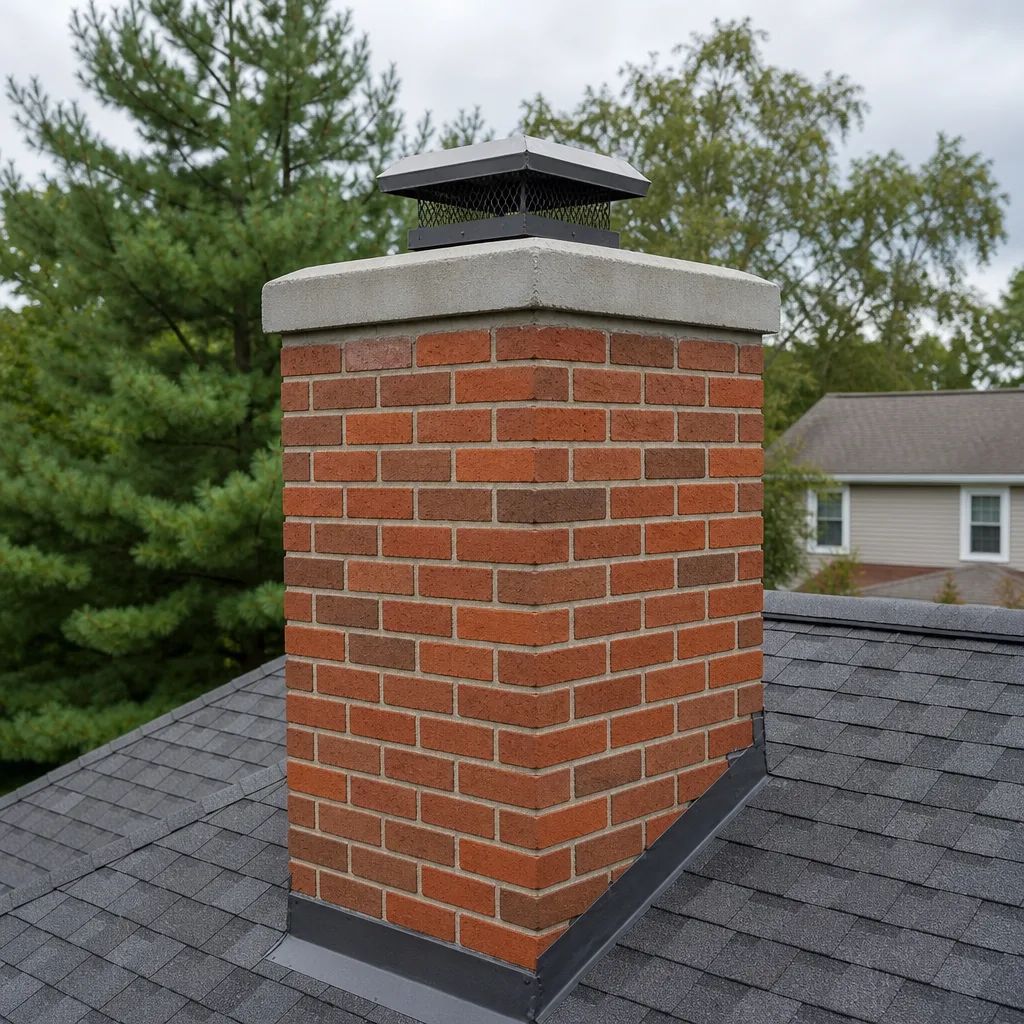
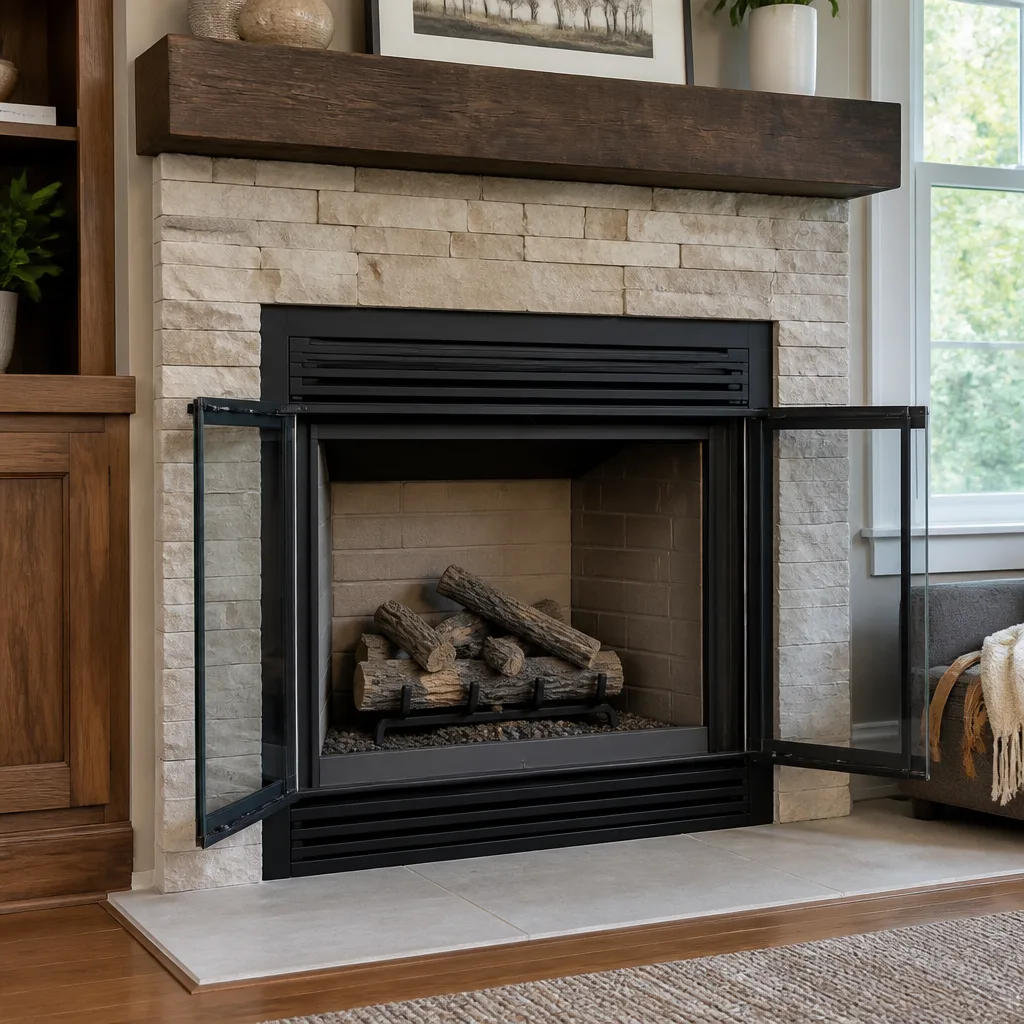
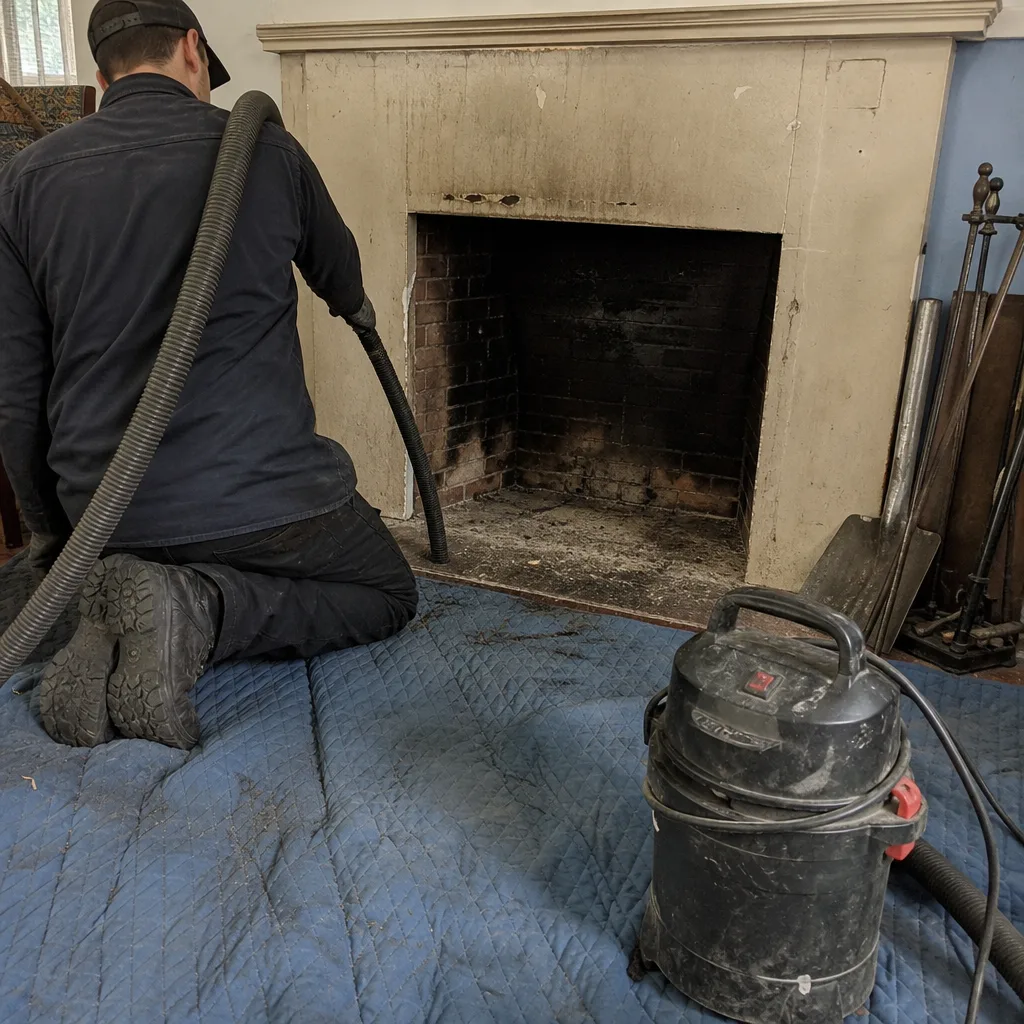 Before
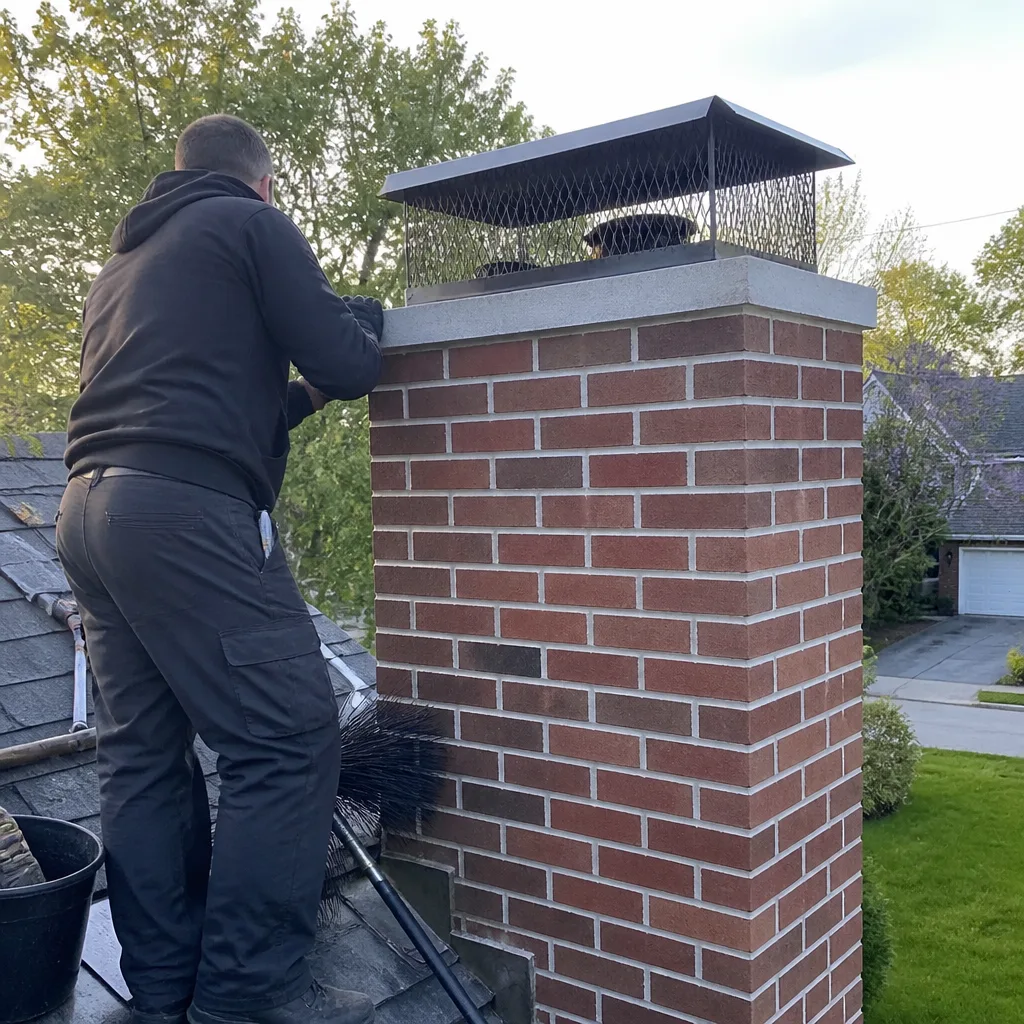 After
After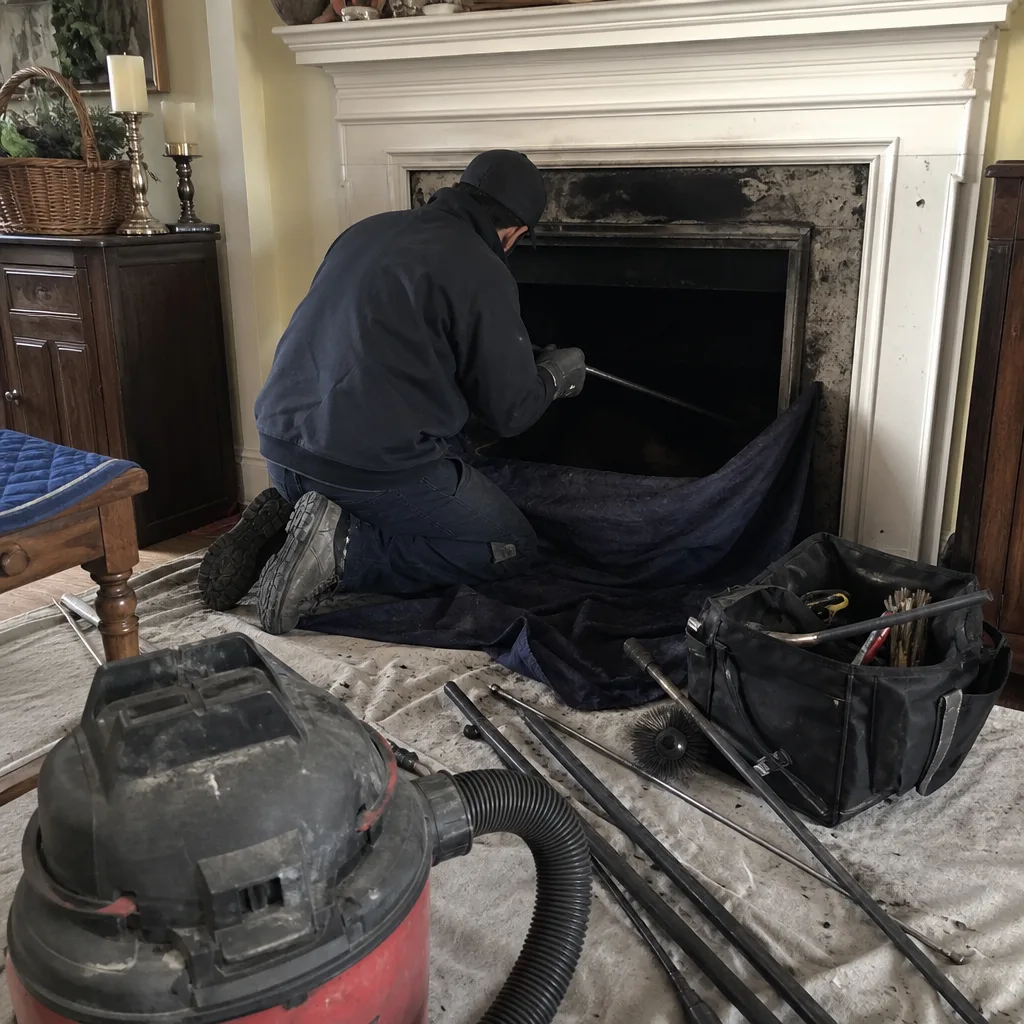 Before
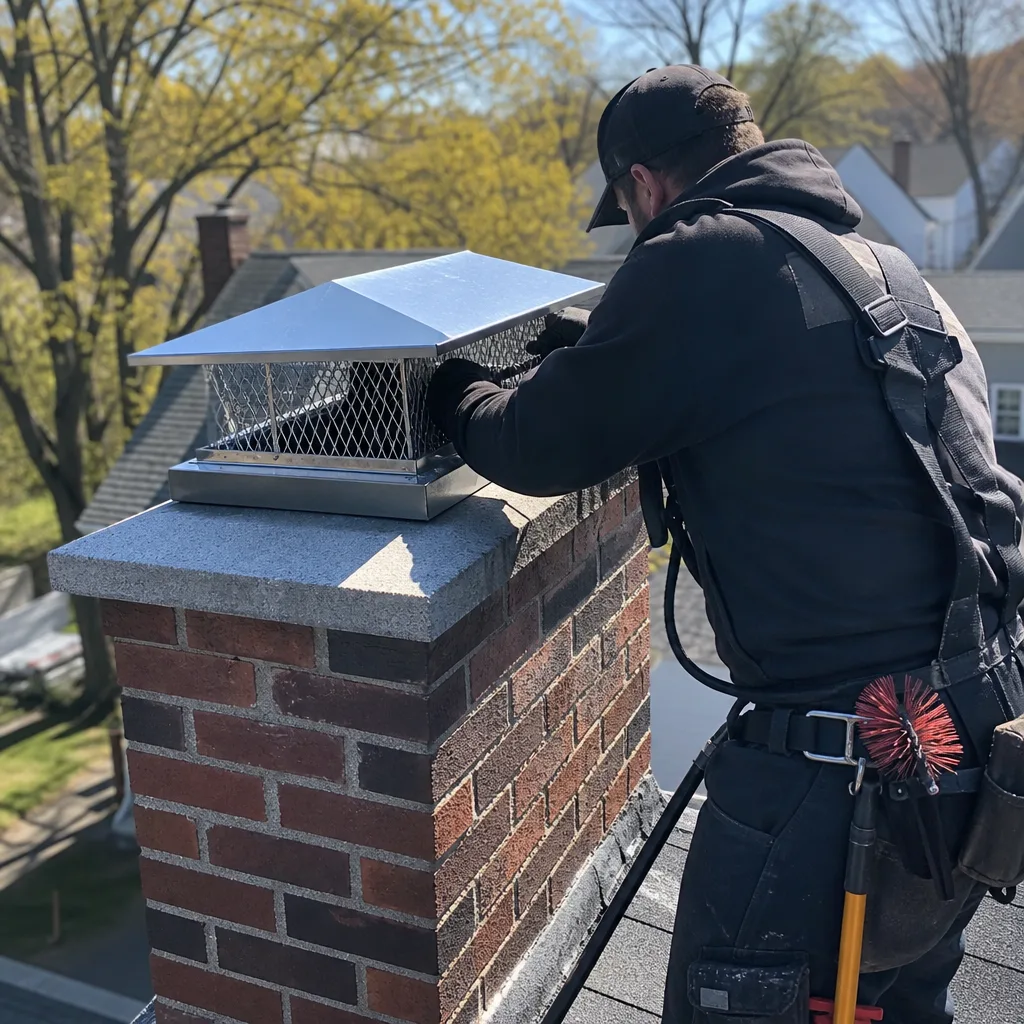 After
After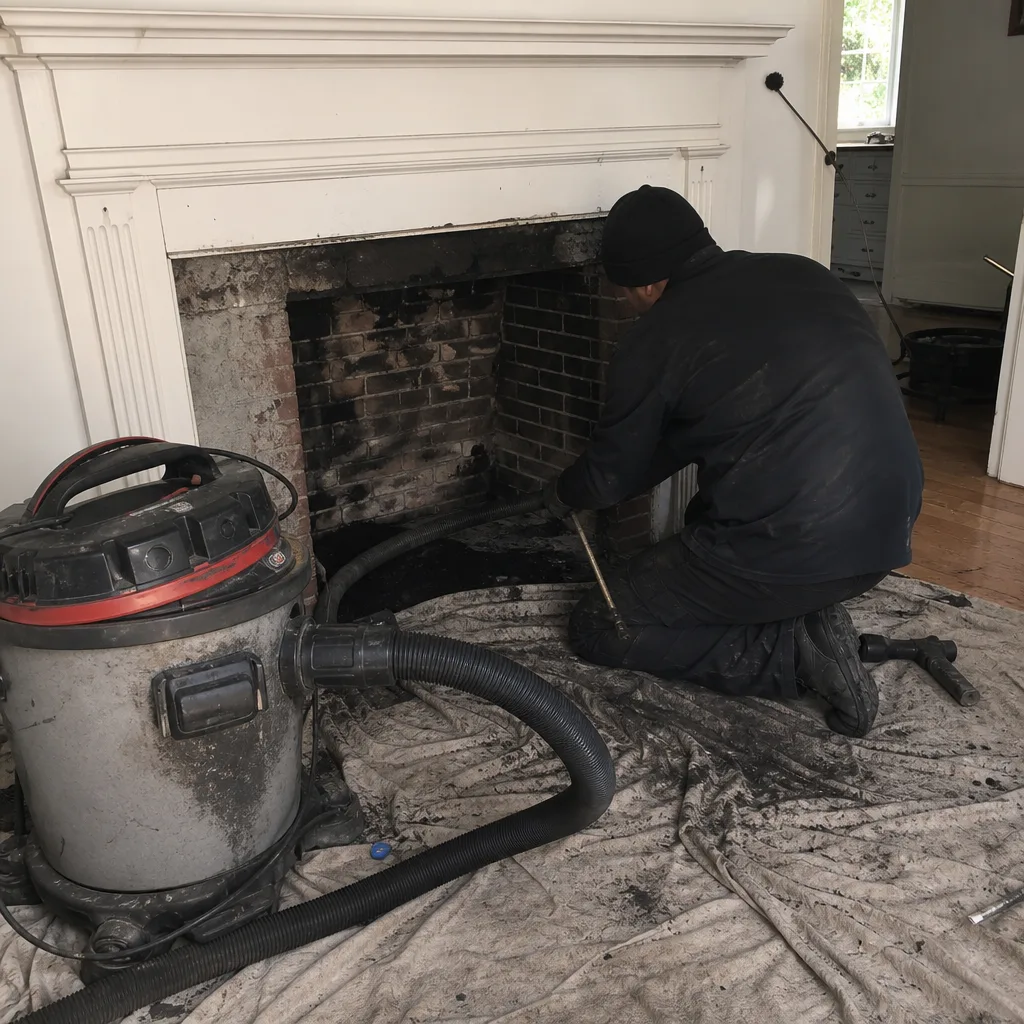 Before
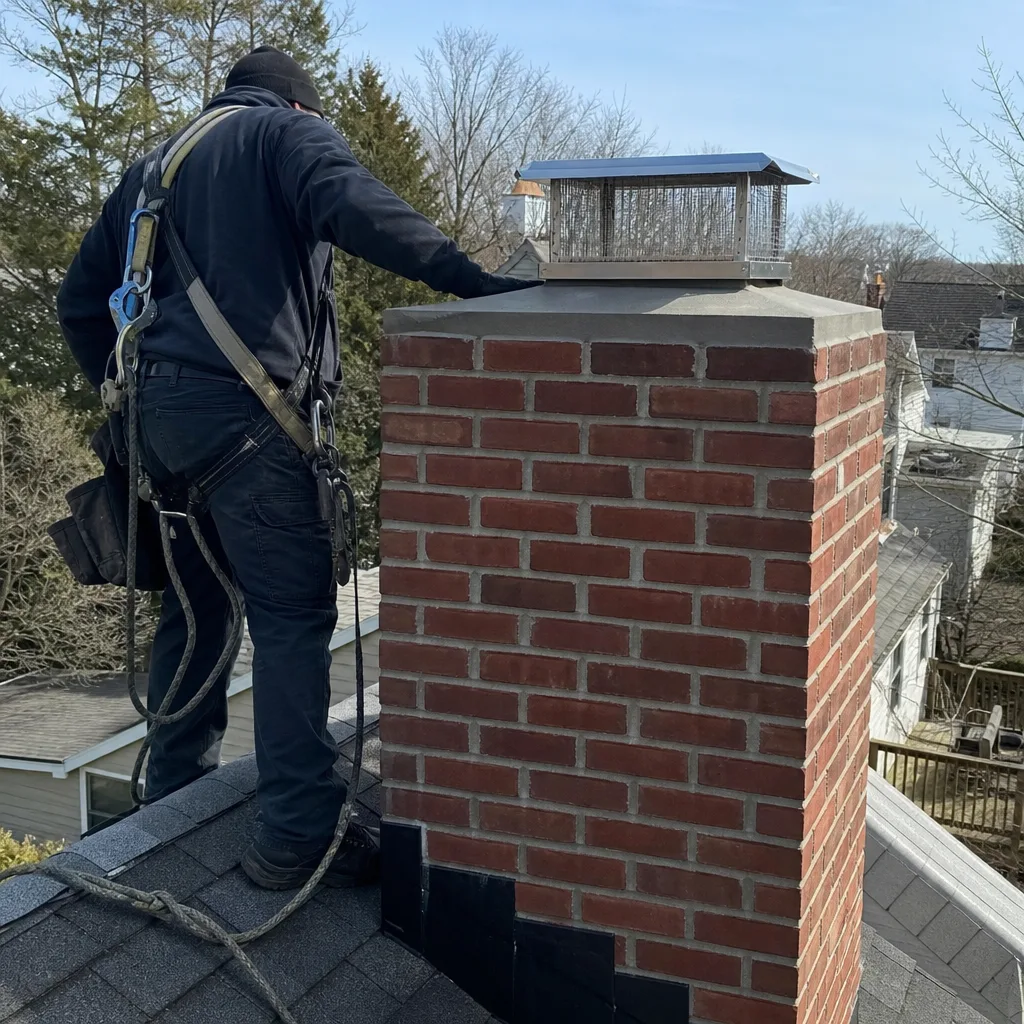 After
AfterMortar Repointing in Cambridge, MA
Mortar repointing is the repair process of cutting out deteriorated mortar joints on a chimney and packing them with fresh, properly mixed mortar. In Cambridge, where brick chimneys on triple-deckers and century-old colonials face freeze-thaw cycles every winter, repointing is one of the most common – and most overlooked – our Chimney Repair services we provide. Left alone, crumbling joints let water in behind the brick, and once that happens, the repair bill stops being a repointing job and starts being a rebuild conversation.
If you’ve noticed crumbly white powder on your bricks, gaps you can fit a finger into, or mortar crumbling loose after last winter, call us at (857) 392-4709. We’ll come out, photograph exactly what’s happening, and give you a plain-English explanation of what needs to be done and what it will cost – before any work begins.
Repointing falls under our broader Chimney Repair in Cambridge services, and it’s handled by the same background-checked, uniformed technicians who do crown repairs, liner work, and full rebuilds. Most repointing jobs are completed in a single visit.
When You Need Mortar Repointing
Mortar does not last forever. A well-built chimney in Cambridge can have original mortar that holds up for 25 to 30 years, but that’s assuming the joints were mixed correctly to begin with – something that isn’t always the case in homes built quickly during the post-war housing expansions in neighborhoods like Cambridgeport and Area IV. Here are the situations that tell us repointing is overdue.
- Gaps you can see or feel between the bricks. When joints have receded a quarter-inch or more, they’re no longer doing their job. Water sits in those gaps, freezes, expands, and the crack gets a little wider every spring.
- White chalky powder (efflorescence) on the chimney face. This is dissolved salt left behind as water moves through the masonry. It’s a direct sign that moisture is traveling through the joints – often because they’re compromised.
- Soft or crumbling mortar that brushes away with your hand. Run your finger along a joint on an accessible section of your chimney. If the mortar comes off as powder or small chunks, it’s failed. Sound mortar feels hard, like old concrete.
- Staining or dampness on the interior wall near the fireplace. In Cambridge’s older row houses and attached homes in Inman Square or Mid-Cambridge, a chimney that shares a wall with living space will often telegraph water intrusion as a damp patch or faint brown stain before the damage becomes visible outside.
- A chimney that went through a recent freeze-thaw season without any maintenance. The winters we see in Cambridge – repeated cycles of a few degrees above and below freezing from December through March – are exactly the conditions that exploit small cracks and turn them into significant joint failure over two or three seasons.
- A home inspection flagged mortar deterioration. If you bought a home in Cambridge in the last couple of years and the inspection report mentioned tuck-pointing or repointing, now is the time to address it before another winter adds to the damage.
Our Mortar Repointing Process
Repointing is not a difficult concept, but it is a job where shortcuts show up fast – usually the following winter. We’ve been doing this since 1984, and the process hasn’t changed much because it didn’t need to. What matters is preparing the joint correctly, using the right mortar mix for the age of the chimney, and making sure the new mortar bonds fully before the job is called done.
- Visual inspection and Level-2 camera review. Before we touch a joint, we assess the full chimney – cap, crown, flashing, and the flue itself. A repointing job that skips this step sometimes fixes the surface while missing a larger structural problem underneath. We photograph every section and walk you through what we find. Photos you can see, a plain-English verdict.
- Joint preparation – cutting and raking. We cut out the damaged mortar to a consistent depth, typically three-quarters of an inch to an inch. This is done carefully to avoid disturbing the bricks themselves, which matters especially on older Cambridge chimneys built with softer historic brick that can crack if the process is rushed or done with the wrong tools.
- Cleaning the joints. Loose debris, dust, and old mortar fragments are removed from each joint before packing begins. This is the step most shortcuts skip. New mortar will not bond to a dusty, contaminated surface, and a repointing job that fails in year two almost always traces back to poor joint prep.
- Mortar selection and mixing. We match the mortar type – Type S or Type N, depending on the chimney’s age and brick hardness – to what was originally used. Applying a mortar that’s too hard to a chimney built with softer brick causes the brick face to spall rather than the joint. This is a common mistake with contractors who use one mix for every job. We use professional-grade materials from trusted industry sources, including DuraFlex products where flexible repointing compounds are the right call for a joint that’s subject to thermal movement.
- Packing and tooling the joints. Fresh mortar is packed in layers and tooled to match the original joint profile. A concave joint sheds water better than a flat or slightly convex finish, so unless there’s a specific reason to match a historical profile exactly, that’s what we use on Cambridge chimneys.
- Final walk-through and documentation. When the work is done, we photograph the completed sections and review them with you. Every job is backed by the 90-Day Done Right Promise – in writing, no arguing. If something isn’t right within 90 days of our visit, we come back and correct it. No paperwork, no runaround.
Mortar Repointing Pricing in Cambridge
Mortar repointing in Cambridge typically runs between $400 and $2,500, depending on the size of the chimney, how many sides need work, how far the deterioration has progressed, and whether access requires scaffolding or a specialized lift. Most single-chimney repointing jobs on standard two- to three-story Cambridge homes fall in the $500 to $1,200 range when the damage is caught before it becomes structural, though you can read more in How Much Does Chimney Repair Cost? (2026 Price Guide) - Cambridge, MA.
| Scope of Work | Typical Price Range |
|---|---|
| Spot repointing (1-2 damaged sections, accessible) | $400 – $650 |
| Partial repoint (one or two full sides of chimney) | $650 – $1,200 |
| Full perimeter repoint, standard chimney height | $1,200 – $1,800 |
| Full repoint with scaffolding or difficult access | $1,800 – $2,500+ |
| Repointing combined with crown or cap repair | Add $200 – $600 depending on scope |
A few things that move the number up or down in Cambridge specifically: chimneys on attached row houses in Harvard Square or Agassiz that require working between buildings add time and sometimes require a different access approach. Older chimneys in North Cambridge built with softer historic brick require more careful hand work. And chimneys that share a party wall – common in the triple-deckers throughout East Cambridge and Wellington-Harrington – sometimes require coordination with the neighboring unit before exterior scaffolding can go up.
No-hassle upfront pricing means the number on the estimate is the number on the invoice. We don’t quote low and adjust upward after the work begins. If we open up a section and find additional damage that wasn’t visible before, we stop, photograph it, and talk to you before we proceed.
We currently offer $50 off any repair over $250, a 5% discount for seniors and veterans, and a free second opinion on any written estimate you’ve received from another company. Call (857) 392-4709 for an accurate, no-obligation quote.
Why Cambridge Chimneys Need Repointing More Often Than Most
Cambridge sits in a climate zone that’s hard on masonry. The city averages around 48 inches of precipitation per year, spread fairly evenly across all four seasons – which means chimneys here are dealing with wet conditions year-round, not just in spring. Add in the freeze-thaw cycle that typically starts in late November and runs through early April, and you have conditions that actively work against mortar joints every year.
The housing stock compounds this. A significant portion of Cambridge’s chimneys were built between 1890 and 1950, which means they were laid with lime-based mortars that, while appropriate for the brick used at the time, are now well past their expected service life in many cases. When those chimneys were repointed in the 1970s or 1980s – as many were – contractors often used a Portland cement mix that’s too hard and too rigid for the original softer brick. The result is mortar that doesn’t flex with the brick, leading to Spalling Brick Repair needs and accelerated joint failure. We see this pattern regularly in the older sections of Cambridge, particularly in Porter Square and the streets south of Harvard Street.
None of this is a reason to panic. It is a reason to get a chimney looked at by someone who knows the difference between a joint that needs attention and a joint that’s genuinely failing – and who will tell you plainly which one you’re looking at.
Repointing vs. a Full Chimney Rebuild
We get this question fairly often, and the answer matters because there’s a meaningful price difference between the two. Repointing is the right call when the brick itself is still in good structural condition and the joints are the primary problem. A rebuild becomes necessary when the brick faces have spalled severely, when sections of the chimney have shifted or separated, or when water has been getting in long enough that the internal structure is compromised.
The honest answer is that we don’t know which one applies to your chimney until we look at it. A proper Level-2 camera inspection, combined with a close exterior assessment, gives us a clear picture. We’re not in the business of recommending a $12,000 rebuild when a $900 repointing job will solve the problem – but we’re also not going to paper over a failing chimney with fresh mortar and send you a bill that buys you 18 months before you’re calling a different company about a bigger problem.
Our home page has a full overview of services if you’re trying to understand the full scope of what we do and how we approach chimney care. For anything that touches chimney structure, the right starting point is always a proper inspection.
Key Takeaways
- Mortar repointing in Cambridge typically costs $400 to $2,500 depending on chimney size, access difficulty, and scope of joint deterioration.
- Cambridge’s freeze-thaw winters and older housing stock make repointing one of the most frequently needed chimney repairs in the city.
- Correct mortar selection matters – too-hard Portland cement mixes cause brick spalling on older Cambridge chimneys and is a common error in less careful work.
- Most repointing jobs are completed in a single visit and covered by the 90-Day Done Right Promise, in writing.
- A Level-2 camera inspection confirms whether repointing is sufficient or whether structural repair is needed before the work begins.
- Free estimates, upfront pricing, and no-surprise invoices – the number we quote is the number you pay.
FAQs – Mortar Repointing in Cambridge
How much does mortar repointing cost in Cambridge, MA?
Mortar repointing in Cambridge runs roughly $400 to $2,500 for most residential chimneys, with the majority of single-chimney jobs landing between $500 and $1,200. The biggest cost variables are how much of the chimney needs work, whether scaffolding is required for access, and whether any brick damage has to be addressed alongside the joints. Call (857) 392-4709 for a free, no-obligation estimate – the number we give you is what you’ll see on the invoice.
How do I know if my Cambridge chimney needs repointing or a full rebuild?
Repointing is right when the brick is still structurally sound and the mortar joints are the primary problem. A rebuild is warranted when the bricks themselves are spalling badly, when the chimney has shifted or separated, or when prolonged water intrusion has damaged the internal structure. The only way to know for certain is a proper inspection – we use Level-2 camera equipment and document what we find with photos so you can see exactly what we’re looking at before any work is recommended.
Can you repoint a chimney in cooler weather, or does it have to wait until summer?
Mortar needs to cure above freezing temperatures – generally above 40 degrees Fahrenheit – and it should not be exposed to frost within the first 24 to 48 hours of application. In Cambridge, that means repointing is typically done from late April through October to be safe, though we can sometimes work earlier in spring if conditions are right. We won’t rush a job that needs specific curing conditions – mortar applied in the wrong temperature sets up weak and fails early, which is exactly the outcome we’re promising you won’t get.
How long does a mortar repointing job last?
Done correctly with the right mortar mix for your chimney’s brick type, a repointing job should last 20 to 30 years. The biggest reason repointing jobs fail early is poor joint preparation – mortar packed into a dusty or poorly cleaned joint, or a mix that’s too hard for the original brick. We use professional-grade materials including DuraFlex flexible repointing compounds where thermal movement is a factor, and every job is backed in writing by the 90-Day Done Right Promise.
Written by Russell Haines, Owner at Hearthstone Chimney Co., serving Cambridge since 1984.