
Last updated September 10, 2026
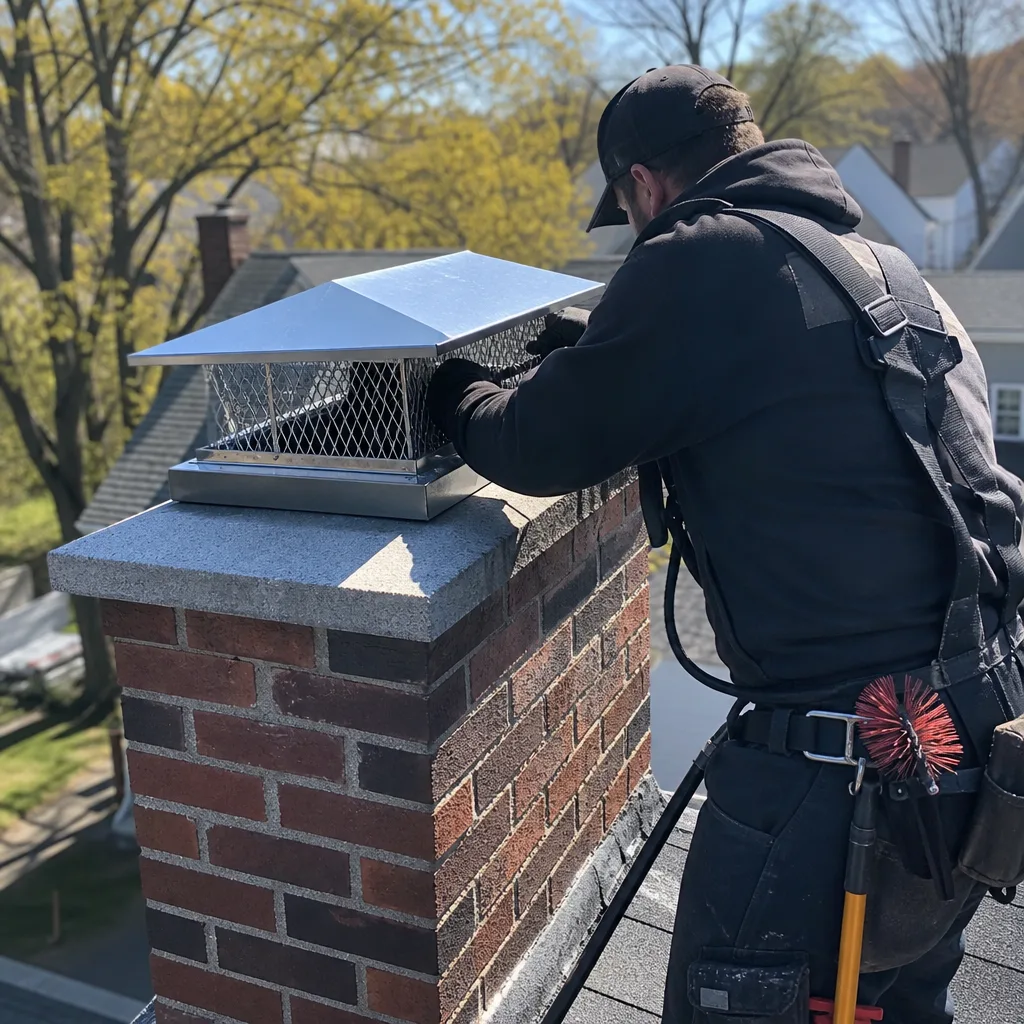
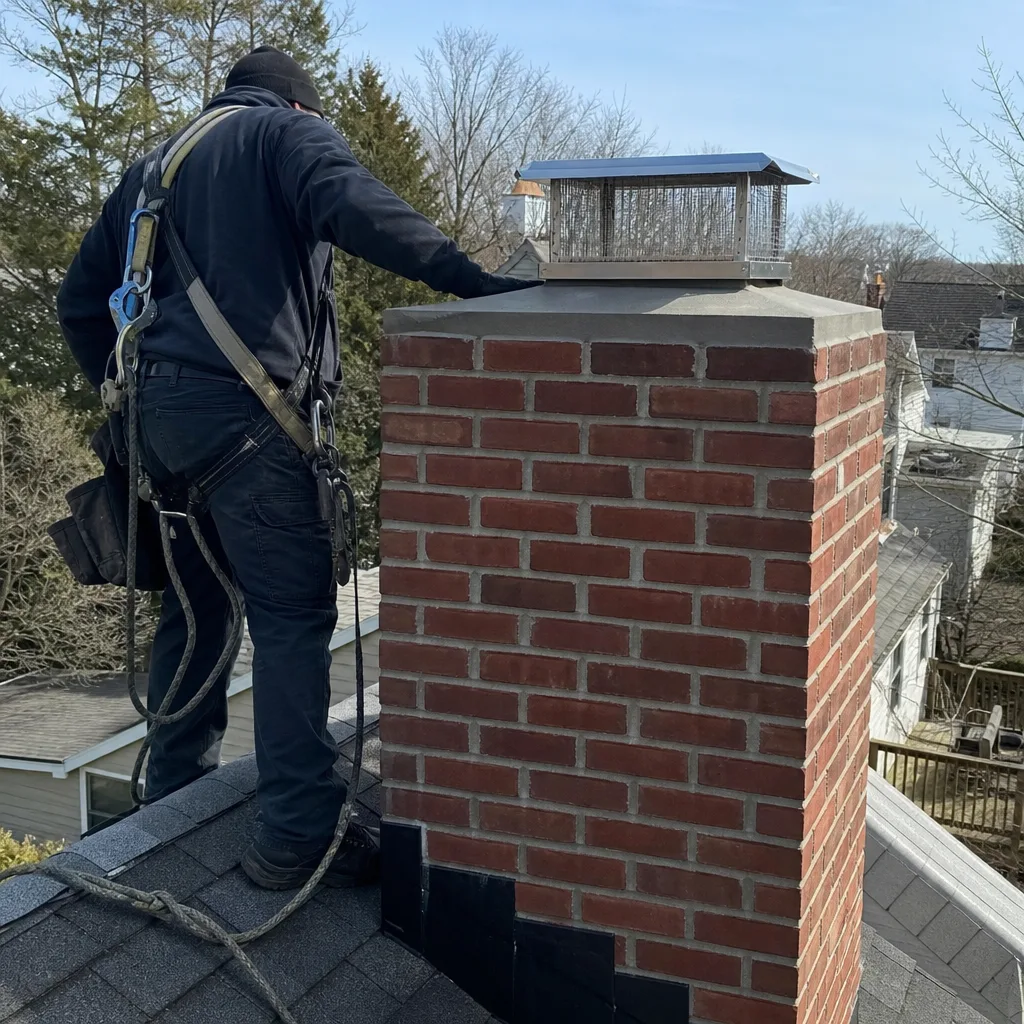
Level 1 sweep and inspection to the NFPA 211 annual standard - flue, crown, cap, and flashing checked and photographed
Chimney sweep logs do not sweep chimneys. They loosen some creosote - which then falls where a brush and vacuum still have to collect it.
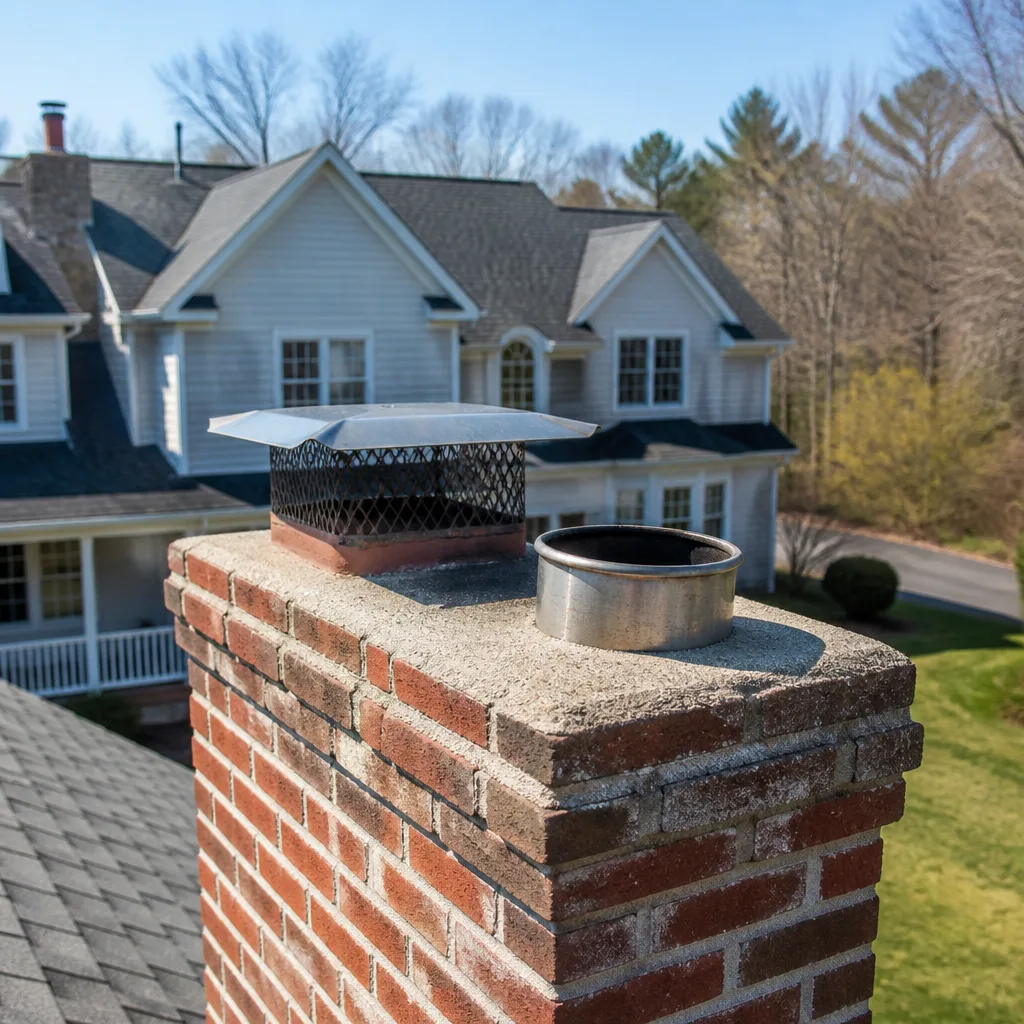
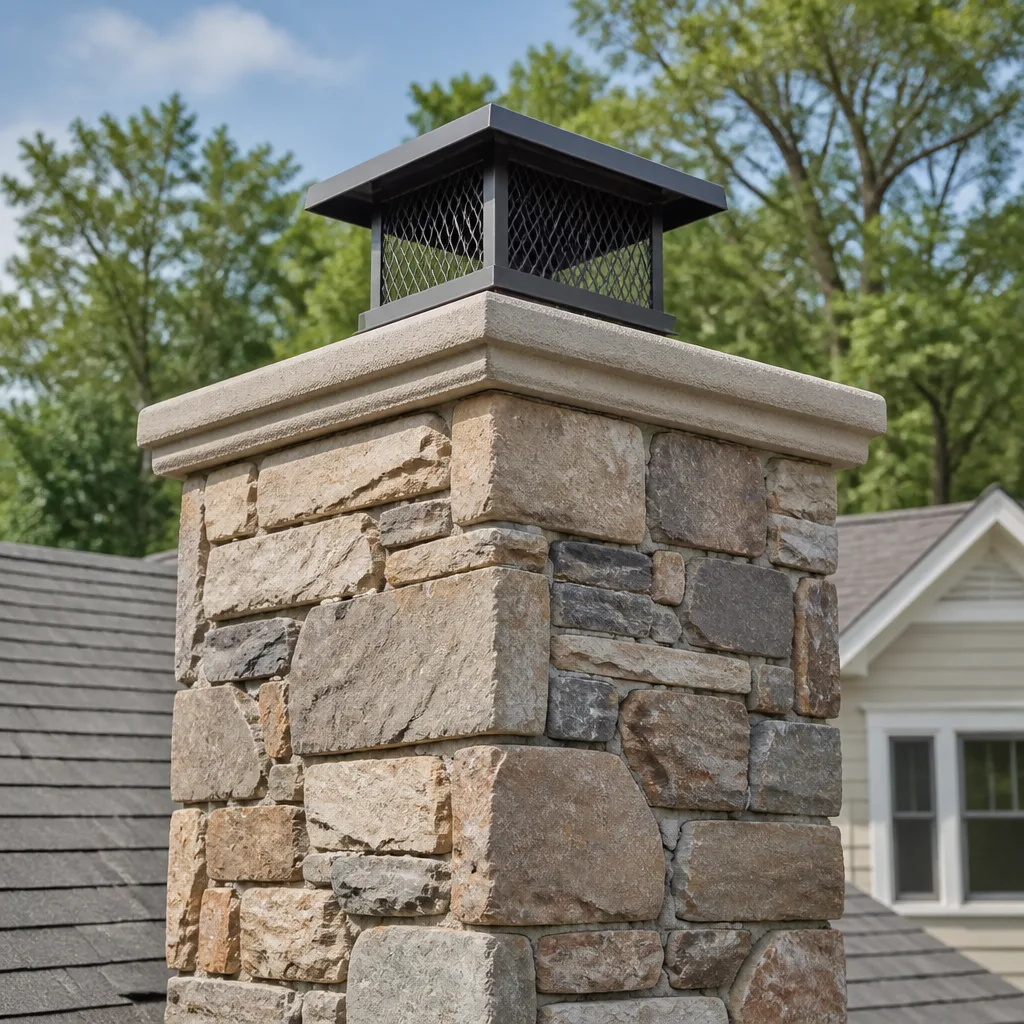
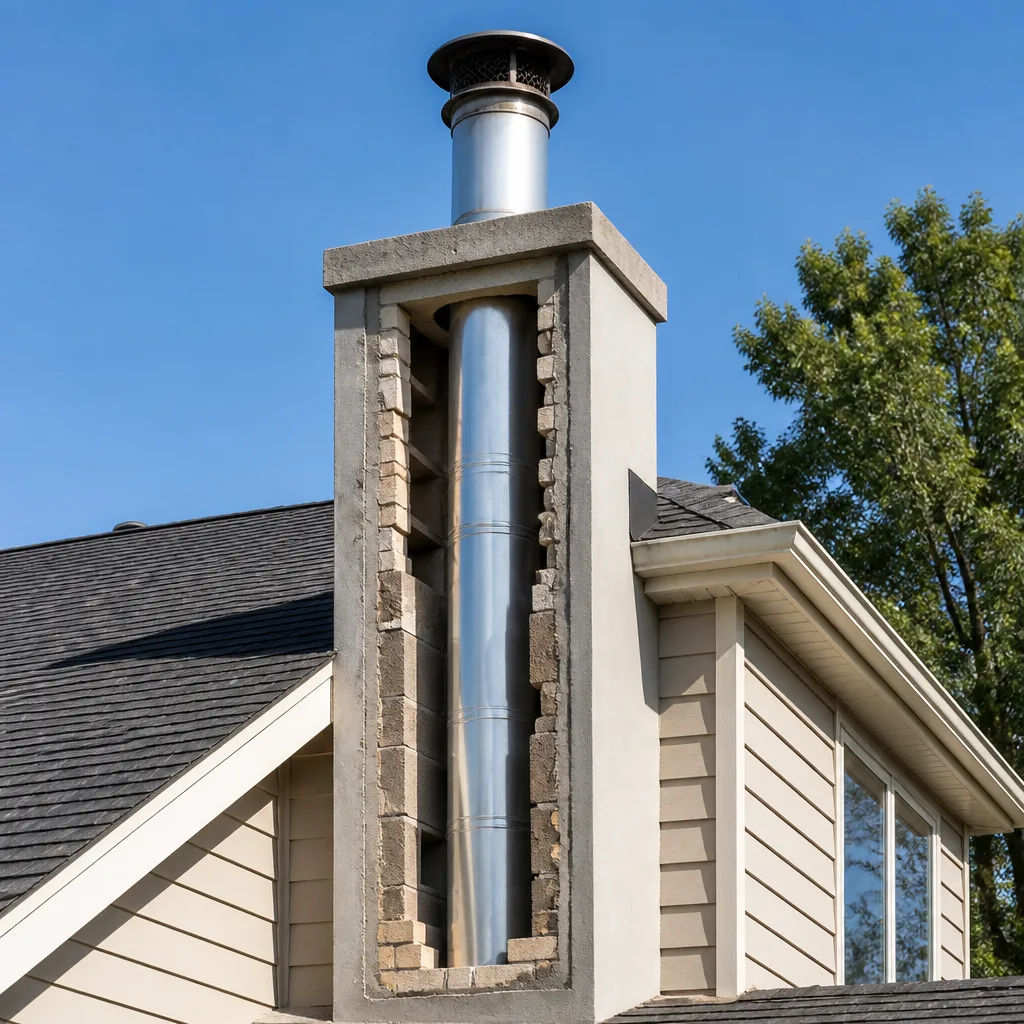
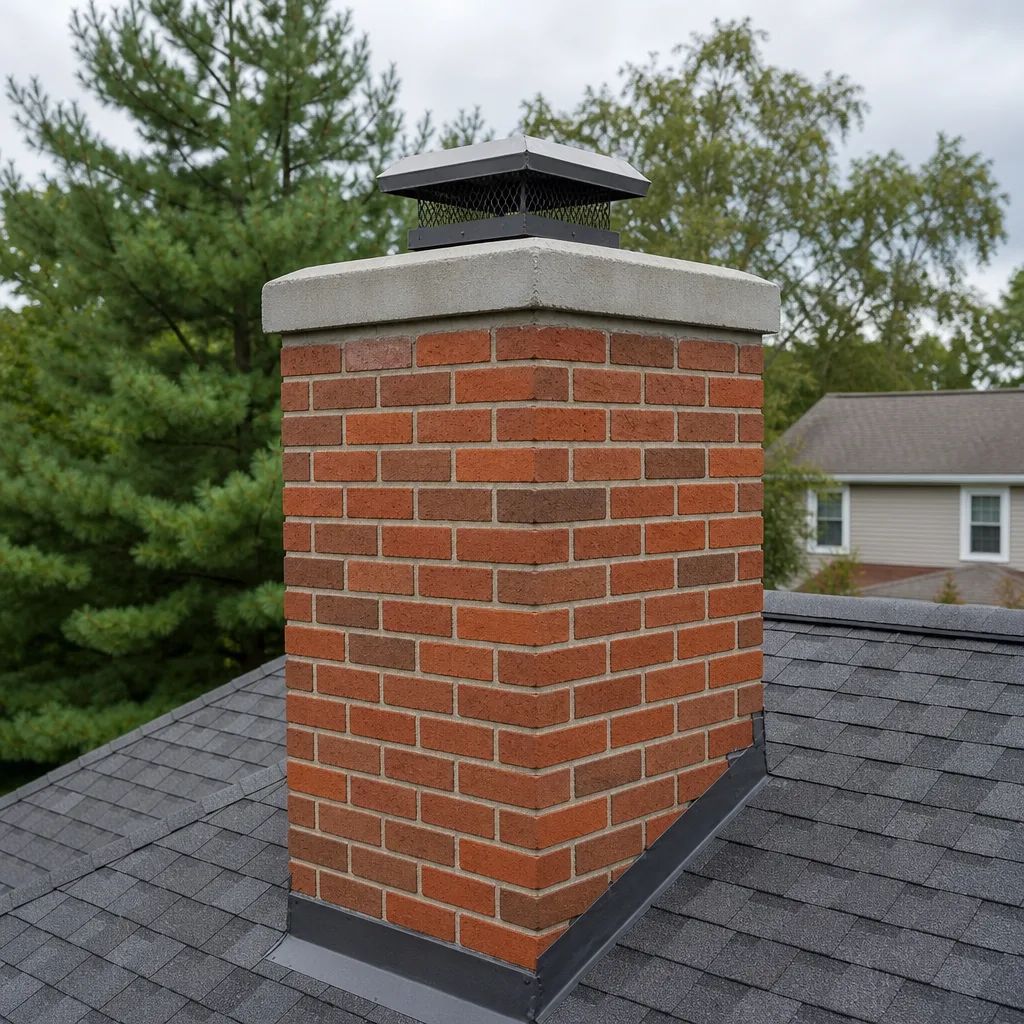
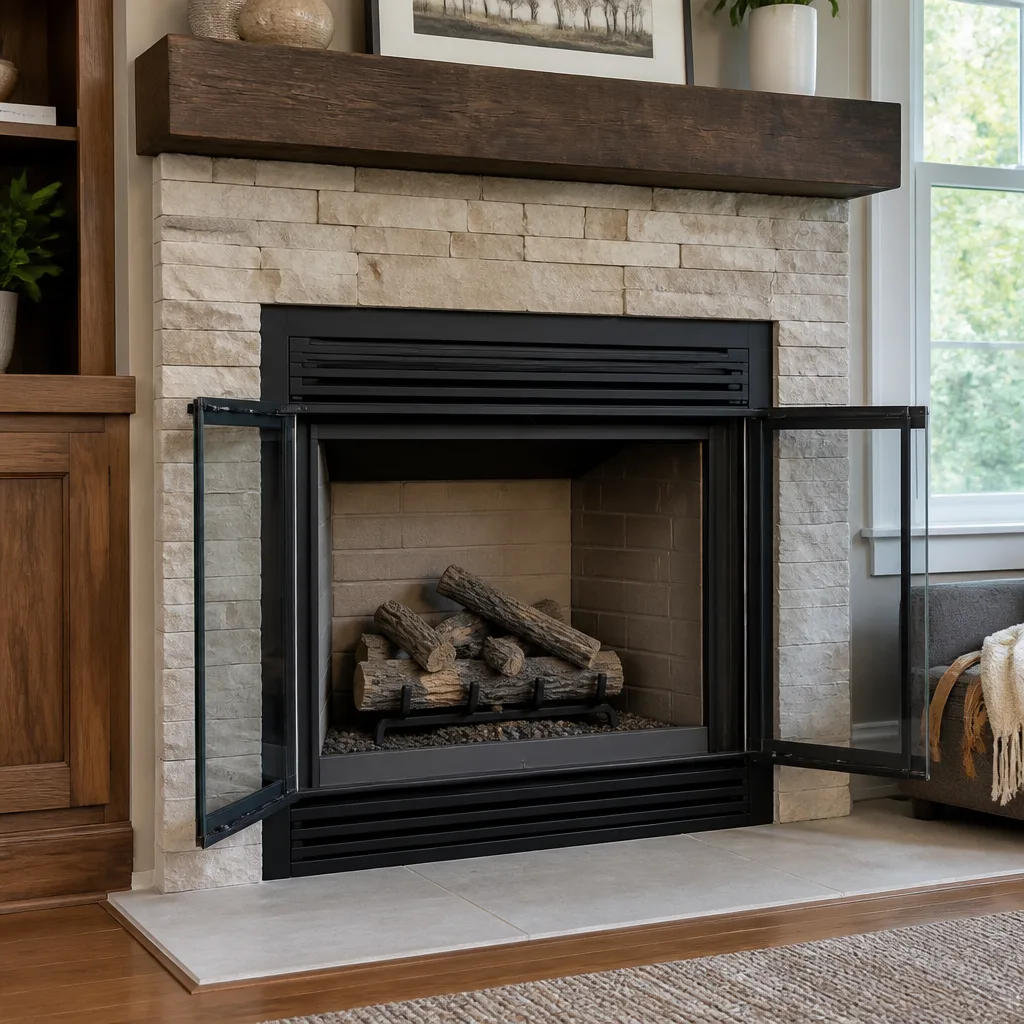
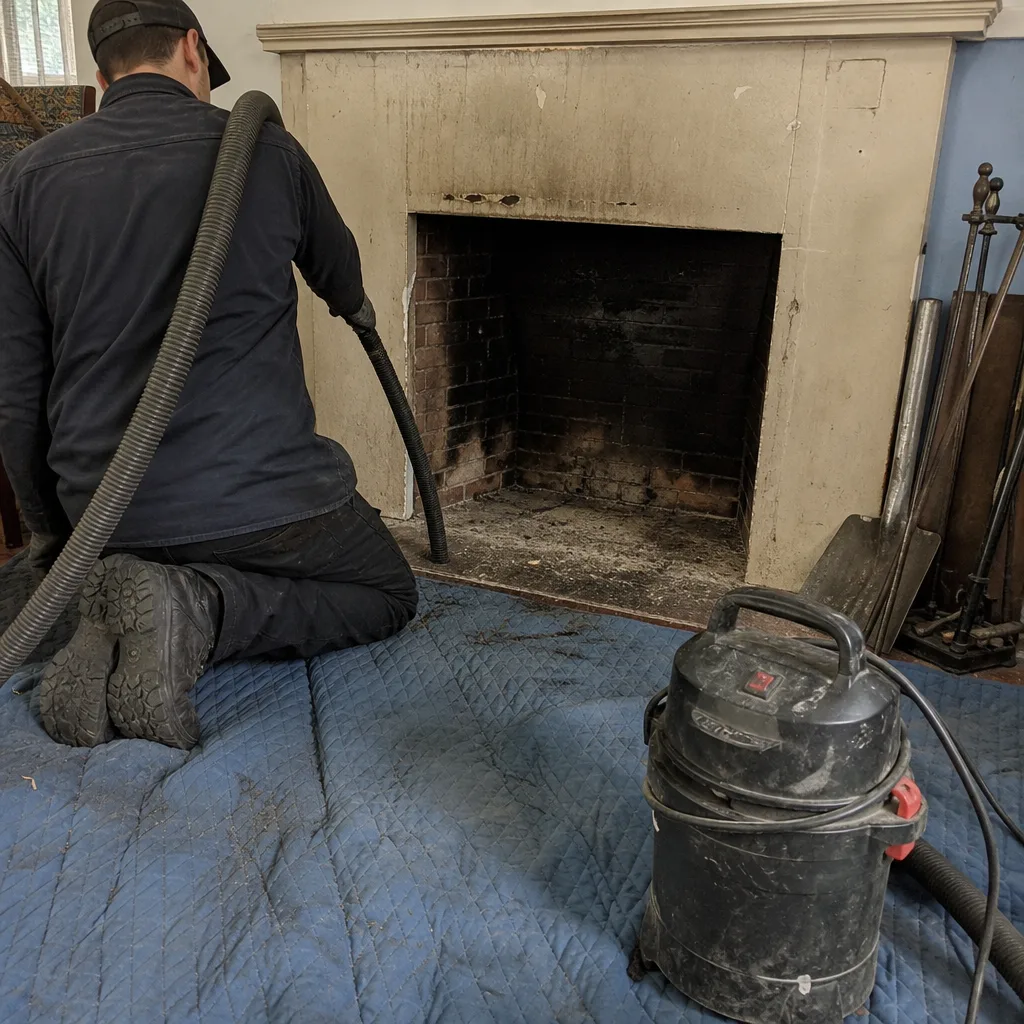 Before
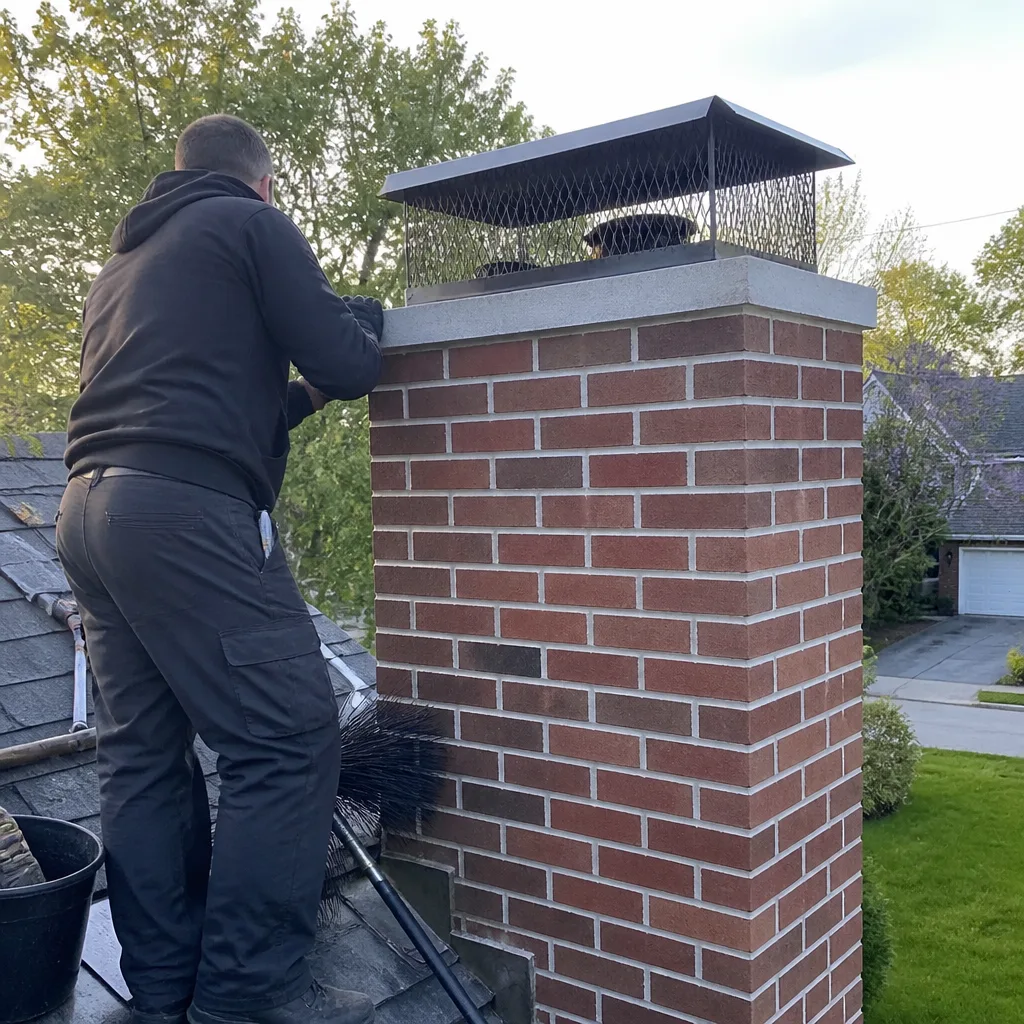 After
After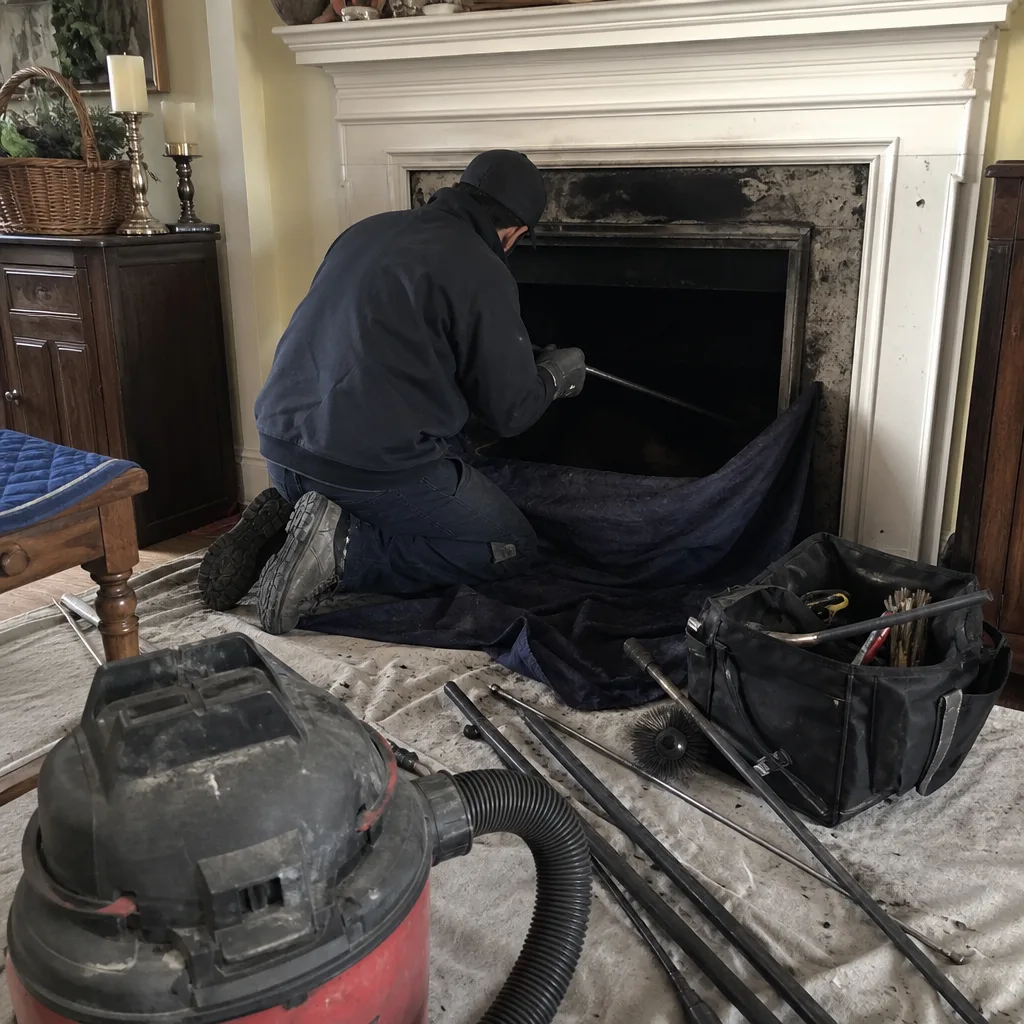 Before
 After
After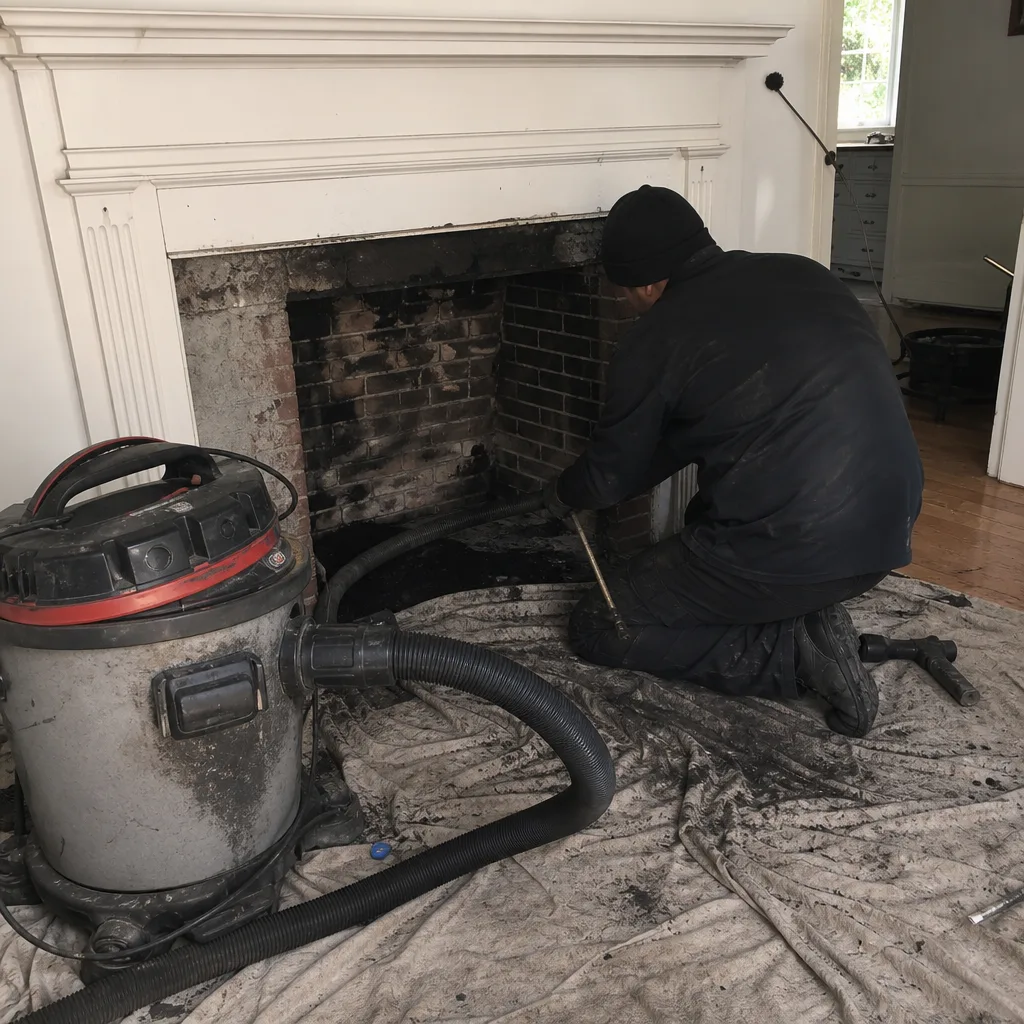 Before
 After
AfterChimney Cleaning & Sweep Maintenance Checklist for Cambridge Homeowners
The most dangerous item on most chimney checklists is “check for creosote” - because it implies a homeowner can make that call. They can’t. Stage-two and stage-three creosote look like a dirty flue wall to the untrained eye and behave like kindling during a flue fire. In Cambridge, where we burn from October through April and many homes date to the 1920s or earlier, that misunderstanding costs people their houses. This guide draws a clear line: what you can inspect from ground level, what you should photograph for your own records, and what absolutely requires our Chimney Cleaning & Sweep services with a camera and the training to read what it shows.
Quick Answer
Cambridge homeowners should perform seasonal visual checks at the firebox, damper, and exterior cap, document changes with photos, and schedule a professional chimney sweep with Level-2 camera inspection annually before the first fire. For additional preparation tips, see our Chimney Cleaning Warning Signs: A Cambridge Homeowner’s Reference Guide. The homeowner’s portion takes 20 minutes and requires no tools; the sweep’s portion finds creosote buildup, liner degradation, and hidden structural issues that determine whether your chimney is safe to use.
Table of Contents
- What Homeowners Can Check from Ground Level
- What Requires a Professional Sweep with a Camera
- Cambridge Heating Calendar: When to Schedule What
- Seasonal Documentation: What to Photograph Yourself
- Three Hidden Checklist Items Most Cambridge Homeowners Skip
- Common Mistakes to Avoid
- When to Call a Professional
- Frequently Asked Questions
What Homeowners Can Check from Ground Level
There is honest work a homeowner can do, and there is work that requires training, tools, and the willingness to climb a roof. The first category is larger than most sweeps admit, and the second is more critical than most homeowners understand. Here is the dividing line we use in every Cambridge home we visit.
The Firebox Inspection (5 minutes)
Look at the back wall and floor of your firebox with a flashlight. You’re checking for three things:
- Cracks or gaps in the firebrick or refractory panels. Hairline cracks are normal; gaps you can fit a coin into are not. In Cambridge’s older homes, especially in neighborhoods like Mid-Cambridge and Riverside, we’ve seen fireboxes with original 1920s brick that has been patched six times. Each patch is a heat sink that behaves differently from the original material. Note what you see, photograph it, and let a sweep determine if the integrity is compromised.
- Missing or deteriorated mortar between firebricks. Tap gently with a screwdriver handle. Sound mortar returns a solid tap; deteriorated mortar crumbles or sounds hollow. Do not dig at it. Document and stop.
- Rust on the damper frame or fire grate. Surface rust is cosmetic; flaking rust that exposes thinner metal beneath indicates moisture intrusion from above. This is your earliest warning of a crown or cap problem.
The Damper Check (3 minutes)
Open and close your damper fully. It should move smoothly and seat completely in both positions. A damper that sticks, squeals, or won’t seal fully costs you heated air up the flue all winter. In Cambridge’s variable humidity, we’ve seen dampers seize after a single humid summer if the chimney lacks a proper cap.
With the damper open, shine your flashlight up the flue. You’re not evaluating creosote - you can’t, and pretending you can is the error this checklist is designed to prevent. You’re looking for:
- Obvious debris: bird nests, leaves, or fallen brick fragments
- Daylight visible at the top (confirms flue continuity; absence of daylight suggests a blockage)
- Water stains or rust streaks running down the flue walls
Any of these findings go on your call list. They are not emergencies unless accompanied by smoke backing into the room, but they are not “wait and see” items either.
The Exterior Ground-Level Scan (10 minutes)
Walk around your house and look up. From the ground, you can assess:
- Chimney lean or separation from the house. Use a vertical reference - a door frame, window edge, or the corner of the house itself. Any visible tilt or gap between chimney and siding is structural and urgent.
- Missing or damaged chimney cap. The cap should cover all flue openings with screen sides. No cap, or a cap with damaged or missing screening, invites water, animals, and debris.
- Crown condition (top visible surface). Look for cracks, missing chunks, or pooling water. A crown should shed water; standing water means it’s failing.
- Flashing at the roof line. Look for lifted, rusted, or missing metal where the chimney meets the roof. In Cambridge’s freeze-thaw cycles, this is where water enters most often.
Photograph anything that looks different from your memory or your previous season’s photos. Comparison over time is more valuable than a single snapshot.
What Requires a Professional Sweep with a Camera
This is where most checklists fail homeowners. They list “check for creosote” as if it’s a visual task, or they omit critical internal components entirely because they assume the homeowner cannot access them. Both errors lead to false confidence.
Creosote Evaluation: Why You Cannot Do This Yourself
Creosote forms in three stages. Stage one is flaky, light, and brushes away easily - the homeowner might notice it as soot. Stage two is shiny, hard, and tar-like, clinging to flue walls. Stage three is glazed, dense, and nearly impervious to brushing, with the consistency of hardened resin.
Stages two and three are not reliably distinguishable from a dirty flue wall without a borescope camera and the experience to interpret what it shows, as explained in The Complete Guide to Chimney Cleaning in Cambridge. In Cambridge, where many chimneys serve supplemental wood stoves or fireplace inserts that burn cooler than open hearths, stage-two creosote is common by mid-season. It ignites at approximately 451°F - a temperature easily reached during normal operation. The National Fire Protection Association reports that creosote-fueled chimney fires peak in January, when accumulated buildup meets sustained cold-weather burning.
A professional chimney sweep in Cambridge uses rotary brushes sized to your flue diameter, industrial vacuums with HEPA filtration, and a camera system that documents the before and after condition. At Hearthstone Chimney Co., our Level-2 inspections include photos you can see and a plain-English verdict - documented like an engineer, explained like a craftsman.
The Smoke Chamber and Smoke Shelf
The smoke chamber is the area above the damper that funnels smoke into the flue. The smoke shelf is the horizontal surface behind the damper that catches debris and rain. Neither is visible to a homeowner with a flashlight. Both are common failure points in Cambridge’s pre-war housing stock, where original construction often used corbelled brick (stepped inward) rather than parged (smoothly finished) surfaces.
Corbelled brick creates turbulence that deposits creosote in corners the brush may not reach. A camera inspection reveals whether parging is intact or whether gaps and cracks are creating hidden collection points. This is not a maintenance item you can check yourself. It is a reason to schedule professional inspection on a predictable cycle.
Liner Condition and Sizing
Chimney liners - clay tile, stainless steel, or cast-in-place - protect the masonry from corrosive combustion byproducts and contain a chimney fire if one occurs. Liner cracks, gaps between tiles, or improper sizing for your appliance are invisible without camera inspection.
In Cambridge, we’ve replaced liners in homes where the original clay tile was installed in the 1940s and has suffered thermal shock from decades of heating and cooling. The homeowner had no symptoms - no smoke, no odor, no visible damage. The camera found it. That’s the value of inspection you cannot perform yourself.
Structural Masonry and Hidden Water Damage
Spalling brick, deteriorated mortar joints, and internal water damage often present first as efflorescence (white mineral deposits) or as dampness that appears only after sustained rain. A sweep with roof access and moisture detection tools can trace water paths that a ground-level inspection misses entirely.
Cambridge Heating Calendar: When to Schedule What
Cambridge’s heating season runs roughly from the first sustained nighttime lows in the 40s, typically mid-October, through the last reliable freeze in mid-April. Our maintenance calendar reflects this reality, not a generic national schedule.
| Timing | Homeowner Action | Professional Service |
|---|---|---|
| September | Ground-level exterior inspection; photograph cap, crown, flashing | Schedule sweep and Level-2 inspection; book 2-3 weeks before first planned fire |
| October | Firebox and damper check; test smoke and CO detectors | Complete sweep before first fire; address any repair findings |
| December-January | Monitor for changes: new water stains, smoke odors, draft issues | Mid-season check if burning heavily (4+ fires weekly) |
| March-April | Final firebox inspection; photograph end-of-season condition | Schedule any deferred repairs; plan liner or rebuild work for off-season pricing |
| May-August | Store firewood off-ground, covered; monitor exterior for storm damage | Major repairs and rebuilds; crown resurfacing with HeatShield or similar professional-grade materials |
The September booking window matters in Cambridge. Sweeps with strong local reputations fill their pre-season schedules by late August. Waiting until the first cold snap means waiting three weeks or burning unswept, which we do not recommend.
Homes in neighborhoods like Harvard Square and Porter Square, with tighter lot lines and mature tree canopy, face additional timing pressure: leaves fall into uncapped chimneys through October, and ice dams complicate roof access after January. Schedule roof-access work before Thanksgiving if possible.
Seasonal Documentation: What to Photograph Yourself
A homeowner who documents their chimney season by season builds a record that speeds diagnosis, prevents redundant inspection, and protects against disputes. We recommend four photographs, taken from the same angles each time, stored with the date in a dedicated folder.
- Firebox, full view. Stand back far enough to capture the full back wall and floor. This reveals firebrick cracking, grate deterioration, and ash accumulation patterns that indicate burning habits.
- Firebox, close-up of back wall. Focus on the center of the back wall where thermal stress concentrates. Compare year-over-year for new cracking or spalling.
- Damper, open position. Capture the damper frame, the throat opening, and as far up the flue as your flashlight illuminates. This documents rust, debris, and visible flue condition.
- Exterior, ground-level wide shot. Include the full chimney from roof line to cap, with a reference point (corner of house, window) for consistent framing. This reveals lean, cap changes, and crown deterioration over time.
Date each photograph. When you call for service, email or text them ahead. A sweep who sees your documentation arrives better prepared and can focus the inspection on what has changed. In our experience at Hearthstone Chimney Co., homeowners with photo records catch developing problems 12 to 18 months earlier than those relying on memory alone.
For Cambridge’s historic homes, this documentation serves a second purpose. If you ever sell, buyers and their inspectors will ask about chimney condition. A dated photo record demonstrates proactive maintenance and can prevent last-minute repair demands that derail closing.
Three Hidden Checklist Items Most Cambridge Homeowners Skip
Every sweep has a list of “if they only knew” items. These three cause more hidden damage in Cambridge than any other overlooked maintenance point.
1. Cricket Flashing (Chimney Saddle)
A cricket is the peaked diversion structure behind chimneys wider than 30 inches, built to shed water around the chimney rather than letting it pool. Cambridge’s building code has required crickets on qualifying chimneys for decades, but many older homes lack them, or have crickets that have deteriorated.
Without a proper cricket, water runs down the roof slope and hits the chimney flat, saturating the flashing and seeping into the structure. By the time interior water stains appear, the sheathing and framing behind the chimney are often compromised. From the ground, look for a peaked structure behind your chimney on the upslope side. If you see flat flashing instead, or if the cricket appears to sag or separate from the chimney, that is a priority repair.
2. Smoke Shelf Debris
The smoke shelf sits behind the damper, a horizontal ledge designed to catch rain and debris that falls down the flue. Over seasons, it accumulates ash, creosote flakes, and animal nesting material. This debris restricts airflow, creates odor problems in summer humidity, and can ignite if a spark reaches it.
No homeowner can see or safely clean the smoke shelf without disassembling the damper assembly. It requires a sweep with proper tools and vacuum equipment. Yet it appears on almost no homeowner checklist. Ask your sweep explicitly: “Did you clean and inspect the smoke shelf?” A thorough sweep will note it in the report without prompting; a rushed job may skip it entirely.
3. Cap Screen Integrity
Chimney caps include mesh screening to exclude animals while allowing smoke exit. In Cambridge, where squirrels, raccoons, and starlings are active year-round, intact screening is essential. But the screen material matters as much as its presence.
Galvanized steel screening rusts through in 5-7 years in our climate. Stainless steel or copper screening lasts decades but costs more upfront. Many budget caps use galvanized mesh that appears intact in year three and is perforated by year six. Inspect your cap screen annually: look for rust staining, holes visible from below, or gaps where the screen meets the cap frame. A cap with failed screening is barely better than no cap at all.
We install caps with screening from Gelco and Olympia Chimney products, specified for coastal Northeast corrosion resistance. The difference in screen longevity between professional-grade and builder-grade caps is 15 years versus 5 in Cambridge conditions.
Common Mistakes to Avoid
- Assuming a clean firebox means a clean flue. The firebox is where you see; the flue is where the danger lives. We’ve swept chimneys with pristine fireboxes and stage-three glazed creosote 15 feet up. The two conditions are not related.
- Burning with a “dirty but probably fine” chimney. In Cambridge’s dense housing, a chimney fire doesn’t stay your problem. Sparks from a compromised flue can ignite neighboring roofs, and the smoke damage from a contained fire often requires professional remediation throughout attached units. The risk extends beyond your property line.
- Using the wrong firewood. Seasoned hardwood (oak, maple, ash) burned hot and dry produces minimal creosote. Unseasoned wood, softwood like pine used as primary fuel, or wood stored against the house where it absorbs moisture, creates rapid buildup. In our climate, wood needs 18-24 months of covered storage to season properly. The “two-year wood” you bought last fall was likely cut that spring.
- Ignoring the chimney after switching to gas. Gas appliances produce water vapor and corrosive condensate that deteriorate liners and masonry. A gas fireplace still needs annual inspection, and the flue must be properly sized for the appliance. We’ve found deteriorated liners in “gas-only” chimneys that the homeowner assumed were maintenance-free.
- Hiring based on price alone for a “quick sweep.” A 30-minute sweep with no camera, no documentation, and no report is a lottery ticket, not maintenance. In Cambridge’s competitive market, prices below $200 for a full sweep and inspection often indicate corners cut: no roof access, no smoke chamber cleaning, no written findings. The money saved disappears into the first undiscovered repair.
- Skipping the post-repair inspection. If you’ve had liner work, crown repair, or rebuild done, schedule a follow-up inspection after the first season of use. New materials settle and cure; installation defects often show first use, not first glance. Our 90-Day Done Right Promise covers this explicitly - if it’s not right, we come back, in writing, no arguing.
When to Call a Professional
Call a sweep immediately if you experience smoke backing into the room, a strong hot smell during operation, visible sparks exiting the chimney top, or a loud roaring sound from the flue during burning. These are active chimney fire indicators, and the response is stop burning and call for emergency inspection.
Schedule standard service when your annual inspection is due, when you’ve purchased a home and have no maintenance records, when you’ve changed appliances (wood to gas, insert installation, stove changeout), or when your ground-level inspection reveals any item flagged in this checklist.
For chimney repair in Cambridge or professional sweep service, Hearthstone Chimney Co. offers free estimates. Our technicians are background-checked, uniformed, and complete most jobs in a single visit. Call (857) 392-4709 to schedule. A live person answers every call, 24 hours a day, 7 days a week - not a voicemail, not a callback queue.
Frequently Asked Questions
A professional chimney sweep with Level-2 camera inspection in Cambridge typically ranges from $250 to $400 for a standard fireplace flue, with multi-flue chimneys or heavily sooted systems running higher. The price should include the sweep, camera documentation, and a written report with photos. Be cautious of quotes below $200 that don’t specify camera inspection or written findings. Call (857) 392-4709 for an exact quote - estimates are free.
The National Fire Protection Association recommends annual inspection for all chimneys, with sweeping as needed based on findings. In Cambridge’s heating climate, where wood-burning fireplaces see regular use from October through April, most homeowners need annual sweeping. Gas appliance flues need annual inspection but may not require sweeping every year. Heavy use (more than three fires weekly) or unseasoned wood burning accelerates the schedule to mid-season inspection.
You need a new liner when the existing liner is damaged, improperly sized for your appliance, or absent entirely. Clay tile liners crack from thermal shock; stainless steel liners corrode or separate at joints; unlined chimneys expose masonry to destructive acids. We don’t recommend liner replacement without camera evidence you can see yourself, and we will tell you plainly when a liner can be repaired rather than replaced. Our Level-2 inspections include photos and a plain-English verdict so you can make an informed decision.
Skipped maintenance leads to creosote accumulation, which increases chimney fire risk and can result in flue damage, structural fire, or carbon monoxide intrusion through cracked liners. In Cambridge’s older housing stock, where many chimneys serve multiple appliances or have been modified over decades, the risk of hidden deterioration is higher than in newer construction. Deferred maintenance also converts minor repairs into major rebuilds: a cracked crown that costs $400 to resurface becomes a $4,000 rebuild when water destroys the chimney top. Call (857) 392-4709 for a free estimate before small problems become large ones.
You can brush surface soot from a readily accessible firebox, but you cannot safely or effectively clean a full flue system, evaluate creosote stage, or inspect the smoke chamber and liner without proper equipment and training. Chimney work involves heights, confined spaces, and exposure to carcinogenic creosote dust. For Cambridge homeowners, the realistic division of labor is: you handle ground-level visual checks and documentation, and you hire a sweep for everything above the damper and everything requiring roof access. Explore more guides & resources to stay informed. The cost of professional service is modest compared to the cost of missing a critical defect.
A Level-2 inspection is a detailed examination of the accessible portions of the chimney exterior, interior, and flue, using video scanning or other means of inspection. It is required when a property changes hands, after a chimney fire or seismic event, or when you’re installing a new appliance. For ongoing maintenance in a home you already own, a Level-2 inspection every 2-3 years, with Level-1 visual inspection annually, is a sound practice. At Hearthstone Chimney Co., we include Level-2 camera documentation with every sweep because we believe homeowners deserve to see what we see.
The Bottom Line
A useful chimney checklist separates what you can do from what you must delegate. Inspect your firebox, damper, and exterior from the ground. Photograph everything, date it, and compare year over year. Schedule professional sweep service before the first fire, with camera inspection and written documentation. Don’t assume a clean firebox means a safe flue. Don’t ignore the hidden items - cricket flashing, smoke shelf, cap screen - that cause the damage you won’t see until it’s expensive. And don’t burn in a Cambridge winter on hope alone. Done right, and we stand behind it.
Written by Russell Haines, Owner at Hearthstone Chimney Co., serving Cambridge since 2014.