
Last updated September 10, 2026
Level 1 sweep and inspection to the NFPA 211 annual standard - flue, crown, cap, and flashing checked and photographed
Chimney sweep logs do not sweep chimneys. They loosen some creosote - which then falls where a brush and vacuum still have to collect it.
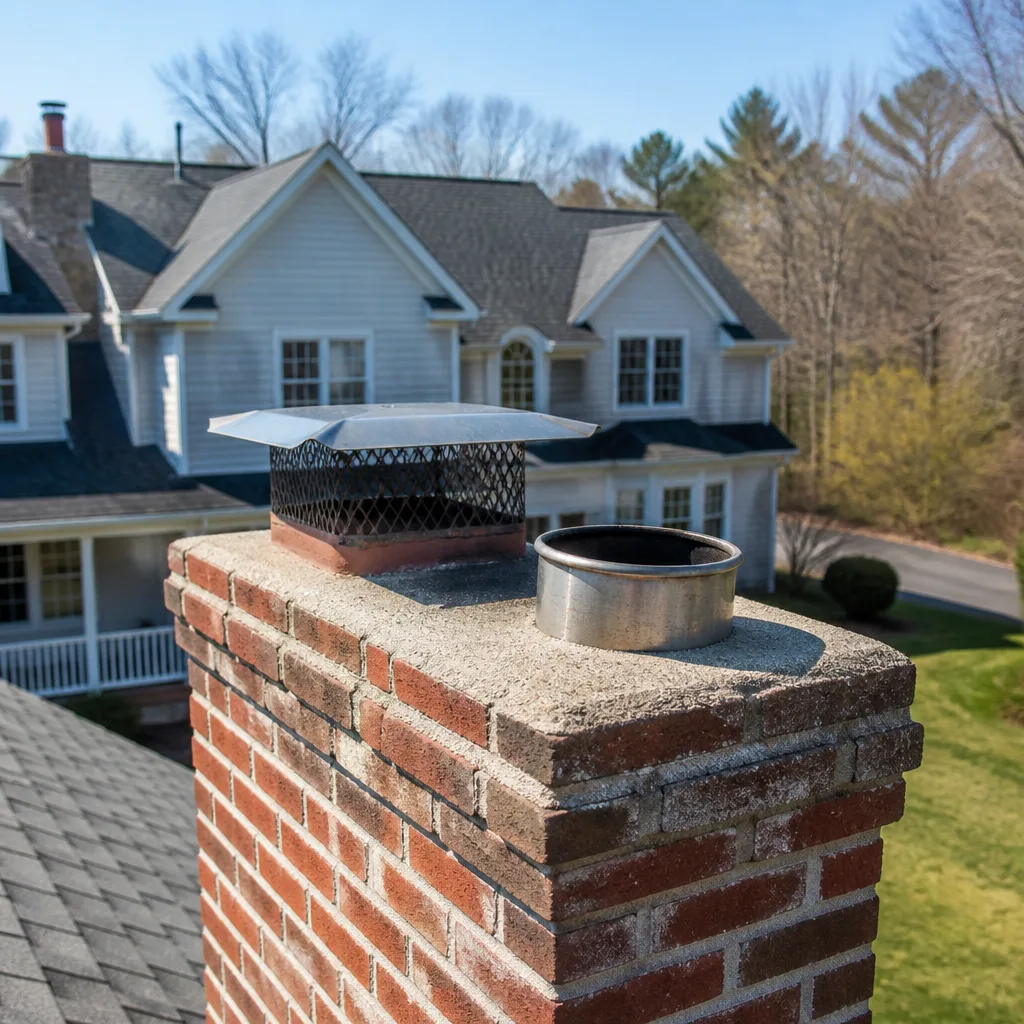
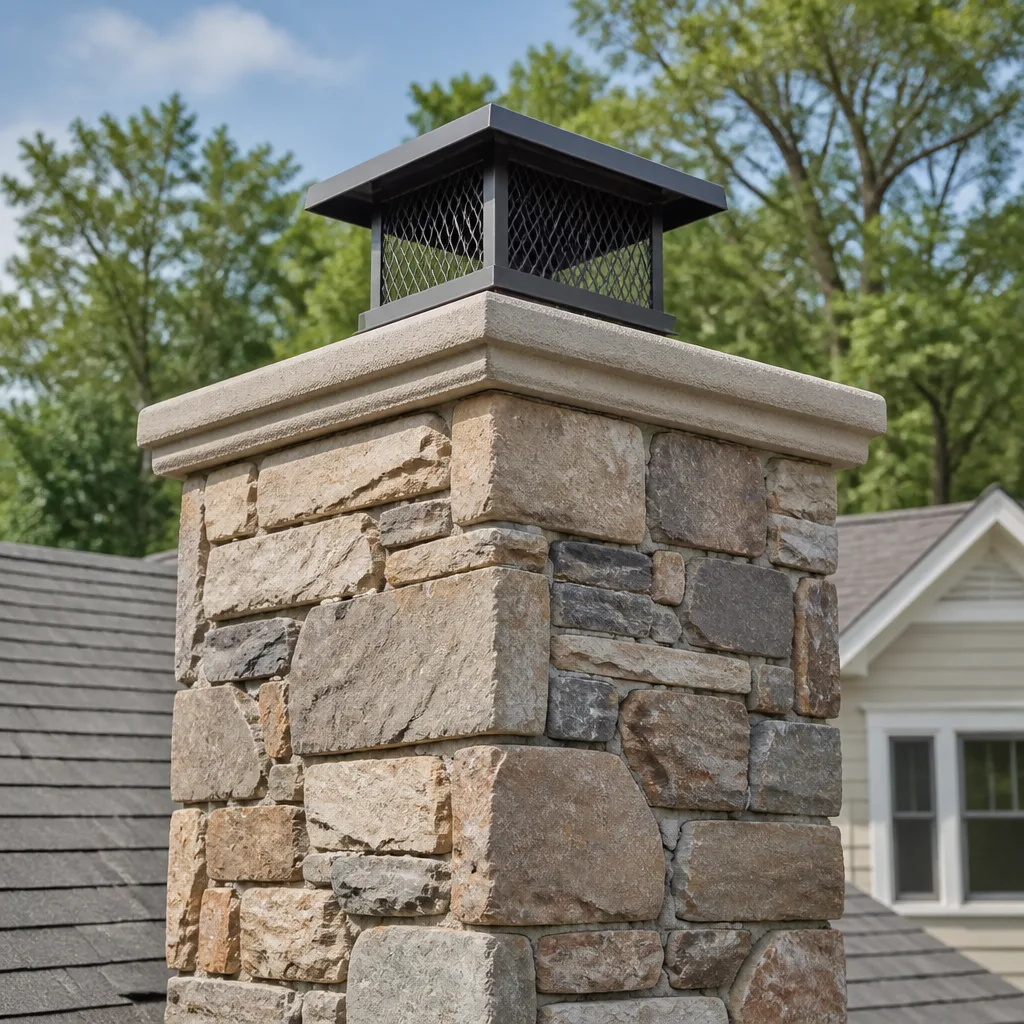
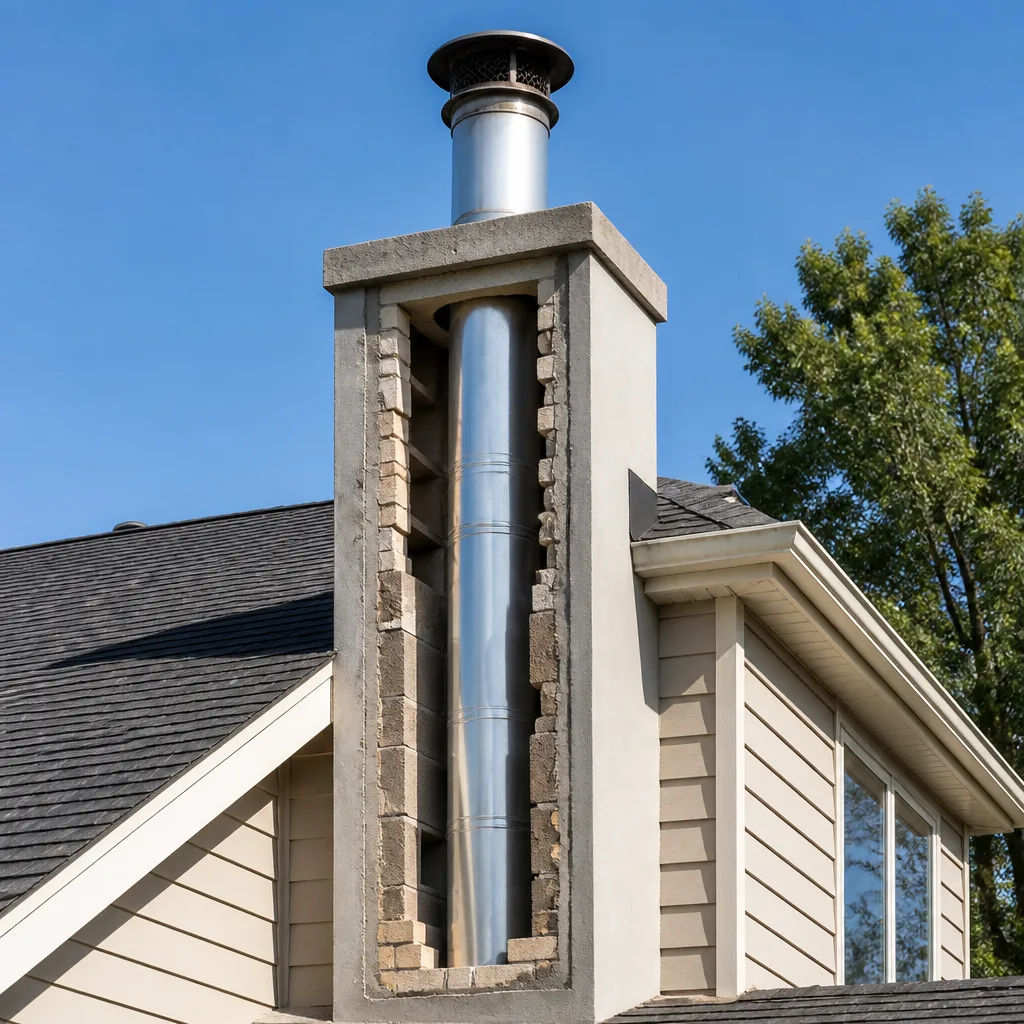
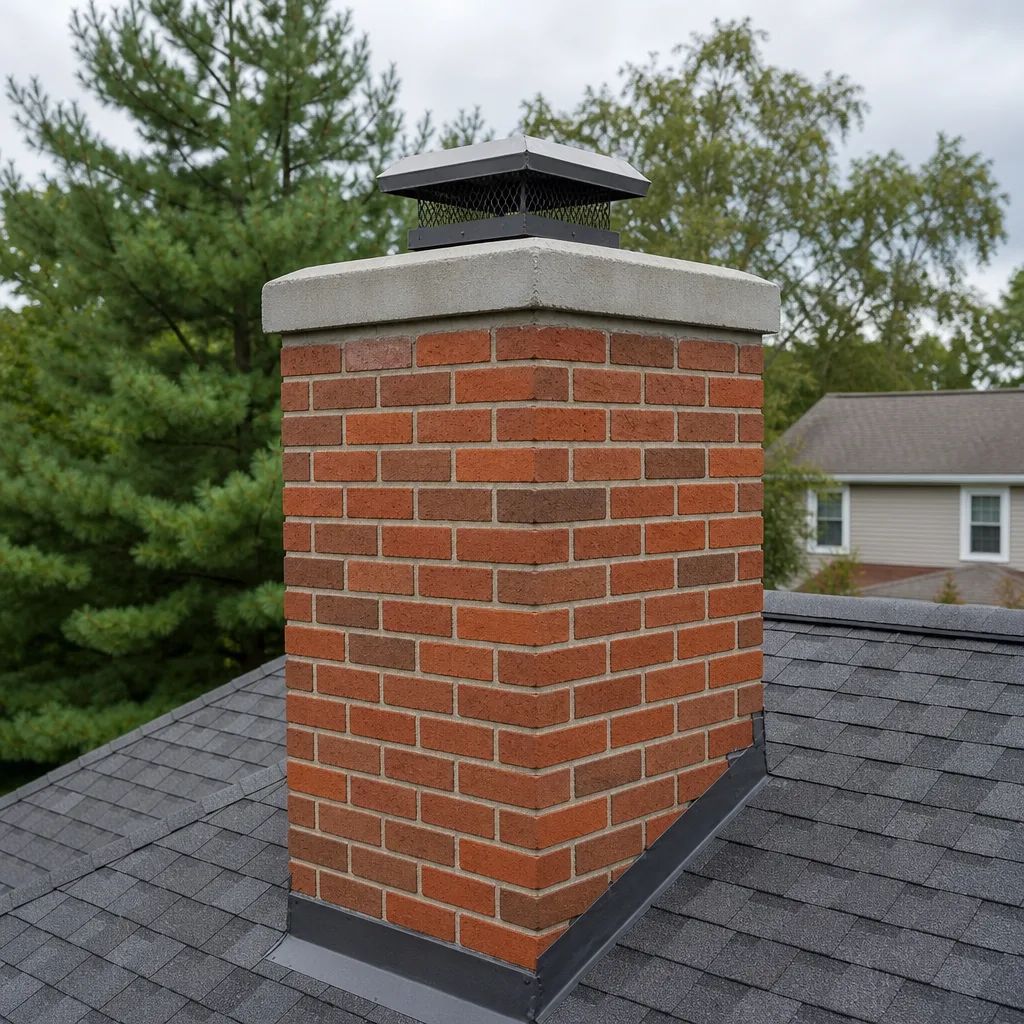
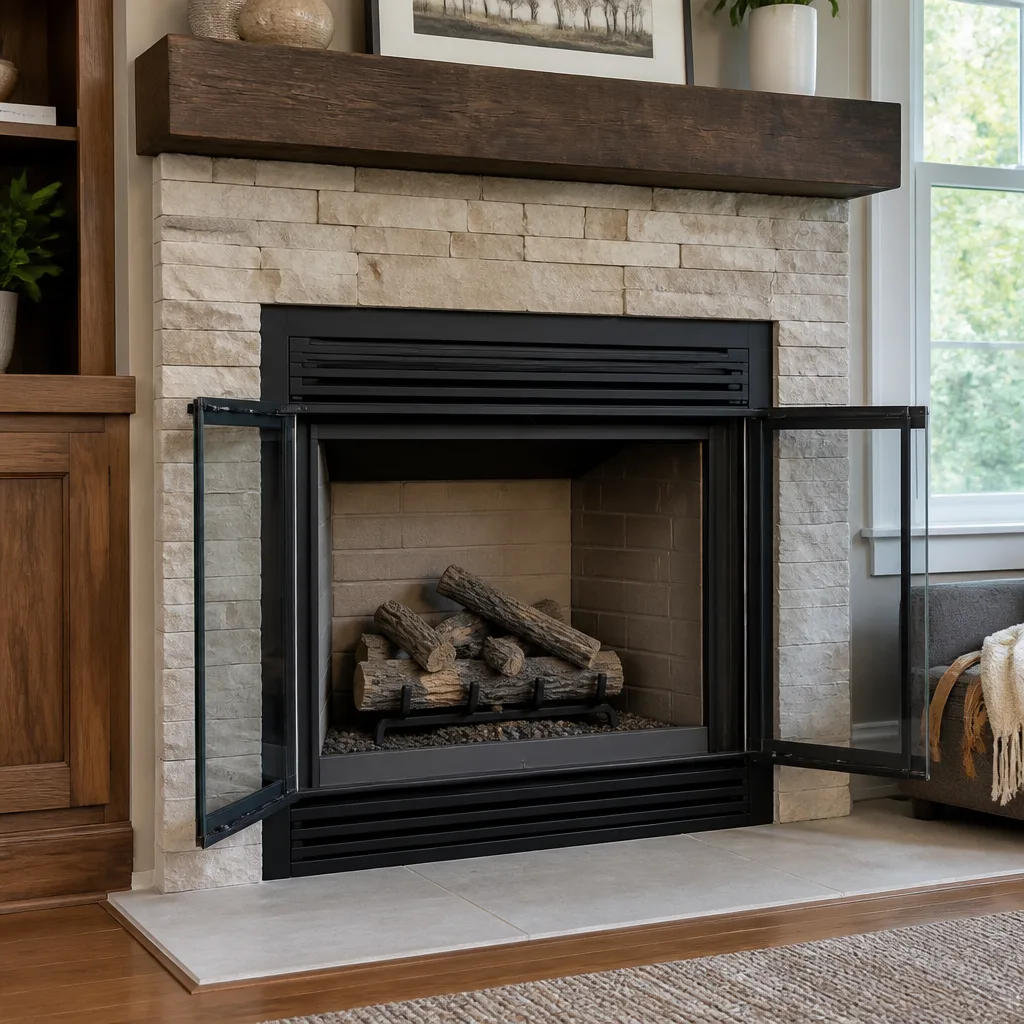
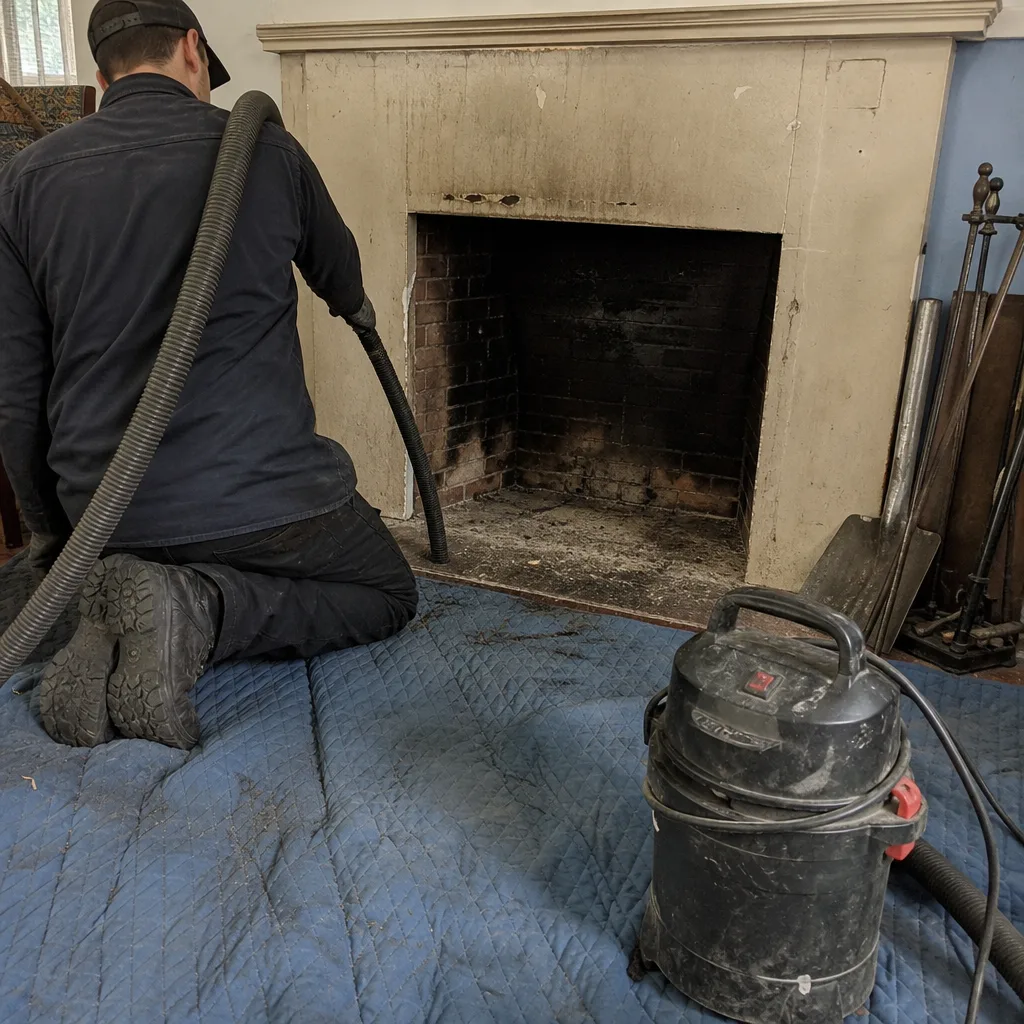 Before
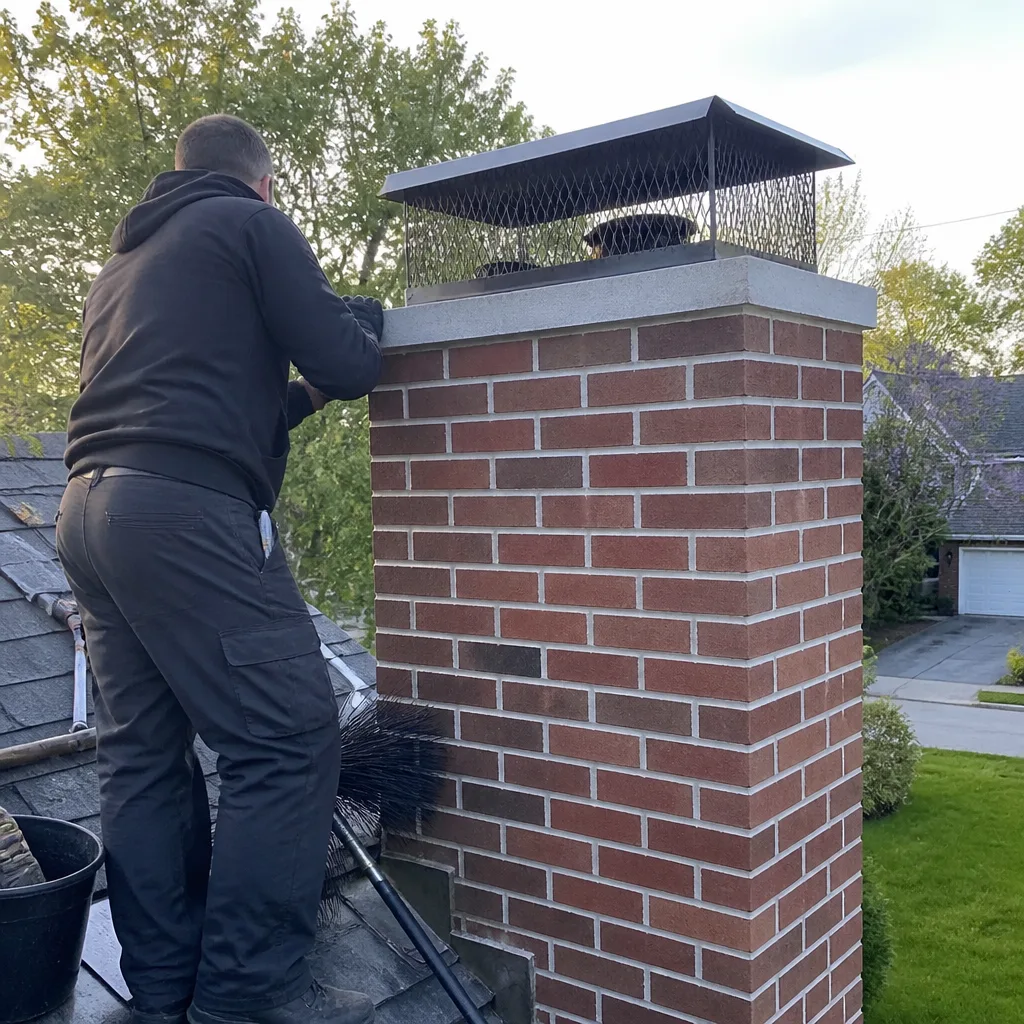 After
After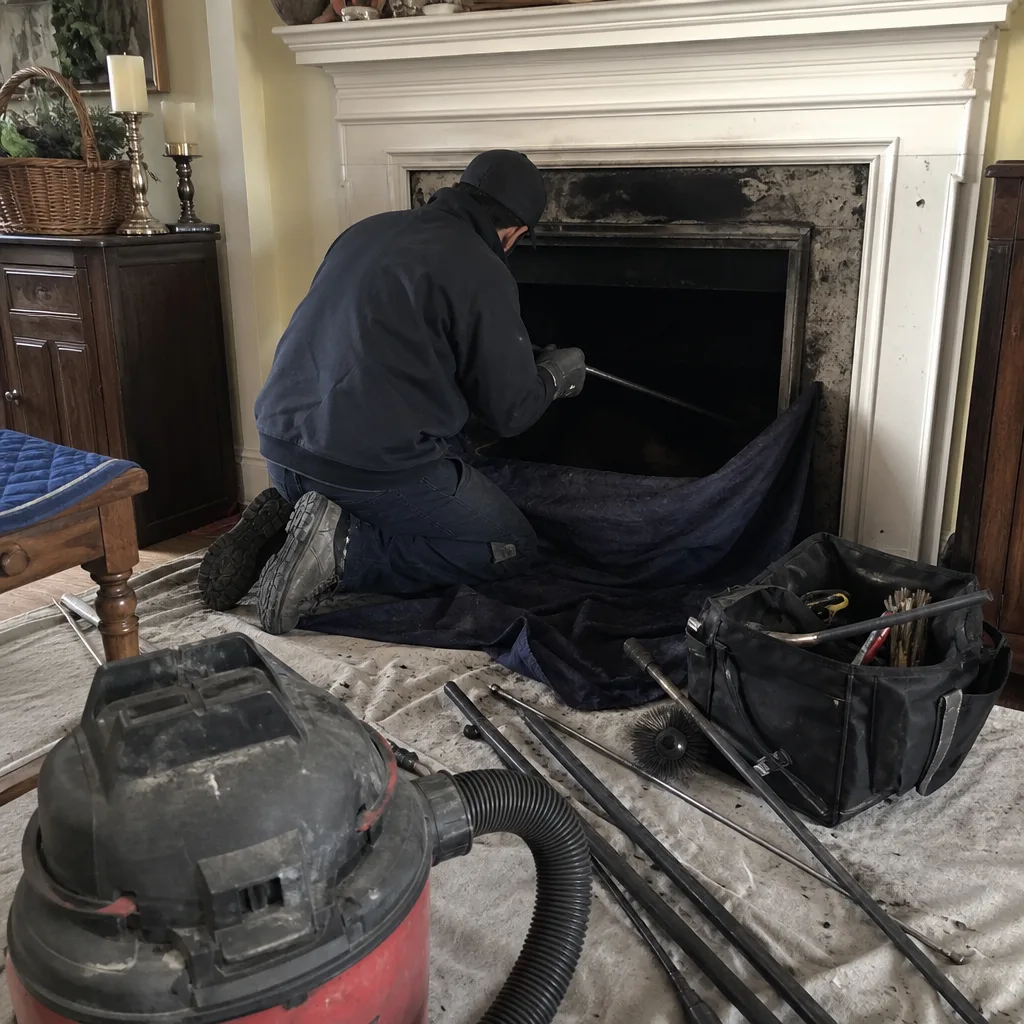 Before
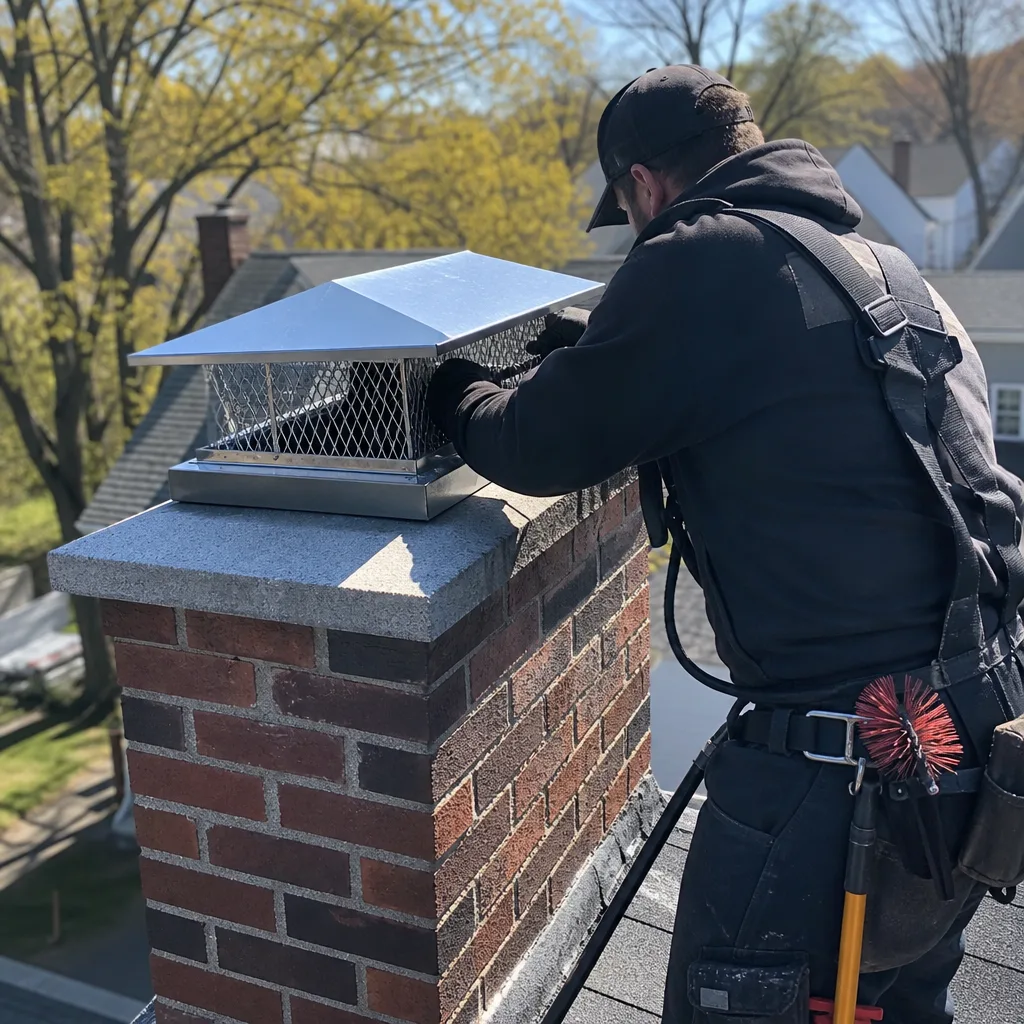 After
After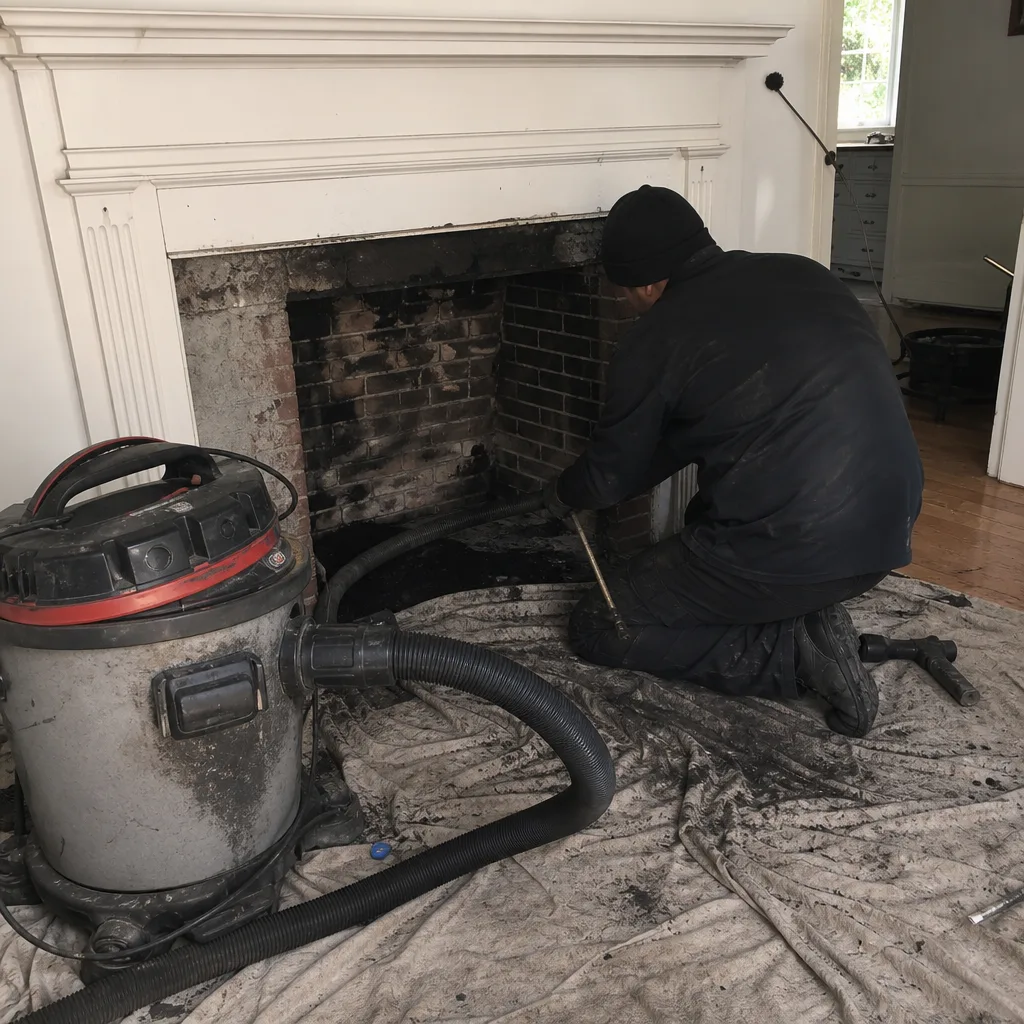 Before
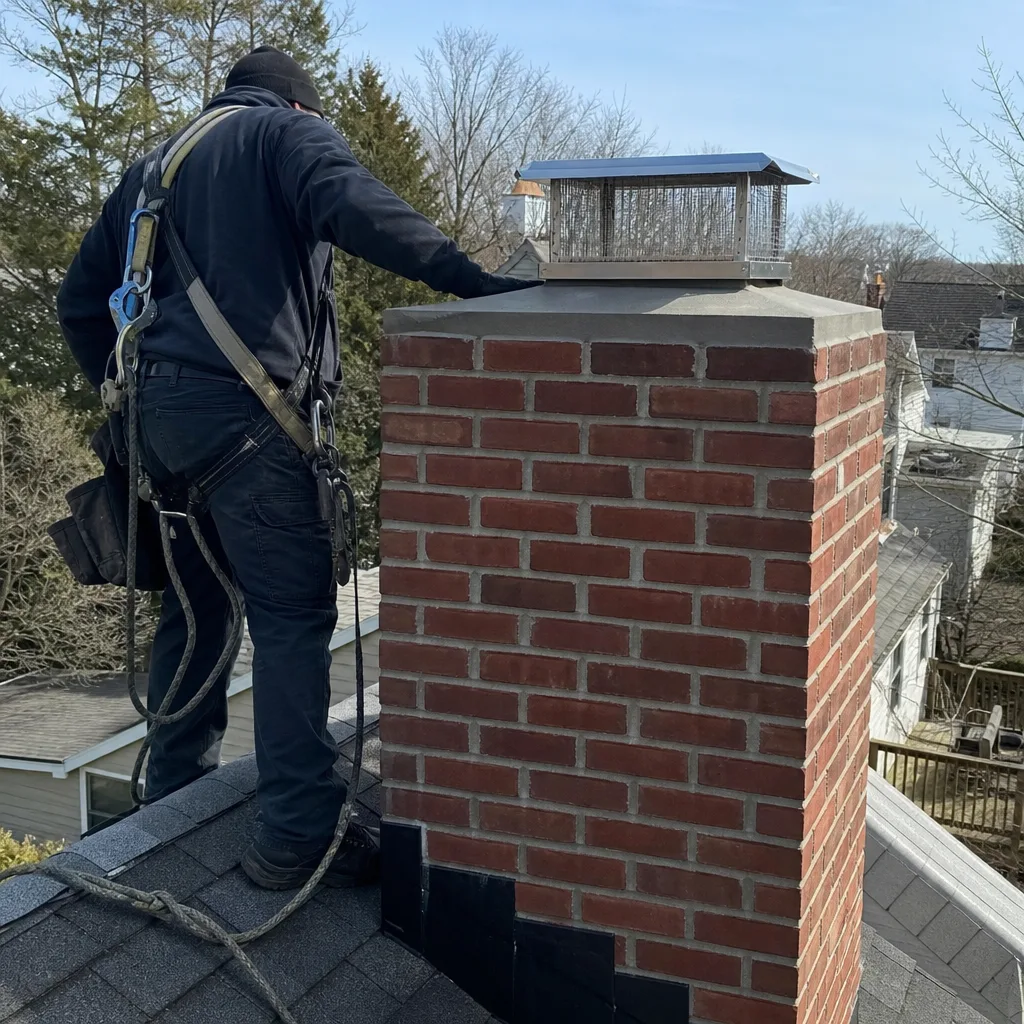 After
AfterChimney Cleaning Permits, Codes & Inspections in MA: What You Need to Know
Here’s something most Cambridge homeowners only learn the hard way: replacing a chimney liner or rebuilding a firebox in Massachusetts requires a building permit under 780 CMR, and completing that work without one can void your homeowner’s insurance after a fire. We’ve inspected chimneys in Cambridge since 1984, and we’ve seen unpermitted liner jobs from five years prior torpedo a home sale in Porter Square and leave a family in North Cambridge fighting their insurer for months. This guide - alongside our Complete Guide to Chimney Cleaning in Cambridge - explains exactly which chimney jobs trigger permit requirements, how Cambridge enforces state code, and what documentation you need to protect your property and your wallet.
Quick Answer
Most routine chimney cleaning and sweeping in Massachusetts do not require a permit, though homeowners should still watch for chimney cleaning warning signs, but any repair or modification that alters the structure, appliance, or venting system - including chimney liner replacement, firebox rebuilds, and crown reconstruction - requires a building permit under 780 CMR Chapter 10. Cambridge enforces these rules through its Inspectional Services Department, and unpermitted work can invalidate your homeowner’s insurance and create title issues during a home sale.
Table of Contents
- Which Chimney Jobs Require Permits vs. Maintenance Exemptions
- How 780 CMR and Cambridge Local Amendments Work Together
- The Certificate of Compliance: Why You Should Store It With Your Deed
- How Unpermitted Chimney Work Creates an Insurance Gap
- When Massachusetts Requires a Level 2 Chimney Inspection
- Navigating the Cambridge Permit Process
- What to Ask Before Hiring a Chimney Contractor
- Common Mistakes to Avoid
Which Chimney Jobs Require Permits vs. Maintenance Exemptions
Massachusetts draws a sharp line between maintenance and modification, and the distinction matters more than most homeowners realize.
Work that typically does NOT require a permit (maintenance):
- Annual chimney sweeping and cleaning to remove creosote and debris
- Basic chimney cleaning and sweeping in Cambridge with no component replacement
- Chimney cap cleaning and minor flashing seal repairs
- Fireplace damper adjustment and gasket replacement
- Exterior masonry waterproofing that does not alter structure
Work that DOES require a building permit under 780 CMR:
- Chimney liner replacement or installation (stainless steel, aluminum, or cast-in-place)
- Firebox rebuild or refractory panel replacement
- Smoke chamber parging or modification
- Crown reconstruction or significant repair
- Chimney height modification or termination changes
- Any work involving gas line connection or fuel type conversion
- Structural masonry repair exceeding 25% of a chimney wall
The permit threshold is not about cost or convenience. It’s about whether the work changes the engineered safety of the system. A new DuraFlex stainless steel liner, for instance, alters draft characteristics, clearances to combustibles, and appliance compatibility. The state wants that documented and inspected.
In Cambridge, we’ve found this distinction confuses homeowners because many out-of-state contractors treat liner replacement as routine maintenance. It is not. If a sweep tells you otherwise, request that position in writing. We’ve been called to repair chimneys in Cambridge where unpermitted liner work had to be removed and reinstalled at the homeowner’s expense because the city flagged it during a subsequent property sale.
How 780 CMR and Cambridge Local Amendments Work Together
Massachusetts operates under a unified state building code, 780 CMR, which adopts and amends the International Building Code with Massachusetts-specific provisions. Chapter 10 covers chimneys, fireplaces, and solid fuel-burning appliances. Cambridge, as a city with its own Inspectional Services Department, enforces 780 CMR directly with no significant local amendments to chimney provisions, but with notably rigorous inspection practices.
Here’s where the interaction gets specific. NFPA 211, the National Fire Protection Association standard for chimneys, fireplaces, vents, and solid fuel-burning appliances, is referenced throughout 780 CMR as the technical standard for installation and inspection. But NFPA 211 is not the enforceable code in Cambridge; 780 CMR is. The NFPA standard informs professional practice, particularly for Level 2 inspections, but permits and compliance certificates issue under state authority.
What this means practically: a contractor can perform an NFPA 211-compliant Level 2 inspection and still fail to secure the 780 CMR permit required for the repair they recommend. We’ve seen this disconnect in Cambridge neighborhoods from Harvard Square to East Cambridge, where thorough inspections led to repair quotes with no mention of permitting.
Cambridge’s Inspectional Services Department requires permit applications for chimney work to include:
- A detailed scope of work describing materials and methods
- Manufacturer specifications for any liner or appliance (we use DuraFlex, HeatShield, and Gelco documentation)
- Confirmation of compliance with 780 CMR clearance requirements
- A signed contractor license verification
The city does not accept hand-waving. In our experience, Cambridge inspectors ask more questions about liner connection methods and termination height than surrounding municipalities. This is not bureaucracy for its own sake. Cambridge’s housing stock includes thousands of pre-1940 masonry chimneys with degraded flue tiles, and the city has seen enough fires from improper repairs to be cautious.
For homeowners, the key point is this: your contractor should handle permit application and scheduling, but the permit must issue in your name as property owner, and you should receive copies of all inspection sign-offs. We include permit coordination in our project quotes because we’ve learned that homeowners who don’t receive documentation often don’t know they were supposed to.
The Certificate of Compliance: Why You Should Store It With Your Deed
After permitted chimney work passes final inspection, Cambridge issues a Certificate of Compliance. This document is not decorative. It is the legal record that the work met code at the time of installation, and it follows the property, not the owner.
We’ve been sweeping chimneys in Cambridge long enough to see what happens when this certificate goes missing. In 2019, we worked with a homeowner in West Cambridge who had purchased a property with a relatively new stainless steel liner but no compliance certificate in the closing documents. When they later needed fireplace services in Cambridge, we discovered the liner was improperly sized for their appliance - a defect that should have been caught at inspection. Without the certificate, they had no recourse against the original installer, who had since left the state. The homeowner paid for complete reinstallation.
Store your Certificate of Compliance with your deed, mortgage documents, or in the same file where you keep your homeowner’s insurance policy. If you sell, disclose the permitted work and provide the certificate. Cambridge real estate attorneys increasingly request chimney compliance documentation during title review, particularly for properties with solid fuel appliances.
The certificate should specify:
- The permit number and date of issue
- The scope of work as approved
- The materials and brands installed (we document DuraFlex, HeatShield, or Gelco as applicable)
- The inspecting officer’s signature and date of final approval
If your contractor cannot produce this certificate after claiming permitted work, contact Cambridge Inspectional Services directly with the permit number. We’ve assisted homeowners in this situation, and the city has been consistently helpful in pulling records - but only if a permit was actually filed.
How Unpermitted Chimney Work Creates an Insurance Gap
This is where abstract code requirements become concrete financial risk. Massachusetts homeowner’s insurance policies contain standard provisions that allow insurers to deny claims for losses caused by, or exacerbated by, work performed without required permits.
The specific policy language varies by carrier, but the core clause appears in most Massachusetts HO-3 and HO-5 policies: the insurer may deny coverage for damage “resulting from alterations, repairs, or improvements made without necessary permits or inspections.” Some Cambridge homeowners we’ve served have faced explicit exclusions for “unpermitted structural modifications to heating or venting systems.”
Consider the scenario. A homeowner in Cambridgeport has an unpermitted chimney liner installed. Two years later, a chimney fire occurs. The fire department reports the incident. The homeowner files an insurance claim for fire damage to the roof and adjacent rooms. The insurer’s adjuster requests permit documentation. None exists. The claim is denied, not because the liner caused the fire, but because the unpermitted work voided coverage for any fire originating in the chimney system.
We’ve seen this pattern twice in our Cambridge service area. In one case, the homeowner successfully argued that the contractor had misrepresented the permit status, but only after months of litigation and thousands in legal fees. The simpler path is prevention.
Some insurers are more aggressive than others. We’ve noticed that carriers writing policies for older Cambridge homes, particularly those in historic districts with masonry chimneys, increasingly require proof of permitted work for any chimney-related claim. The underwriting logic is straightforward: unpermitted work correlates with unqualified contractors, and unqualified contractors correlate with higher loss ratios.
Our recommendation: before any chimney repair beyond routine cleaning, confirm permit requirements with your contractor, verify permit filing with Cambridge Inspectional Services, and retain all documentation. For maintenance best practices, see our Chimney Cleaning & Sweep Maintenance Checklist for Cambridge Homeowners. The 90-Day Done Right Promise we provide in writing covers our workmanship, but no contractor’s guarantee can restore insurance coverage that an unpermitted installation has compromised.
When Massachusetts Requires a Level 2 Chimney Inspection
NFPA 211 defines three levels of chimney inspection. Level 1 is visual, performed during routine cleaning. Level 2 involves camera examination of the flue interior and accessible portions of the system. Level 3 requires demolition of building components to examine concealed areas. Massachusetts does not statutorily mandate NFPA 211 inspections, but 780 CMR incorporates NFPA standards by reference, and several specific triggers effectively require Level 2 work.
These situations require a Level 2 chimney inspection in Massachusetts:
- Change of fuel type. Converting from wood to gas, or adding a pellet insert, changes venting requirements and appliance clearances. Cambridge requires permit and inspection for any fuel conversion, and the Level 2 camera inspection documents pre-existing flue condition.
- Real estate transaction. While not always legally mandated, Massachusetts purchase-and-sale agreements increasingly include chimney inspection contingencies. We’ve performed Level 2 inspections for Cambridge home sales in neighborhoods from Agassiz to The Port, often revealing degraded flue tiles or improper clearances that became negotiation points.
- After any chimney fire. Even a small chimney fire can crack flue tiles, damage mortar joints, or compromise liner integrity. A Level 2 inspection with camera documentation is essential before returning the system to service. We’ve found heat damage in Cambridge chimneys that appeared sound from the exterior.
- After weather events or seismic activity. While less common in Cambridge than in western Massachusetts, freeze-thaw cycles and foundation settling can damage chimney structures. A Level 2 inspection following visible exterior damage or draft problems can reveal internal deterioration.
- Upon installation of new appliance or liner. This is the inspection trigger most homeowners miss. The Level 2 inspection documents baseline condition and confirms proper installation - and it is typically required for permit sign-off.
Our Level 2 inspections end with photographs the homeowner can see and a plain-English verdict. We document like engineers and explain like craftsmen because we’ve learned that homeowners make better decisions when they understand what they’re looking at. In Cambridge’s competitive real estate market, this documentation has helped sellers justify asking prices and buyers negotiate repairs with specificity rather than anxiety.
Navigating the Cambridge Permit Process
For homeowners who have never pulled a building permit, the process can feel opaque. Cambridge’s Inspectional Services Department is located at 831 Massachusetts Avenue, and permit applications for chimney work fall under the Building Division. Here’s what to expect.
Step-by-step permit process for chimney work in Cambridge:
- Contractor prepares application. The licensed contractor should complete the permit application, including scope of work, materials specifications, and license verification. We handle this for our Cambridge customers.
- Homeowner signs as property owner. The permit issues in your name, even when your contractor manages the process. Never allow a contractor to file in their name alone.
- Submit with fee. Cambridge permit fees for chimney work vary by project scope. A liner replacement typically runs higher than a cap installation. Your contractor should specify whether their quote includes permit fees or bills them separately.
- Schedule rough inspection. For liner installations, an inspection during installation confirms proper connection and clearance before closure.
- Schedule final inspection. The completed work is examined for code compliance. Passing inspection generates the Certificate of Compliance.
- Retain documentation. File the certificate with your property records.
Cambridge’s inspection schedule can run several weeks during peak season, typically September through November when homeowners prepare for heating season. We schedule permit applications in August for fall installations to avoid delays. Waiting until the first cold snap means waiting longer for both permit and inspection.
One Cambridge-specific consideration: properties in historic districts or designated landmarks may require additional review by the Cambridge Historical Commission for exterior-visible chimney modifications. This is not a building code issue but a design review process. We’ve navigated this for Crown reconstruction in Harvard Square and Brattle Street properties, and the key is early consultation. A permit application that ignores historical review will be delayed or returned.
What to Ask Before Hiring a Chimney Contractor
The permit and code framework only protects you if your contractor operates within it. These questions separate qualified professionals from operators who treat permitting as optional.
Essential questions for any chimney contractor in Cambridge:
- Will you obtain the building permit, or do I need to? (Answer: they should handle it, but you sign as owner.)
- What is the specific scope of work that requires permitting? (Vague answers suggest they haven’t reviewed 780 CMR.)
- What brand and model of liner or materials will you use? (We specify DuraFlex, HeatShield, Gelco, or other professional-grade brands with documentation.)
- Will you provide the Certificate of Compliance after final inspection?
- What happens if the work fails inspection? (Our answer: we make it right at no additional cost, per our 90-Day Done Right Promise.)
- Are you licensed for this work in Massachusetts and insured for chimney-specific operations?
Be wary of contractors who dismiss permitting as “just Cambridge bureaucracy” or promise to “take care of it later.” We’ve been called to correct work from operators who never filed permits and disappeared when problems emerged. Cambridge’s licensing requirements for chimney contractors are not as specific as for electricians or plumbers, which makes due diligence more important.
Our technicians are background-checked, uniformed, and trained to explain permit requirements before work begins. Most jobs are completed in a single visit, but we never rush permitting to speed a sale. The number on our estimate includes permit coordination when required, so there are no surprises on the bill.
Common Mistakes to Avoid
- Assuming cleaning and repair are the same permit category. Cambridge homeowners often book a “chimney cleaning” that includes liner evaluation, then authorize liner replacement without understanding the permit trigger. Clarify scope before work begins.
- Accepting verbal assurance that a permit “isn’t needed for this.” Get it in writing, or verify directly with Cambridge Inspectional Services. The liability is yours, not the contractor’s.
- Throwing away documentation after installation. We’ve met Cambridge homeowners who discarded Certificates of Compliance during moves or renovations, then needed them years later for insurance claims or sales.
- Hiring based on lowest quote without verifying permit inclusion. A quote that excludes permit fees may appear cheaper but leaves you paying separately or, worse, skipping permitting entirely.
- Ignoring Level 2 inspection requirements when converting to gas. Cambridge’s older housing stock often has unlined or partially lined chimneys that gas appliances will not safely vent. The inspection reveals this before installation, not after a carbon monoxide alarm sounds.
- Failing to disclose unpermitted work when selling. Massachusetts disclosure forms ask directly about permitted improvements. Nondisclosure can lead to post-sale liability, and we’ve seen transactions delayed when buyers’ attorneys discover undisclosed chimney work.
When to Call a Professional
Call a qualified chimney professional when you’re planning any work beyond annual sweeping, when you’re buying or selling a home with a fireplace or solid fuel appliance, after any chimney fire or suspected fire, or when converting fuel types. The cost of proper inspection and permitted installation is always less than the cost of insurance denial, failed sale, or unsafe operation.
Hearthstone Chimney Co. offers free estimates in Cambridge and publishes more guides & resources for local homeowners. We’ll assess your chimney, explain what permits apply to any recommended work, and provide documentation you can keep. Call (857) 392-4709 to schedule. A live person answers every call, 24 hours a day, 7 days a week.
Frequently Asked Questions
No. Routine chimney sweeping and cleaning to remove creosote, debris, and obstructions is classified as maintenance and does not require a building permit under 780 CMR. However, if the cleaning reveals damage requiring liner replacement, firebox repair, or structural masonry work, those repairs will require permitting. Call (857) 392-4709 for a free estimate - we’ll tell you exactly what permits apply before any work begins.
A permitted stainless steel chimney liner replacement in Cambridge typically ranges from $2,800 to $5,500 depending on flue length, diameter, appliance type, and whether the installation requires smoke chamber modification or new termination. The permit fee from Cambridge Inspectional Services is additional but modest relative to project cost. We provide no-hassle upfront pricing that includes permit coordination, so the number on the estimate is the number on the invoice. Call (857) 392-4709 for an exact quote - estimates are free.
You must disclose unpermitted improvements on Massachusetts disclosure forms, and buyers’ attorneys increasingly request chimney compliance documentation. Unpermitted work can delay closing, trigger renegotiation, or create post-sale liability if problems emerge. In Cambridge’s active real estate market, we’ve seen sellers reduce asking prices by thousands to account for buyer concerns about undocumented work. The simpler path is to permit properly and retain certificates.
The NFPA recommends annual inspection, and sweeping frequency depends on use. Cambridge homeowners burning wood regularly should sweep annually, typically before heating season begins. Occasional fireplace users may extend to every two years, but annual inspection remains wise given Cambridge’s freeze-thaw cycles and aging masonry stock. Our $89 Seasonal Tune-Up includes inspection and basic maintenance - call (857) 392-4709 to schedule.
Most Massachusetts policies do not require annual maintenance records for coverage, but claims involving chimney fires or venting failures may be denied if the insurer determines negligence, including unpermitted modifications or failure to address known defects. Some carriers now require proof of permitted installation for any chimney-related claim. We document every inspection with photos and written verdicts that support your diligence as a homeowner.
A Level 2 inspection includes visual examination plus camera inspection of the flue interior and accessible components, providing documentation of conditions not visible from the firebox or roof. Massachusetts effectively requires Level 2 inspection after chimney fires, upon fuel type conversion, and for real estate transactions where chimney condition is contested. For Cambridge’s older housing stock, we recommend Level 2 inspection before any major repair to ensure the scope of work addresses actual conditions, not assumptions.
The Bottom Line
Massachusetts chimney codes exist to protect homeowners, not to complicate their lives. The critical distinction is between maintenance, which you can schedule freely, and modification, which requires permit and inspection. Cambridge enforces 780 CMR with rigor appropriate to its aging housing stock, and the documentation you generate - permits, inspection sign-offs, Certificates of Compliance - protects your insurance coverage, your property value, and your peace of mind. The contractors who dismiss permitting as unnecessary are not saving you money. They are transferring risk to you, and that risk materializes at the worst possible moment: after a fire, during a sale, or when a defect emerges that proper inspection would have prevented.
We’ve served Cambridge homeowners for over 42 years. We’ve seen what proper documentation prevents and what its absence costs. Done right, and we stand behind it - in writing, no arguing.
Written by Russell Haines, Owner at Hearthstone Chimney Co., serving Cambridge since 2014.